
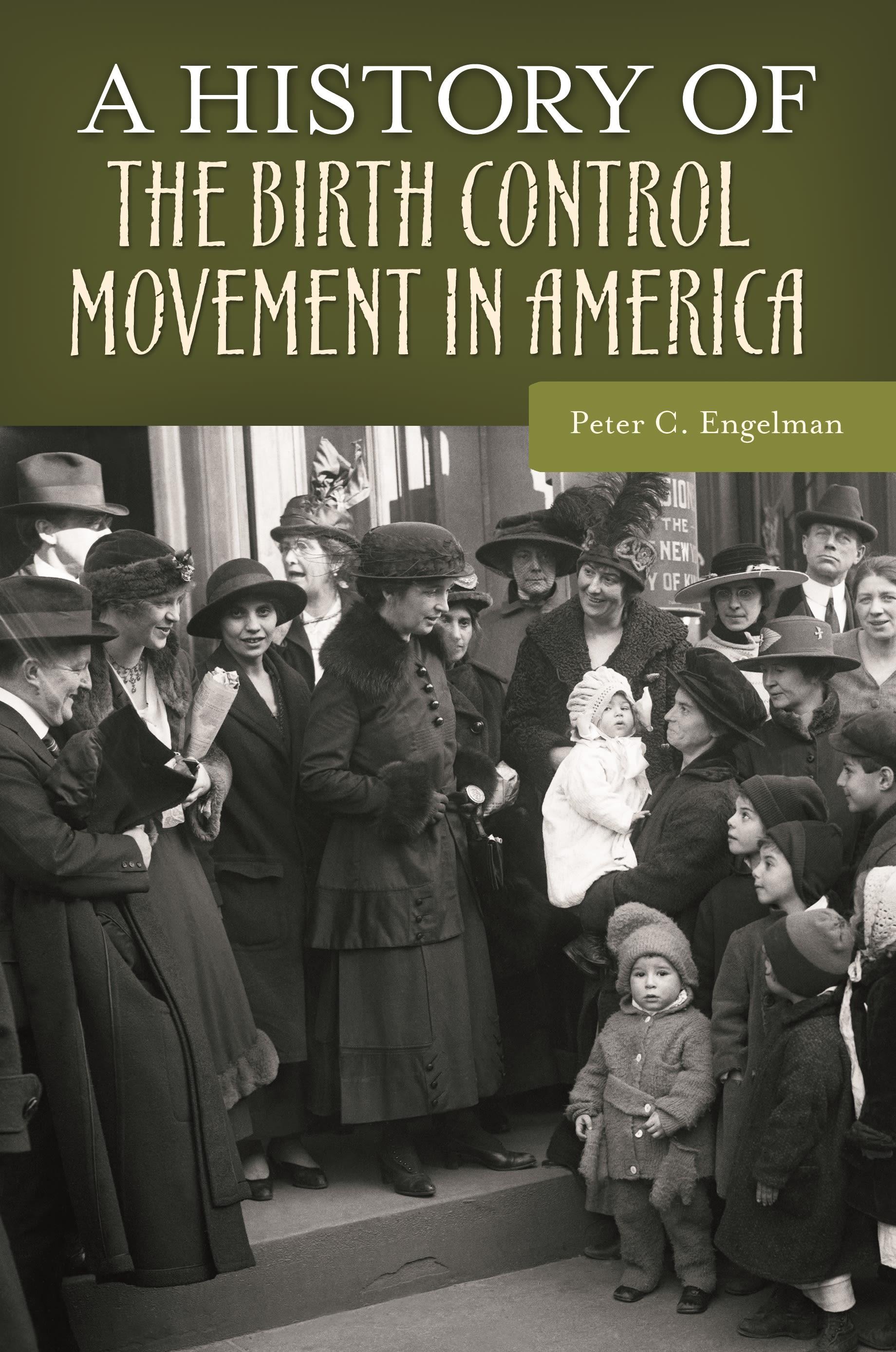
This narrative history of one of the most far-reaching social movements in the 20th century shows how it defied the law and made the use of contraception an acceptable social practice—and a necessary component of modern healthcare.
A History of the Birth Control Movement in America tells the extraordinary story of a group of reformers dedicated to making contraception legal, accessible, and acceptable. The engrossing tale details how Margaret Sanger's campaign beginning in 1914 to challenge anti-obscenity laws criminalizing the distribution of contraceptive information grew into one of the most far-reaching social reform movements in American history.
The book opens with a discussion of the history of birth control methods and the criminalization of contraception and abortion in the 19th century. Its core, however, is an exciting narrative of the campaign in the 20th century, vividly recalling the arrests and indictments, banned publications, imprisonments, confiscations, clinic raids, mass meetings, and courtroom dramas that publicized the cause across the nation. Attention is paid to the movement's thorny alliances with medicine and eugenics and especially to its success in precipitating a profound shift in sexual attitudes that turned the use of contraception into an acceptable social and medical practice. Finally, the birth control movement is linked to court-won privacy protections and the present-day movement for reproductive rights.
A History of the Birth Control Movement in America tells the extraordinary story of a group of reformers dedicated to making contraception legal, accessible, and acceptable. The engrossing tale details how Margaret Sanger's campaign beginning in 1914 to challenge anti-obscenity laws criminalizing the distribution of contraceptive information grew into one of the most far-reaching social reform movements in American history.
The book opens with a discussion of the history of birth control methods and the criminalization of contraception and abortion in the 19th century. Its core, however, is an exciting narrative of the campaign in the 20th century, vividly recalling the arrests and indictments, banned publications, imprisonments, confiscations, clinic raids, mass meetings, and courtroom dramas that publicized the cause across the nation. Attention is paid to the movement's thorny alliances with medicine and eugenics and especially to its success in precipitating a profound shift in sexual attitudes that turned the use of contraception into an acceptable social and medical practice. Finally, the birth control movement is linked to court-won privacy protections and the present-day movement for reproductive rights.
Pay easily by card, Klarna, Apple Pay or Google Pay. Not happy? You always have a 14-day money-back guarantee. Read more in our terms. If you have any questions, email us at hello@memmo.org.
Memmo makes studying easier – wherever you are in the world. We bring your course books and smart study tools together in one place: summaries, quizzes, podcasts and flashcards. Plus Ted, your study buddy who answers anything you wonder. Over 50,000 students already study here – built to help you learn faster and stress less.