
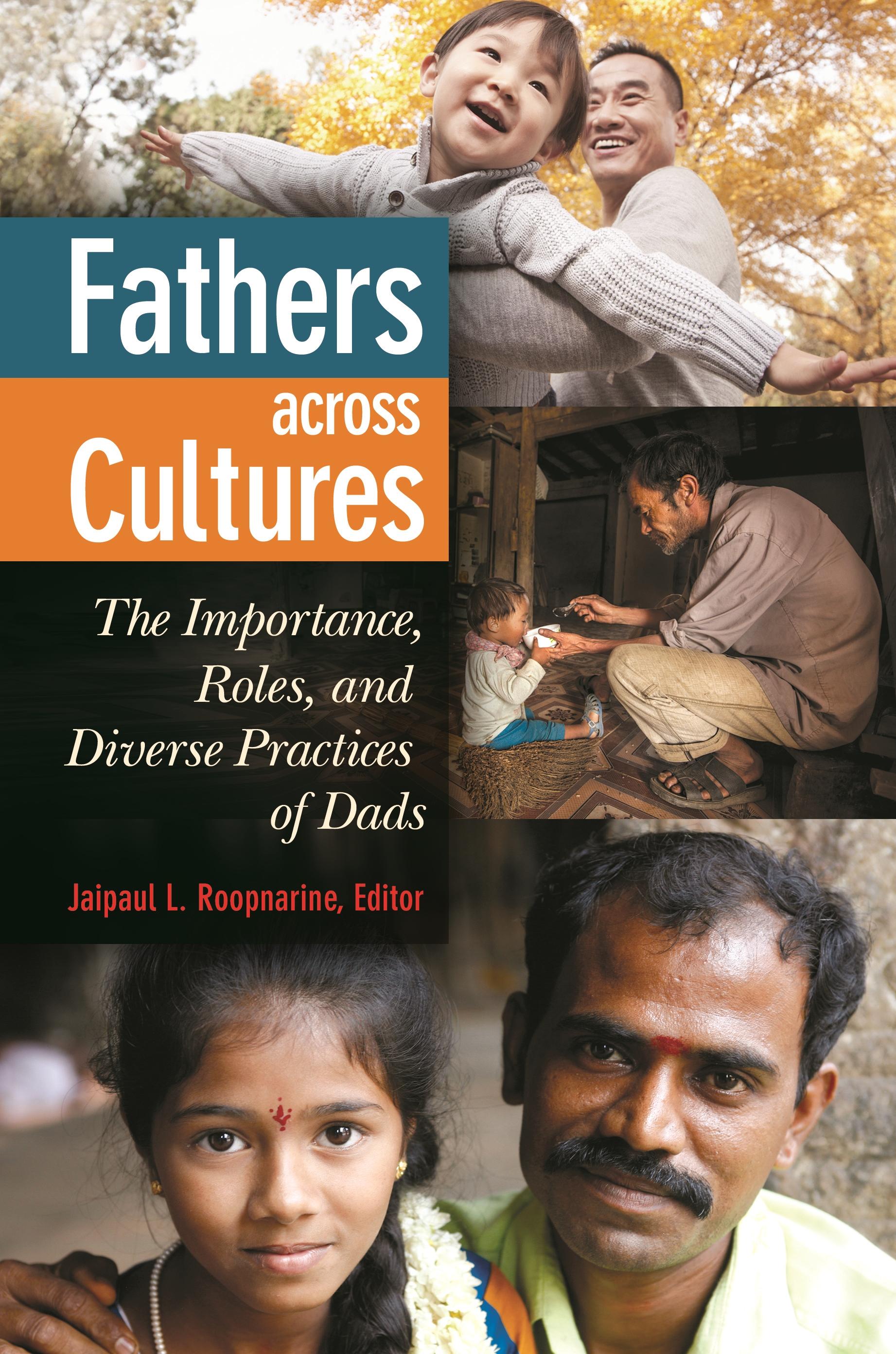
This volume offers a comprehensive, up-to-date synopsis of fathering and father-child relationships in diverse regions of the world, helping students and practitioners alike understand cultural variations in male parenting.
Interest in the role of the father and his influence on children's development and economic well-being has grown considerably. This edited volume uses detailed accounts to provide culturally situated analysis of fathering in cultures around the world. The book's contributors, a multidisciplinary group of scholars, bring together the most recent theoretical thinking and research findings on fatherhood and fathering in cultural communities across developed, recently developed, and developing societies. They address such issues as fathering and gender equality in caregiving, concepts of masculinity in contemporary societies, fathering in various ethnic groups, immigrant fathers, fathering and childhood outcomes, and social policies as they affect and are affected by issues related to fathering.
Organized geographically, the book scrutinizes major sociocultural, demographic, economic, and other factors that influence men's relationships within families. It shows how economic conditions impact men's involvement with children and considers the effects of ideological belief systems and views of spousal/partner roles and responsibilities. The analysis is underpinned by recent data that underscores the significance of fathers' involvement with and investment in the well-being of their children.
Interest in the role of the father and his influence on children's development and economic well-being has grown considerably. This edited volume uses detailed accounts to provide culturally situated analysis of fathering in cultures around the world. The book's contributors, a multidisciplinary group of scholars, bring together the most recent theoretical thinking and research findings on fatherhood and fathering in cultural communities across developed, recently developed, and developing societies. They address such issues as fathering and gender equality in caregiving, concepts of masculinity in contemporary societies, fathering in various ethnic groups, immigrant fathers, fathering and childhood outcomes, and social policies as they affect and are affected by issues related to fathering.
Organized geographically, the book scrutinizes major sociocultural, demographic, economic, and other factors that influence men's relationships within families. It shows how economic conditions impact men's involvement with children and considers the effects of ideological belief systems and views of spousal/partner roles and responsibilities. The analysis is underpinned by recent data that underscores the significance of fathers' involvement with and investment in the well-being of their children.
Pages: 472
Category: Familj, Relationer & Föräldraskap
e-ISBN: 9798216083535
Shipping weight: 1.2 kg
Ships in: 1-2 days
Pay easily by card, Klarna, Apple Pay or Google Pay. Not happy? You always have a 14-day money-back guarantee. Read more in our terms. If you have any questions, email us at hello@memmo.org.
Memmo makes studying easier – wherever you are in the world. We bring your course books and smart study tools together in one place: summaries, quizzes, podcasts and flashcards. Plus Ted, your study buddy who answers anything you wonder. Over 50,000 students already study here – built to help you learn faster and stress less.