
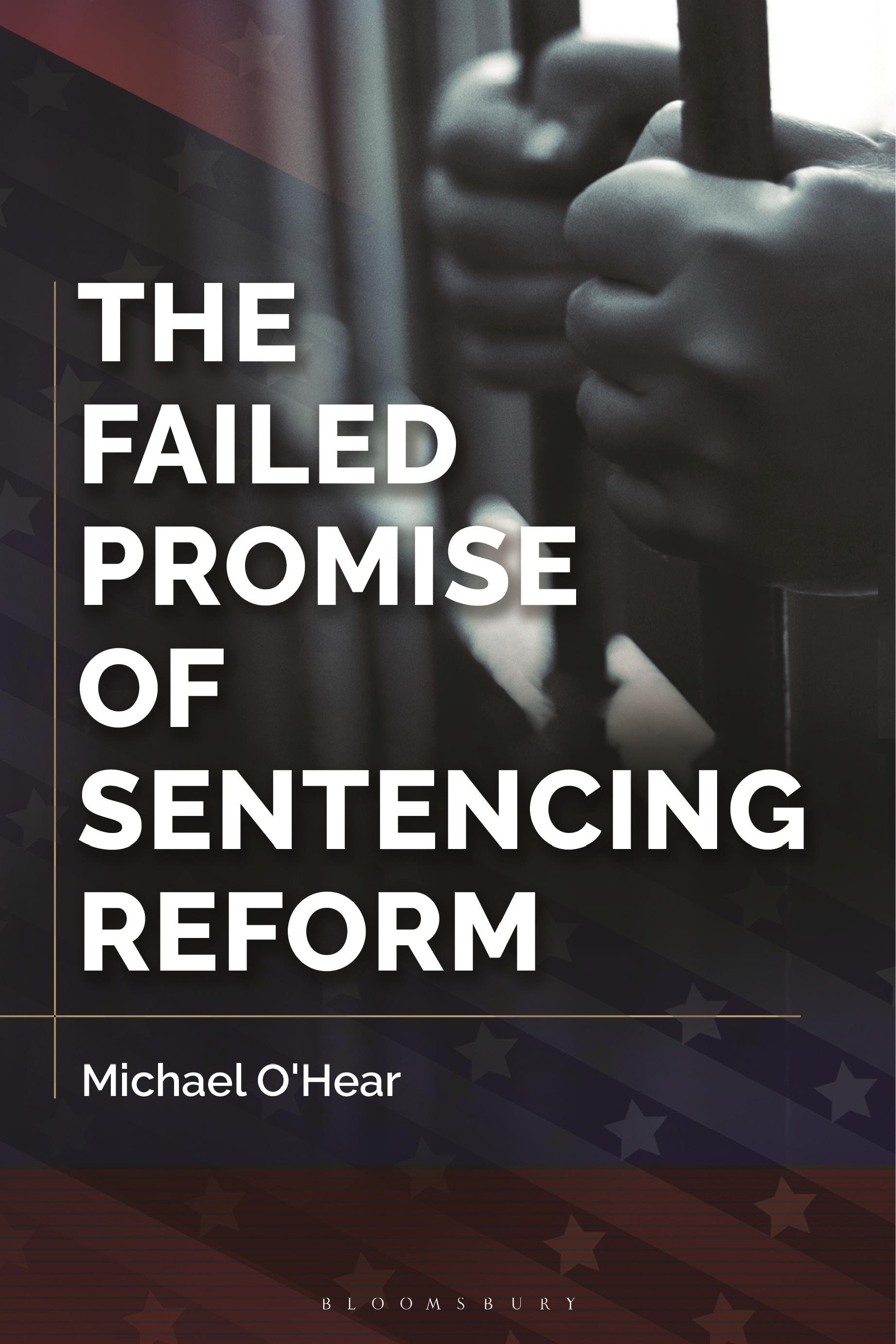
Despite 15 years of reform efforts, the incarceration rate in the United States remains unprecedentedly high. This book provides the first comprehensive survey of these reforms and explains why they have proven to be ineffective.
After many decades of stability, the imprisonment rate in the United States quintupled between 1973 and 2003. Since then, nearly all states have adopted multiple reforms intended to reduce imprisonment, but the U.S. imprisonment rate has only decreased by a paltry 2 percent. Why have American sentencing reforms since 2000 been largely ineffective? Are tough mandatory minimum sentences for nonviolent drug offenders the primary reason our prisons are always full? This book offers a fascinating assessment of the wave of sentencing reforms adopted by dozens of states as well as changes at the federal level since 2000, identifying common themes among seemingly disparate changes in sentencing policy and highlighting recent reform efforts that have been more successful and may point the way forward for the nation as a whole.
In The Failed Promise of Sentencing Reform, Michael O'Hear exposes the myths that American prison sentencing reforms enacted in the 21st century have failed to have the expected effect because U.S. prisons are filled to capacity with nonviolent drug offenders as a result of the "war on drugs" or because of new laws that took away the discretion of judges and corrections officials. O'Hear then makes a convincing case for the real reasons sentencing reforms have come up short: because they exclude violent and sexual offenders, and because they rely on the discretion of officials who still have every incentive to be highly risk-averse. He also highlights how overlooking the well-being of offenders and their families in our consideration of sentencing reform has undermined efforts to effect real change.
After many decades of stability, the imprisonment rate in the United States quintupled between 1973 and 2003. Since then, nearly all states have adopted multiple reforms intended to reduce imprisonment, but the U.S. imprisonment rate has only decreased by a paltry 2 percent. Why have American sentencing reforms since 2000 been largely ineffective? Are tough mandatory minimum sentences for nonviolent drug offenders the primary reason our prisons are always full? This book offers a fascinating assessment of the wave of sentencing reforms adopted by dozens of states as well as changes at the federal level since 2000, identifying common themes among seemingly disparate changes in sentencing policy and highlighting recent reform efforts that have been more successful and may point the way forward for the nation as a whole.
In The Failed Promise of Sentencing Reform, Michael O'Hear exposes the myths that American prison sentencing reforms enacted in the 21st century have failed to have the expected effect because U.S. prisons are filled to capacity with nonviolent drug offenders as a result of the "war on drugs" or because of new laws that took away the discretion of judges and corrections officials. O'Hear then makes a convincing case for the real reasons sentencing reforms have come up short: because they exclude violent and sexual offenders, and because they rely on the discretion of officials who still have every incentive to be highly risk-averse. He also highlights how overlooking the well-being of offenders and their families in our consideration of sentencing reform has undermined efforts to effect real change.
Pay easily by card, Klarna, Apple Pay or Google Pay. Not happy? You always have a 14-day money-back guarantee. Read more in our terms. If you have any questions, email us at hello@memmo.org.
Memmo makes studying easier – wherever you are in the world. We bring your course books and smart study tools together in one place: summaries, quizzes, podcasts and flashcards. Plus Ted, your study buddy who answers anything you wonder. Over 50,000 students already study here – built to help you learn faster and stress less.