
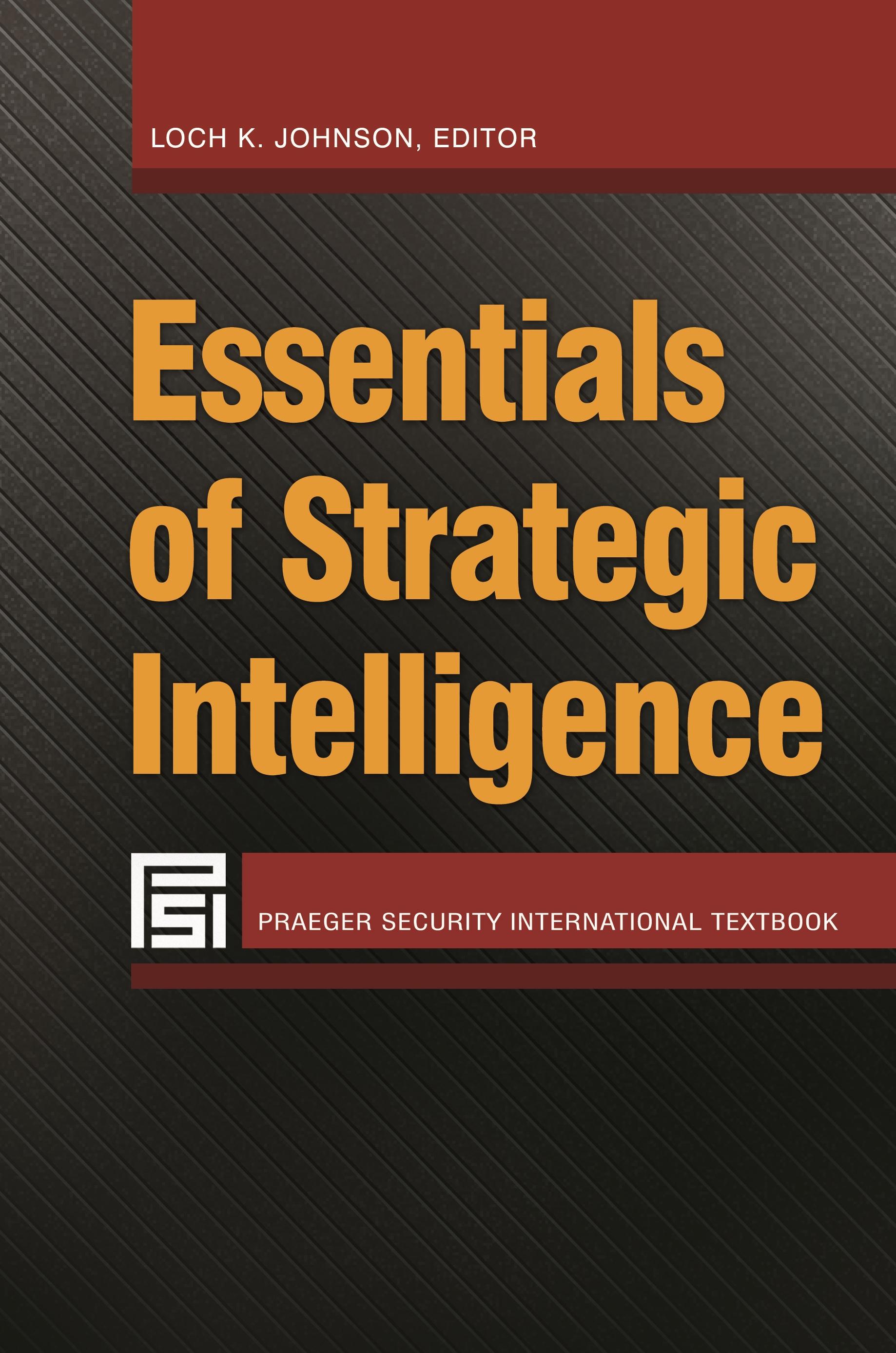
A highly valuable resource for students of intelligence studies, strategy and security, and foreign policy, this volume provides readers with an accessible and comprehensive exploration of U.S. espionage activities that addresses both the practical and ethical implications that attend the art and science of spying.
Essentials of Strategic Intelligence investigates a subject unknown to or misunderstood by most American citizens: how U.S. foreign and security policy is derived from the information collection operations and data analysis by the sixteen major U.S. intelligence agencies. The essays in this work draw back the curtain on the hidden side of America's government, explaining the roles of various intelligence missions, justifying the existence of U.S. intelligence agencies, and addressing the complex moral questions that arise in the conduct of secret operations.
After an introductory overview, the book presents accessibly written essays on the key topics: intelligence collection-and-analysis, counterintelligence, covert action, and intelligence accountability. Readers will understand how intelligence directly informs policymakers and why democracies need secret agencies; learn how the CIA has become deeply involved in the war-like assassination operations that target suspected foreign terrorists, even some individuals who are American citizens; and appreciate how the existence of—and our reliance on—these intelligence agencies poses challenges for democratic governance.
Essentials of Strategic Intelligence investigates a subject unknown to or misunderstood by most American citizens: how U.S. foreign and security policy is derived from the information collection operations and data analysis by the sixteen major U.S. intelligence agencies. The essays in this work draw back the curtain on the hidden side of America's government, explaining the roles of various intelligence missions, justifying the existence of U.S. intelligence agencies, and addressing the complex moral questions that arise in the conduct of secret operations.
After an introductory overview, the book presents accessibly written essays on the key topics: intelligence collection-and-analysis, counterintelligence, covert action, and intelligence accountability. Readers will understand how intelligence directly informs policymakers and why democracies need secret agencies; learn how the CIA has become deeply involved in the war-like assassination operations that target suspected foreign terrorists, even some individuals who are American citizens; and appreciate how the existence of—and our reliance on—these intelligence agencies poses challenges for democratic governance.
Pages: 520
Category: Statsvetenskap & Politik
e-ISBN: 9798216081005
Shipping weight: 1.2 kg
Ships in: 1-2 days
Pay easily by card, Klarna, Apple Pay or Google Pay. Not happy? You always have a 14-day money-back guarantee. Read more in our terms. If you have any questions, email us at hello@memmo.org.
Memmo makes studying easier – wherever you are in the world. We bring your course books and smart study tools together in one place: summaries, quizzes, podcasts and flashcards. Plus Ted, your study buddy who answers anything you wonder. Over 50,000 students already study here – built to help you learn faster and stress less.