
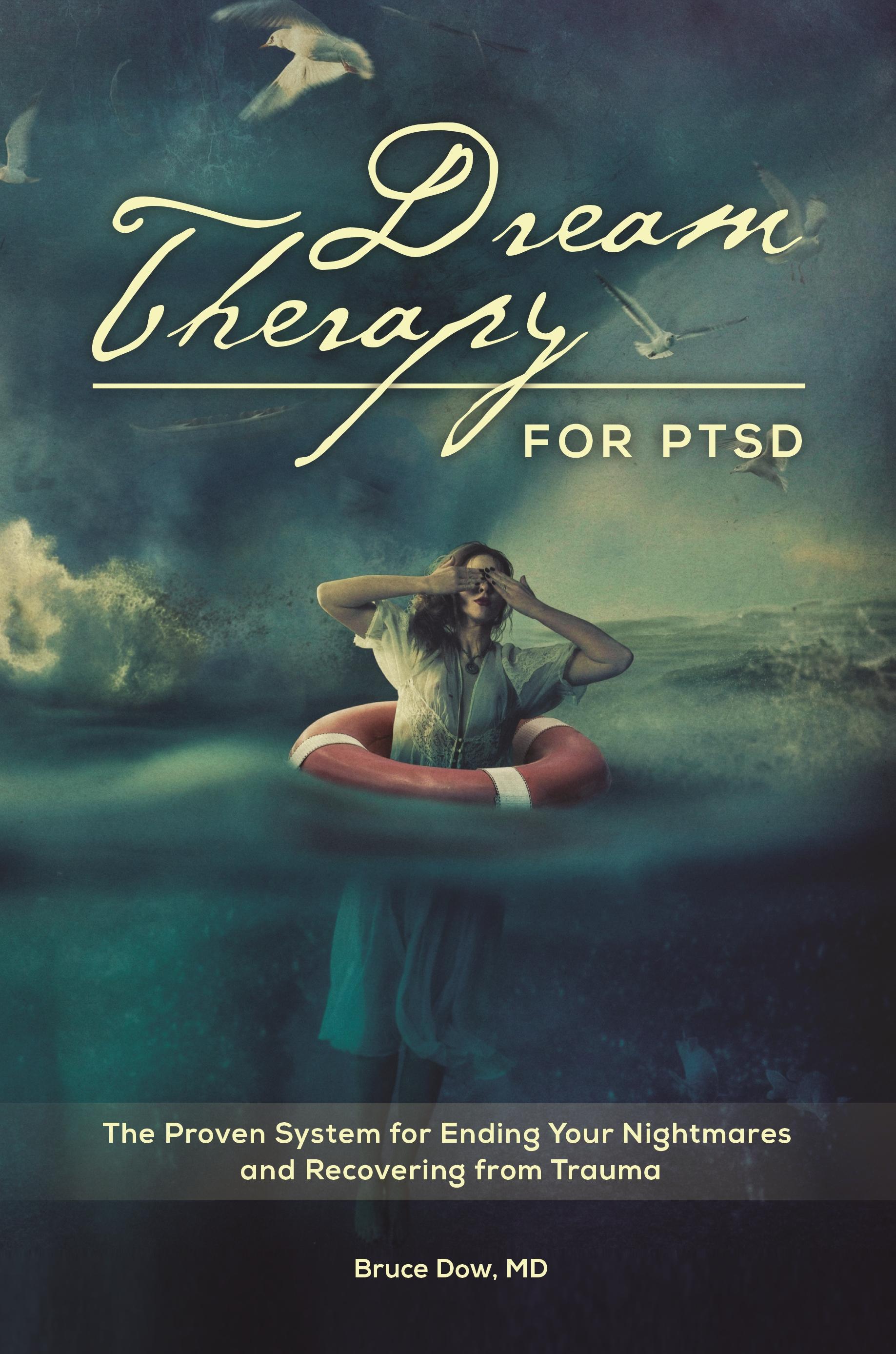
In this series of clinical vignettes, a board-certified psychiatrist and life fellow of the American Psychiatric Association illustrates the effectiveness of dream therapy in treating posttraumatic stress disorder (PTSD).
Posttraumatic stress disorder (PTSD) can be disabling and difficult to treat, often leading to depression, suicide, and homicide in extreme cases. In this clinical-based reference, acclaimed psychiatrist and neuroscience researcher, Bruce Dow, provides a step-by-step approach for implementing dream revision therapy—a treatment proven to eliminate nightmares, flashbacks, anxiety, and other debilitating effects of PTSD. Drawing from work with patients in both military and civilian settings, Dow shows how to utilize imagery rehearsal exercises to help mitigate the effects of the illness.
The vast majority of the book's 11 chapters focus on clinical case studies of patients who have suffered under the effects of the disease—for example, a hotel employee who witnesses a gory suicide; a female police officer whose career-ending crash in her patrol car brings back traumatic memories from childhood; and Vietnam combat veterans with recurrent posttraumatic nightmares. Each vignette offers details of the dream revision method along with clinical tips for ensuring its success. The final chapter features descriptions of brain mechanisms of PTSD and dream revision.
Posttraumatic stress disorder (PTSD) can be disabling and difficult to treat, often leading to depression, suicide, and homicide in extreme cases. In this clinical-based reference, acclaimed psychiatrist and neuroscience researcher, Bruce Dow, provides a step-by-step approach for implementing dream revision therapy—a treatment proven to eliminate nightmares, flashbacks, anxiety, and other debilitating effects of PTSD. Drawing from work with patients in both military and civilian settings, Dow shows how to utilize imagery rehearsal exercises to help mitigate the effects of the illness.
The vast majority of the book's 11 chapters focus on clinical case studies of patients who have suffered under the effects of the disease—for example, a hotel employee who witnesses a gory suicide; a female police officer whose career-ending crash in her patrol car brings back traumatic memories from childhood; and Vietnam combat veterans with recurrent posttraumatic nightmares. Each vignette offers details of the dream revision method along with clinical tips for ensuring its success. The final chapter features descriptions of brain mechanisms of PTSD and dream revision.
Pay easily by card, Klarna, Apple Pay or Google Pay. Not happy? You always have a 14-day money-back guarantee. Read more in our terms. If you have any questions, email us at hello@memmo.org.
Memmo makes studying easier – wherever you are in the world. We bring your course books and smart study tools together in one place: summaries, quizzes, podcasts and flashcards. Plus Ted, your study buddy who answers anything you wonder. Over 50,000 students already study here – built to help you learn faster and stress less.