
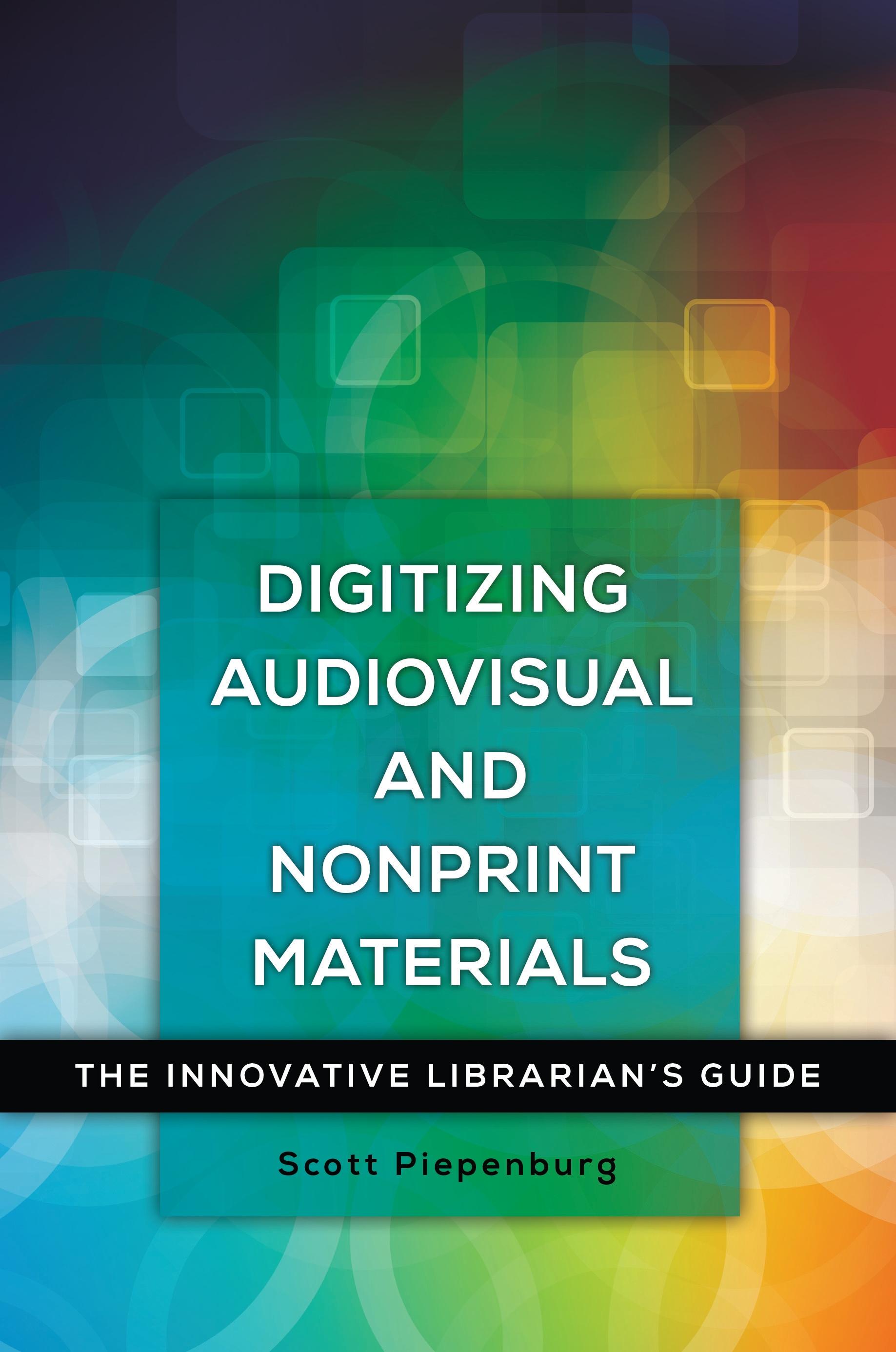
AV collections in libraries are disintegrating, and their playback equipment is soon to be obsolete. Digitizing can be the solution to decay and for continued access.
Why give up on at-risk treasures of your AV collection when you can easily digitize them in house? This guide walks you through the process of planning and implementing digitization projects for the common formats libraries have collected over the last 30 or 40 years. It guides first-time users in setting up a facility to convert analog tapes and records into a digital form, explaining how to clean up those sources to produce a high-quality output for end-users. The same theories and skills are applied to the visual domain so you can convert VHS, Beta, U-Matic, and laserdiscs into archival visual formats.
A unique feature of the book is that it will help you understand the process without having to become a techno-geek. Basic information on computer hardware and software is discussed, including the equipment needed to digitize various formats. Techniques for capturing, editing, storing, and making digitized files available to patrons are also covered. Because budgets are always a concern, the work looks at ways you can leverage current resources and facilities with minimal outlay of capital to start a project, and it offers practical guidance on how to maintain the information long term.
Why give up on at-risk treasures of your AV collection when you can easily digitize them in house? This guide walks you through the process of planning and implementing digitization projects for the common formats libraries have collected over the last 30 or 40 years. It guides first-time users in setting up a facility to convert analog tapes and records into a digital form, explaining how to clean up those sources to produce a high-quality output for end-users. The same theories and skills are applied to the visual domain so you can convert VHS, Beta, U-Matic, and laserdiscs into archival visual formats.
A unique feature of the book is that it will help you understand the process without having to become a techno-geek. Basic information on computer hardware and software is discussed, including the equipment needed to digitize various formats. Techniques for capturing, editing, storing, and making digitized files available to patrons are also covered. Because budgets are always a concern, the work looks at ways you can leverage current resources and facilities with minimal outlay of capital to start a project, and it offers practical guidance on how to maintain the information long term.
Pay easily by card, Klarna, Apple Pay or Google Pay. Not happy? You always have a 14-day money-back guarantee. Read more in our terms. If you have any questions, email us at hello@memmo.org.
Memmo makes studying easier – wherever you are in the world. We bring your course books and smart study tools together in one place: summaries, quizzes, podcasts and flashcards. Plus Ted, your study buddy who answers anything you wonder. Over 50,000 students already study here – built to help you learn faster and stress less.