
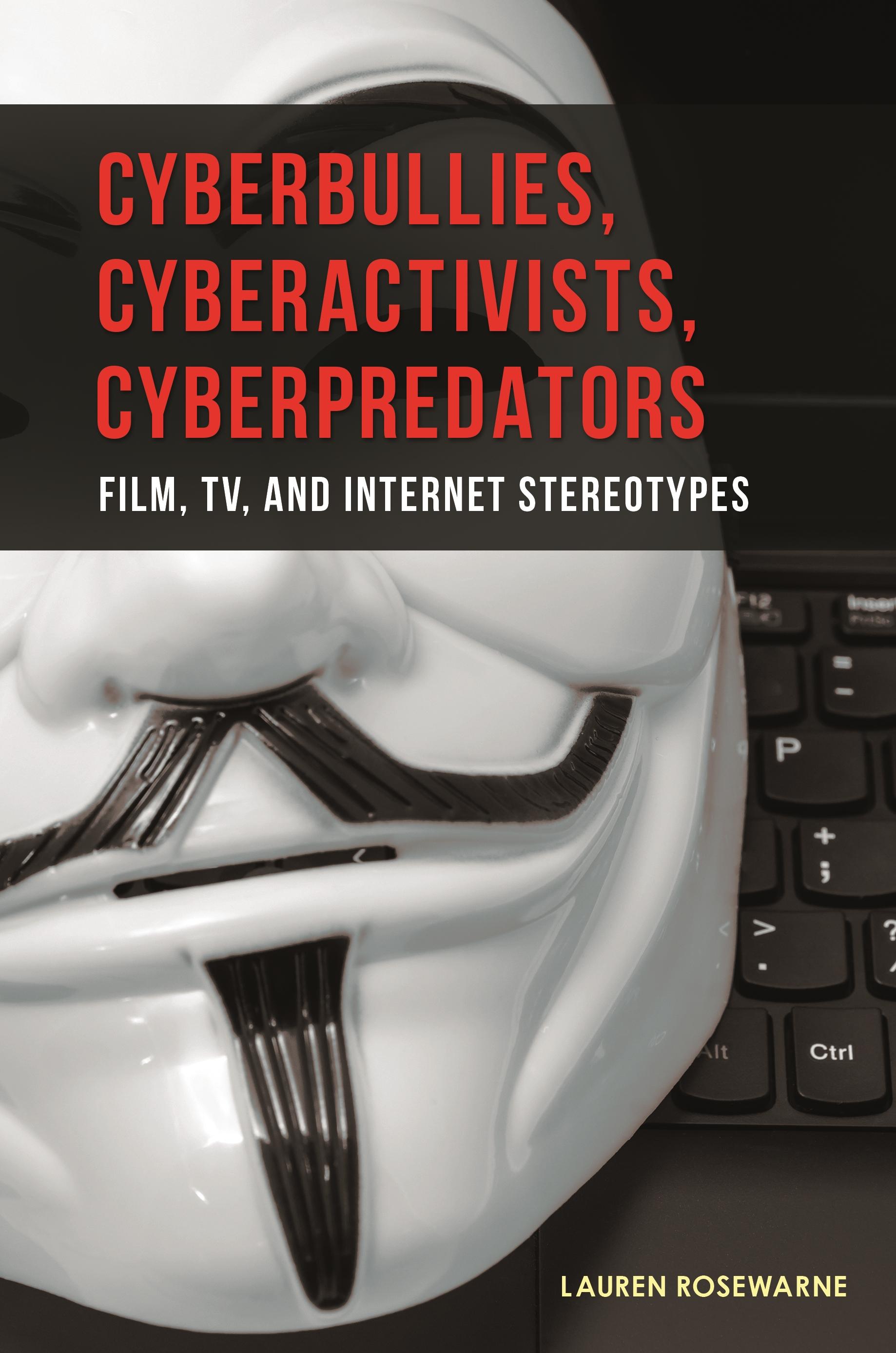
Written by an expert in media, popular culture, gender, and sexuality, this book surveys the common archetypes of Internet users—from geeks, nerds, and gamers to hackers, scammers, and predators—and assesses what these stereotypes reveal about our culture's attitudes regarding gender, technology, intimacy, and identity.
The Internet has enabled an exponentially larger number of people—individuals who are members of numerous and vastly different subgroups—to be exposed to one other. As a result, instead of the simple "jocks versus geeks" paradigm of previous eras, our society now has more detailed stereotypes of the undesirable, the under-the-radar, and the ostracized: cyberpervs, neckbeards, goths, tech nerds, and anyone with a non-heterosexual identity. Each chapter of this book explores a different stereotype of the Internet user, with key themes—such as gender, technophobia, and sexuality—explored with regard to that specific characterization of online users.
Author Lauren Rosewarne, PhD, supplies a highly interdisciplinary perspective that draws on research and theories from a range of fields—psychology, sociology, and communications studies as well as feminist theory, film theory, political science, and philosophy—to analyze what these stereotypes mean in the context of broader social and cultural issues. From cyberbullies to chronically masturbating porn addicts to desperate online-daters, readers will see the paradox in popular culture's message: that while Internet use is universal, actual Internet users are somehow subpar—less desirable, less cool, less friendly—than everybody else.
The Internet has enabled an exponentially larger number of people—individuals who are members of numerous and vastly different subgroups—to be exposed to one other. As a result, instead of the simple "jocks versus geeks" paradigm of previous eras, our society now has more detailed stereotypes of the undesirable, the under-the-radar, and the ostracized: cyberpervs, neckbeards, goths, tech nerds, and anyone with a non-heterosexual identity. Each chapter of this book explores a different stereotype of the Internet user, with key themes—such as gender, technophobia, and sexuality—explored with regard to that specific characterization of online users.
Author Lauren Rosewarne, PhD, supplies a highly interdisciplinary perspective that draws on research and theories from a range of fields—psychology, sociology, and communications studies as well as feminist theory, film theory, political science, and philosophy—to analyze what these stereotypes mean in the context of broader social and cultural issues. From cyberbullies to chronically masturbating porn addicts to desperate online-daters, readers will see the paradox in popular culture's message: that while Internet use is universal, actual Internet users are somehow subpar—less desirable, less cool, less friendly—than everybody else.
Pay easily by card, Klarna, Apple Pay or Google Pay. Not happy? You always have a 14-day money-back guarantee. Read more in our terms. If you have any questions, email us at hello@memmo.org.
Memmo makes studying easier – wherever you are in the world. We bring your course books and smart study tools together in one place: summaries, quizzes, podcasts and flashcards. Plus Ted, your study buddy who answers anything you wonder. Over 50,000 students already study here – built to help you learn faster and stress less.