
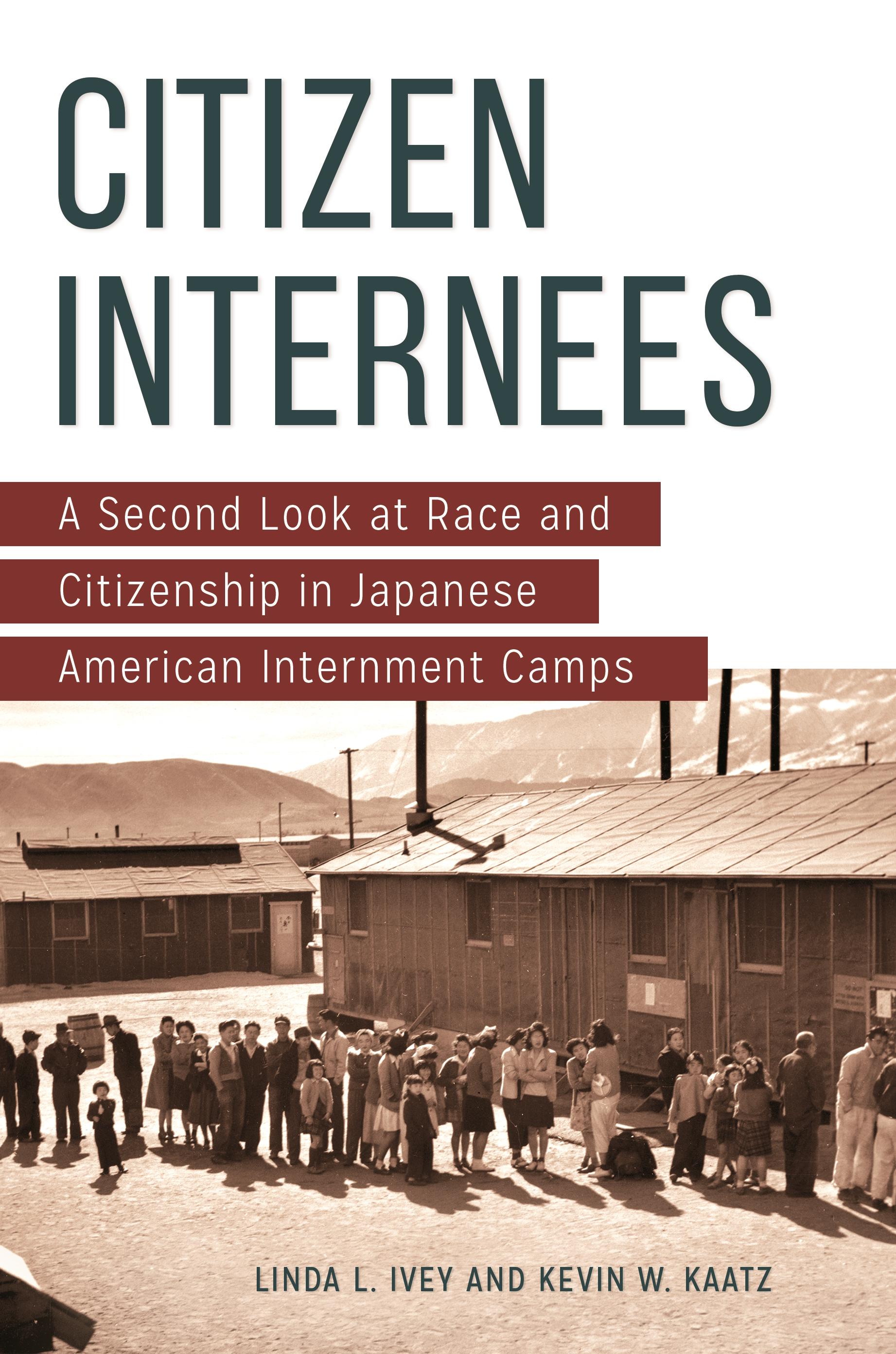
Through a new collection of primary documents about Japanese internment during World War II, this book enables a broader understanding of the injustice experienced by displaced people within the United States in the 20th century.
In the 1940s, Japanese and Japanese American internees of Redwood City, CA, had a dedicated ally: J. Elmer Morrish, a banker who kept their businesses alive, made sure their taxes were paid, and safeguarded their properties until after the end of World War II and the internees were finally released. What were Morrish's motivations for his tireless efforts to help the internees? How did the unjustly incarcerated deal with the loss of freedom in the camps, and how did they envision their future? And how did the internees both cooperate with the U.S. government and attempt to resist victimization?
Citizen Internees: A Second Look at Race and Citizenship in Japanese American Internment Camps is an edited selection from a collection of more than 2,000 pieces of correspondence—some of which is previously unpublished—regarding the internment of Japanese and Japanese Americans from Redwood City, CA. These primary source documents reveal the experiences and emotions of a group of imprisoned people attempting to run the necessary day-to-day tasks of the lives they were forced to leave behind—as property owners, taxpayers, and proprietors. Through these letters about practical matters, readers can gain insight into the internees' changing family relations, their financial concerns, and their struggles in making decisions about an uncertain future. The book also includes essays that supply background information, analysis of the documents' contents and meaning, and historical context.
In the 1940s, Japanese and Japanese American internees of Redwood City, CA, had a dedicated ally: J. Elmer Morrish, a banker who kept their businesses alive, made sure their taxes were paid, and safeguarded their properties until after the end of World War II and the internees were finally released. What were Morrish's motivations for his tireless efforts to help the internees? How did the unjustly incarcerated deal with the loss of freedom in the camps, and how did they envision their future? And how did the internees both cooperate with the U.S. government and attempt to resist victimization?
Citizen Internees: A Second Look at Race and Citizenship in Japanese American Internment Camps is an edited selection from a collection of more than 2,000 pieces of correspondence—some of which is previously unpublished—regarding the internment of Japanese and Japanese Americans from Redwood City, CA. These primary source documents reveal the experiences and emotions of a group of imprisoned people attempting to run the necessary day-to-day tasks of the lives they were forced to leave behind—as property owners, taxpayers, and proprietors. Through these letters about practical matters, readers can gain insight into the internees' changing family relations, their financial concerns, and their struggles in making decisions about an uncertain future. The book also includes essays that supply background information, analysis of the documents' contents and meaning, and historical context.
Pay easily by card, Klarna, Apple Pay or Google Pay. Not happy? You always have a 14-day money-back guarantee. Read more in our terms. If you have any questions, email us at hello@memmo.org.
Memmo makes studying easier – wherever you are in the world. We bring your course books and smart study tools together in one place: summaries, quizzes, podcasts and flashcards. Plus Ted, your study buddy who answers anything you wonder. Over 50,000 students already study here – built to help you learn faster and stress less.