
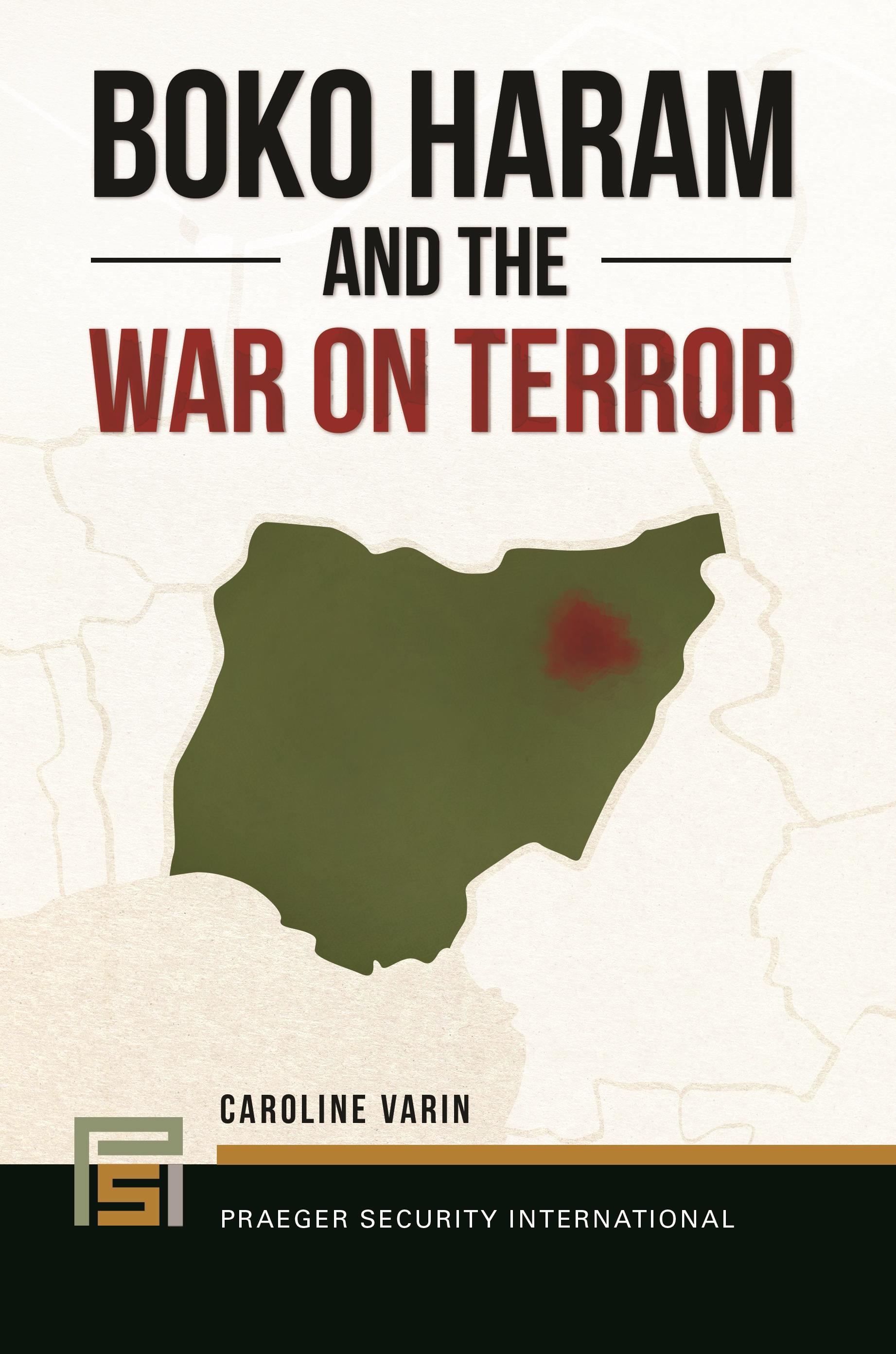
A comprehensive analysis of the rise of Boko Haram from a small religious cult to a major terrorist group, placing them within the context of Nigerian politics and the international War on Terror.
In 2009, Nigerian security forces stormed a religious cult by the name of Boko Haram, killing its leader and thousands of followers. Six years later, Boko Haram is an enemy to reckon with, boasting 15,000 members and taking credit for 20,000 deaths. This book looks at the successful rise of this terrorist group, probing the religious and political environment that enabled a relatively small cult to threaten a nation.
The study draws on the author's fieldwork in Nigeria, where she had access to officials, activists, psychologists, and military personnel. Written in a clear and accessible manner, it offers a micro-to-macro investigation of the Boko Haram as a phenomenon. It also provides readers with an understanding of the regional dynamics that obstructed political and military cooperation among neighboring countries, enabling Boko Haram's success. This book traces the group's religious origins in the early 2000s and documents its violent political claims in Nigeria and across the border in Northern Cameroon, Niger, and Chad. Finally, it examines the impact of the international War on Terror and presents a comparative study of other contemporary terrorism movements and their networks.
In 2009, Nigerian security forces stormed a religious cult by the name of Boko Haram, killing its leader and thousands of followers. Six years later, Boko Haram is an enemy to reckon with, boasting 15,000 members and taking credit for 20,000 deaths. This book looks at the successful rise of this terrorist group, probing the religious and political environment that enabled a relatively small cult to threaten a nation.
The study draws on the author's fieldwork in Nigeria, where she had access to officials, activists, psychologists, and military personnel. Written in a clear and accessible manner, it offers a micro-to-macro investigation of the Boko Haram as a phenomenon. It also provides readers with an understanding of the regional dynamics that obstructed political and military cooperation among neighboring countries, enabling Boko Haram's success. This book traces the group's religious origins in the early 2000s and documents its violent political claims in Nigeria and across the border in Northern Cameroon, Niger, and Chad. Finally, it examines the impact of the international War on Terror and presents a comparative study of other contemporary terrorism movements and their networks.
Pages: 208
Category: Statsvetenskap & Politik
e-ISBN: 9798216055044
Shipping weight: 1.2 kg
Ships in: 1-2 days
Pay easily by card, Klarna, Apple Pay or Google Pay. Not happy? You always have a 14-day money-back guarantee. Read more in our terms. If you have any questions, email us at hello@memmo.org.
Memmo makes studying easier – wherever you are in the world. We bring your course books and smart study tools together in one place: summaries, quizzes, podcasts and flashcards. Plus Ted, your study buddy who answers anything you wonder. Over 50,000 students already study here – built to help you learn faster and stress less.