
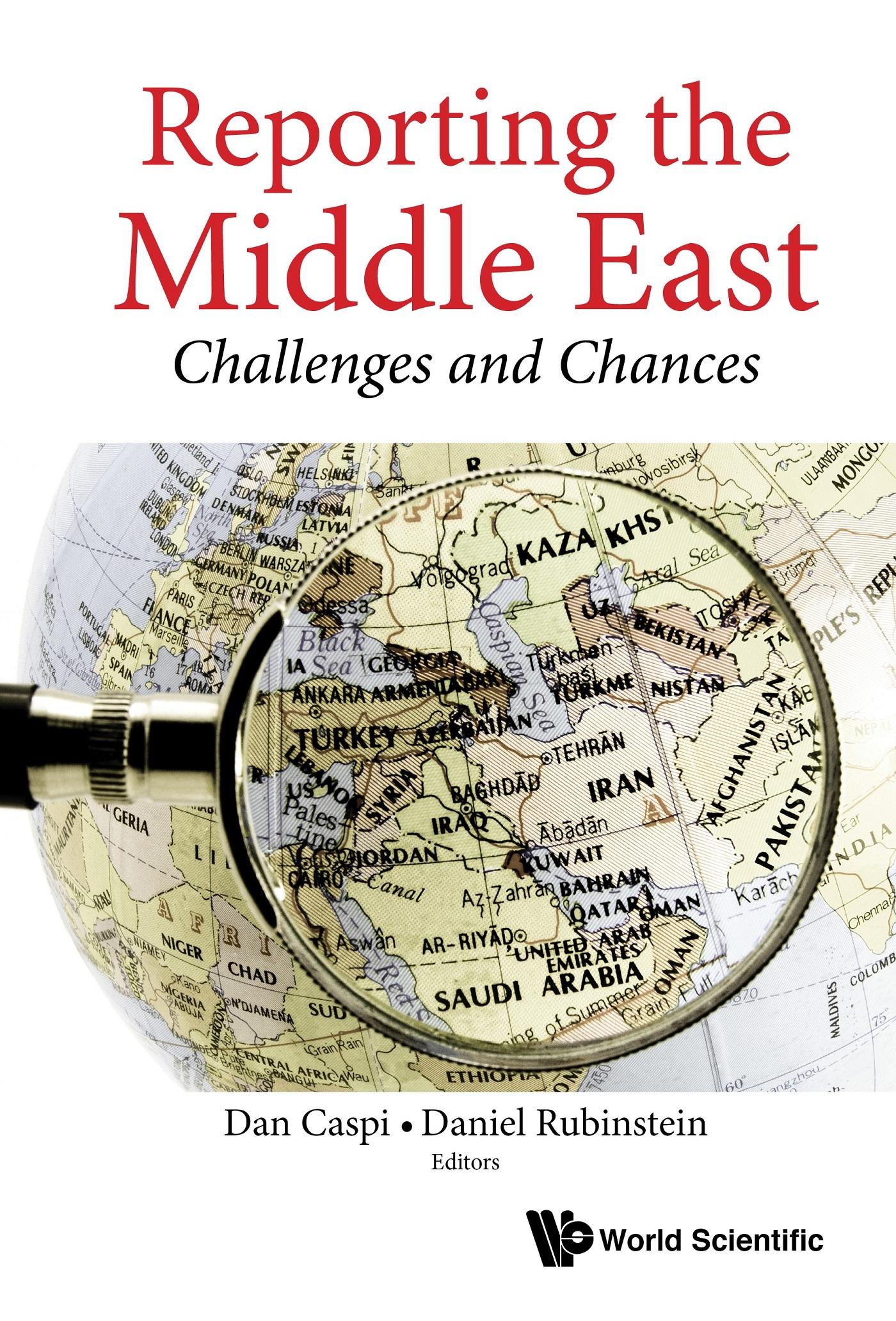
Numerous studies address the flow of information between nations and states — especially in the era of globalization — and its contribution to the development of relations across physical borders. By contrast, little attention has been paid to the circumstances under which parties in conflict initiate and build barriers to free flow of information. The conflict in the Middle East may serve as a test bed of controlled disruption of information flow, as covered in Reporting the Middle East: Challenges and Chances. Two parallel types of confrontations appear to take place in the Middle East: the actual physical conflict, and the 'war of words,' conducted via the media, with each side firing its own verbal missiles. Reporting the Middle East: Challenges and Chances aims to show that the media arena is a key element in understanding the Middle East conflict. Media coverage of Middle Eastern affairs remains critical, if only because of its power in determining sources of information, setting decision makers' agendas, and influencing management of the physical confrontation.
Pay easily by card, Klarna, Apple Pay or Google Pay. Not happy? You always have a 14-day money-back guarantee. Read more in our terms. If you have any questions, email us at hello@memmo.org.
Memmo makes studying easier – wherever you are in the world. We bring your course books and smart study tools together in one place: summaries, quizzes, podcasts and flashcards. Plus Ted, your study buddy who answers anything you wonder. Over 75,000 students already study here – built to help you learn faster and stress less.
You might also like
Buy the book0