
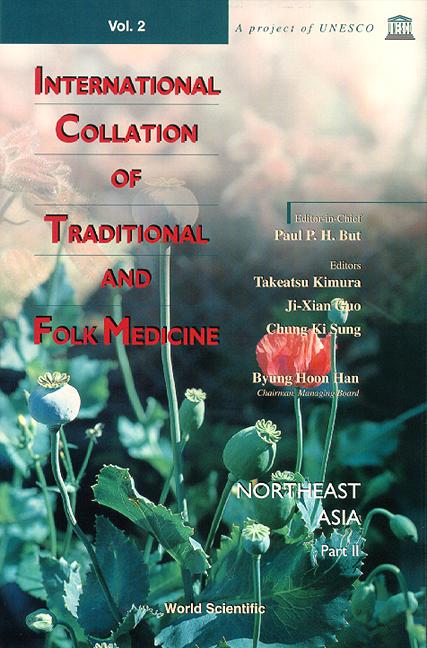
Traditional folk medicine practices in China, Hong Kong, Japan and Korea - all located in Northeast Asia - are comparable. Since different usage of a herbal medicine may reflect cultural or regional differences, a detailed collation of the folk knowledge of traditional medicine can help to identify common applications derived from different empirical knowledge as well as variations in appreciation of the value of the same herb in different cultural settings.This second volume of a series of books continues with the objective of collating relevant information for showing the differences and similarities of traditional folk medicines practiced around the world. It features 200 of the most frequently used medicinal plants in Northeast Asia as selected by the international editorial board.The folk medical knowledge in each entry includes the botanical names of the source plant, local names of the drug, special processing methods, administration methods, and applications in each country. Contraindications and side effects, if any, are highlighted. Relevant scientific data on their chemistry and pharmacology, with references, are also included.All this scientific information should be a valuable asset to medical and research scientists working on the bioactive components of natural products.
Pay easily by card, Klarna, Apple Pay or Google Pay. Not happy? You always have a 14-day money-back guarantee. Read more in our terms. If you have any questions, email us at hello@memmo.org.
Memmo makes studying easier – wherever you are in the world. We bring your course books and smart study tools together in one place: summaries, quizzes, podcasts and flashcards. Plus Ted, your study buddy who answers anything you wonder. Over 75,000 students already study here – built to help you learn faster and stress less.
You might also like
Buy the book0