
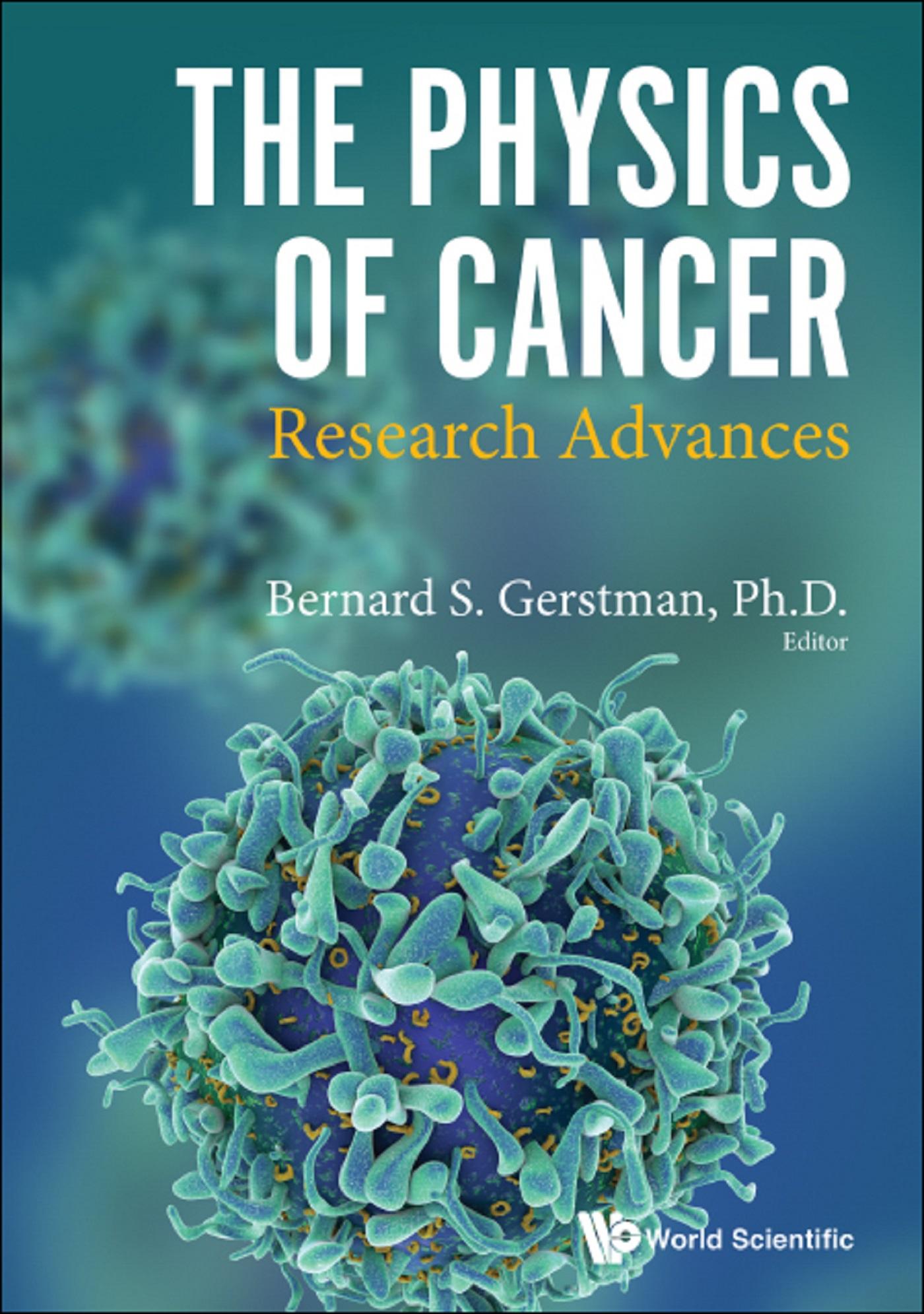
Cancer deaths per capita have decreased in recent years, but the improvement is attributed to prevention, not treatment. The difficulty in treating cancer may be due to its 'complexity', in the mathematical physics sense of the word. Tumors evolve and spread in response to internal and external factors that involve feedback mechanisms and nonlinear behavior. Investigations of the nonlinear interactions among cells, and between cells and their environment, are crucial for developing a sufficiently detailed understanding of the system's emergent phenomenology to be able to control the behavior. In the case of cancer, controlling the system's behavior will mean the ability to treat and cure the disease. Physicists have been studying various complex, nonlinear systems for many years using a variety of techniques. These investigations have provided insights that allow physicists to make unique contributions towards the treatment of cancer.This interdisciplinary book presents recent advancements in physicists' research on cancer. The work presented in this volume uses a variety of physical, biochemical, mathematical, theoretical, and computational techniques to gain a deeper molecular and cellular understanding of the horrific disease that is cancer.
Pay easily by card, Klarna, Apple Pay or Google Pay. Not happy? You always have a 14-day money-back guarantee. Read more in our terms. If you have any questions, email us at hello@memmo.org.
Memmo makes studying easier – wherever you are in the world. We bring your course books and smart study tools together in one place: summaries, quizzes, podcasts and flashcards. Plus Ted, your study buddy who answers anything you wonder. Over 50,000 students already study here – built to help you learn faster and stress less.
You might also like
Buy the book0