
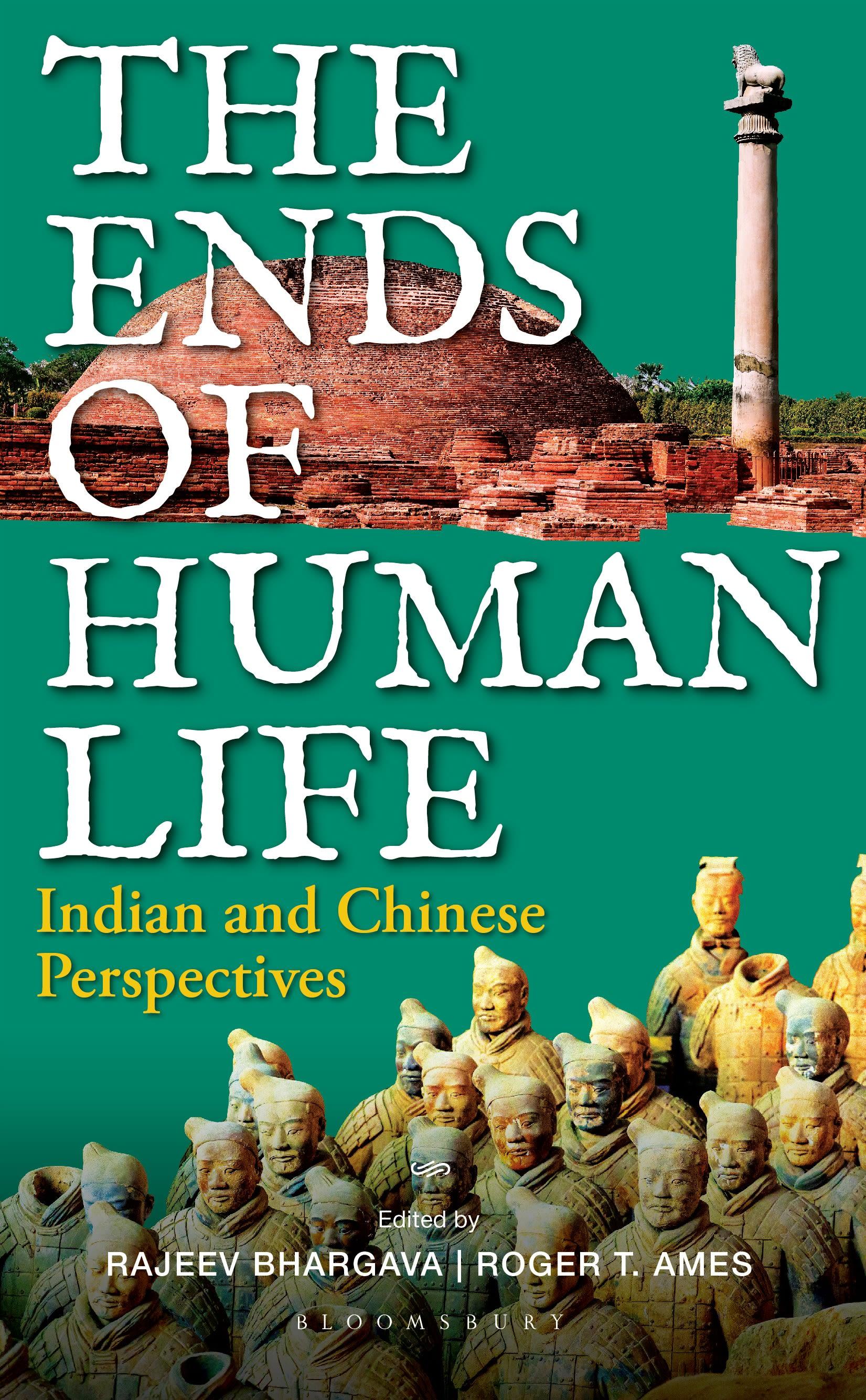
This volume brings into dialogue key texts from early and late Vedic, Early Buddhist, Confucian, and Bhakti traditions, each addressing fundamental questions concerning the aims and conditions of human life. Through a close engagement with these diverse yet philosophically rich traditions, the essays in this collection examine six interrelated questions central to the human quest for meaning, fulfillment, and ethical orientation.
The first concerns the ends of human life: from material prosperity, aesthetic delight, and social recognition to moral rectitude, spiritual devotion, and contemplative knowledge. The volume probes how these ends are articulated, ordered, and interpreted within and across traditions. Are these ends discrete or interdependent? Can they coexist harmoniously, or are they marked by tension and hierarchy-perhaps culminating in a single, highest good?
A third area of inquiry relates to the practices and modes of life required to realize these ends-what virtues must be cultivated, and which vices eschewed? Fourth, the volume interrogates whether these ends are universally accessible or specific to particular social groups or stages of life. Fifth, it explores the implications of dependence, freedom, and social structure in the pursuit of these goods. Lastly, the volume considers the institutional and political arrangements best suited to enable or constrain the realization of diverse life ideals.
By drawing connections between classical sources and contemporary concerns, this interdisciplinary collection offers both a historically grounded and philosophically nuanced contribution to ongoing reflections on the good life.
The first concerns the ends of human life: from material prosperity, aesthetic delight, and social recognition to moral rectitude, spiritual devotion, and contemplative knowledge. The volume probes how these ends are articulated, ordered, and interpreted within and across traditions. Are these ends discrete or interdependent? Can they coexist harmoniously, or are they marked by tension and hierarchy-perhaps culminating in a single, highest good?
A third area of inquiry relates to the practices and modes of life required to realize these ends-what virtues must be cultivated, and which vices eschewed? Fourth, the volume interrogates whether these ends are universally accessible or specific to particular social groups or stages of life. Fifth, it explores the implications of dependence, freedom, and social structure in the pursuit of these goods. Lastly, the volume considers the institutional and political arrangements best suited to enable or constrain the realization of diverse life ideals.
By drawing connections between classical sources and contemporary concerns, this interdisciplinary collection offers both a historically grounded and philosophically nuanced contribution to ongoing reflections on the good life.
Pay easily by card, Klarna, Apple Pay or Google Pay. Not happy? You always have a 14-day money-back guarantee. Read more in our terms. If you have any questions, email us at hello@memmo.org.
Memmo makes studying easier – wherever you are in the world. We bring your course books and smart study tools together in one place: summaries, quizzes, podcasts and flashcards. Plus Ted, your study buddy who answers anything you wonder. Over 50,000 students already study here – built to help you learn faster and stress less.