
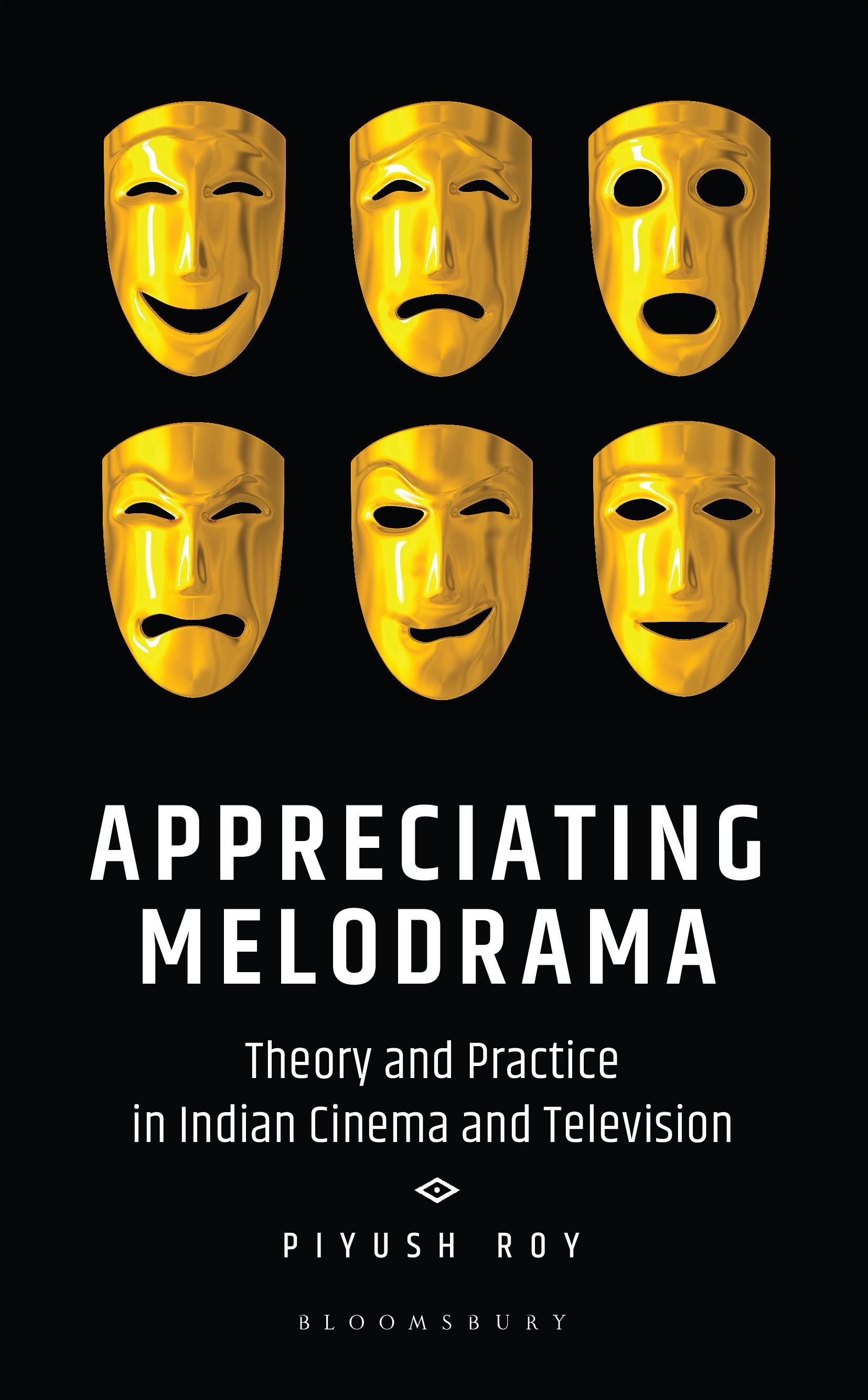
Appreciating Melodrama: Theory and Practice in Indian Cinema and Television seeks to identify and appreciate the continual influence of the ancient Sanskrit drama treatise, the Natyashastra, and its theory of aesthetics, the rasa theory, on the unique narrative attributes of Indian cinema.
This volume of work critically engages with a representative sample of landmark films from 100 years of Indian film history across genres, categories, regions and languages. This is the first time a case study-based rigorous academic review of popular Indian cinema is done using the Indian aesthetic appreciation theory of rasa (affect/emotion). It proposes a theoretical model for film appreciation, especially for content made in the melodramatic genre, and challenges existing First World/Euro-American film criticism canons and notions that privilege cinematic 'realism' over other narrative forms, which will generate passionate debates for and against its propositions in future studies and research on films.
This is a valuable academic reference book for students of film and theatre, world cinema and Indian cinema studies, South Asian studies and culture, Indology and the 'Sociology of Cinema' studies. It is a must-have reference text in the curriculum of both practical-oriented acting schools, as well as courses and modules focusing on a theoretical study of cinema, such as film criticism and appreciation, and the history of movies and performance studies.
This volume of work critically engages with a representative sample of landmark films from 100 years of Indian film history across genres, categories, regions and languages. This is the first time a case study-based rigorous academic review of popular Indian cinema is done using the Indian aesthetic appreciation theory of rasa (affect/emotion). It proposes a theoretical model for film appreciation, especially for content made in the melodramatic genre, and challenges existing First World/Euro-American film criticism canons and notions that privilege cinematic 'realism' over other narrative forms, which will generate passionate debates for and against its propositions in future studies and research on films.
This is a valuable academic reference book for students of film and theatre, world cinema and Indian cinema studies, South Asian studies and culture, Indology and the 'Sociology of Cinema' studies. It is a must-have reference text in the curriculum of both practical-oriented acting schools, as well as courses and modules focusing on a theoretical study of cinema, such as film criticism and appreciation, and the history of movies and performance studies.
Pay easily by card, Klarna, Apple Pay or Google Pay. Not happy? You always have a 14-day money-back guarantee. Read more in our terms. If you have any questions, email us at hello@memmo.org.
Memmo makes studying easier – wherever you are in the world. We bring your course books and smart study tools together in one place: summaries, quizzes, podcasts and flashcards. Plus Ted, your study buddy who answers anything you wonder. Over 50,000 students already study here – built to help you learn faster and stress less.