
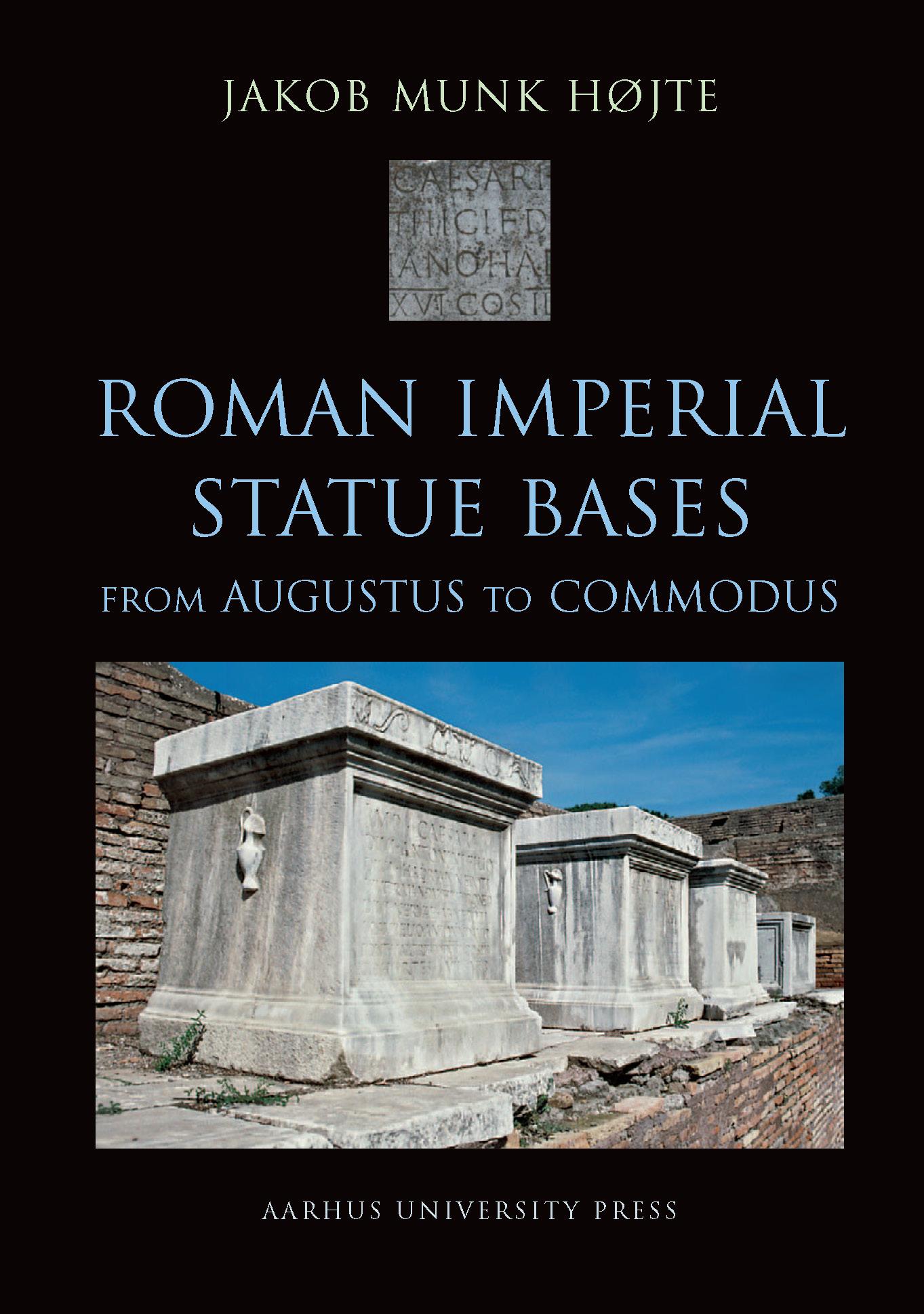
The study of Roman imperial statues has made remarkable strides in the last two decades. Yet the field's understandable focus on extant portraits has made it difficult to generalize accurately. Most notably, bronze was usually the material of choice, but its high scrap value meant that such statues were inevitably melted down, so that almost all surviving statues are of stone. By examining the much larger and more representative body of statue bases, Jakob Munk Hojte is here able to situate the statues themselves in context. This volume includes a catalogue of 2300 known statue bases from more than 800 sites within and without the Roman Empire. Moreover, since it covers a period of 250 years, it allows for the first time consistent geographic, chronological and commemorative patterns to emerge. Hojte finds among other things that imperial portrait statues are connected chiefly with urban centres; that they were raised continuously during a given reign, with a higher concentration a couple years after accession; that a primary purpose was often to advertise a donor's merits; and that they increased sixfold in frequency from Augustus to Hadrian, an increase attributable to community erections. Jakob Munk Hojte is post.doc. and research assistant at the Danish National Research Foundations Centre for Black Sea Studies.
Pay easily by card, Klarna, Apple Pay or Google Pay. Not happy? You always have a 14-day money-back guarantee. Read more in our terms. If you have any questions, email us at hello@memmo.org.
Memmo makes studying easier – wherever you are in the world. We bring your course books and smart study tools together in one place: summaries, quizzes, podcasts and flashcards. Plus Ted, your study buddy who answers anything you wonder. Over 75,000 students already study here – built to help you learn faster and stress less.
You might also like
Buy the book0