
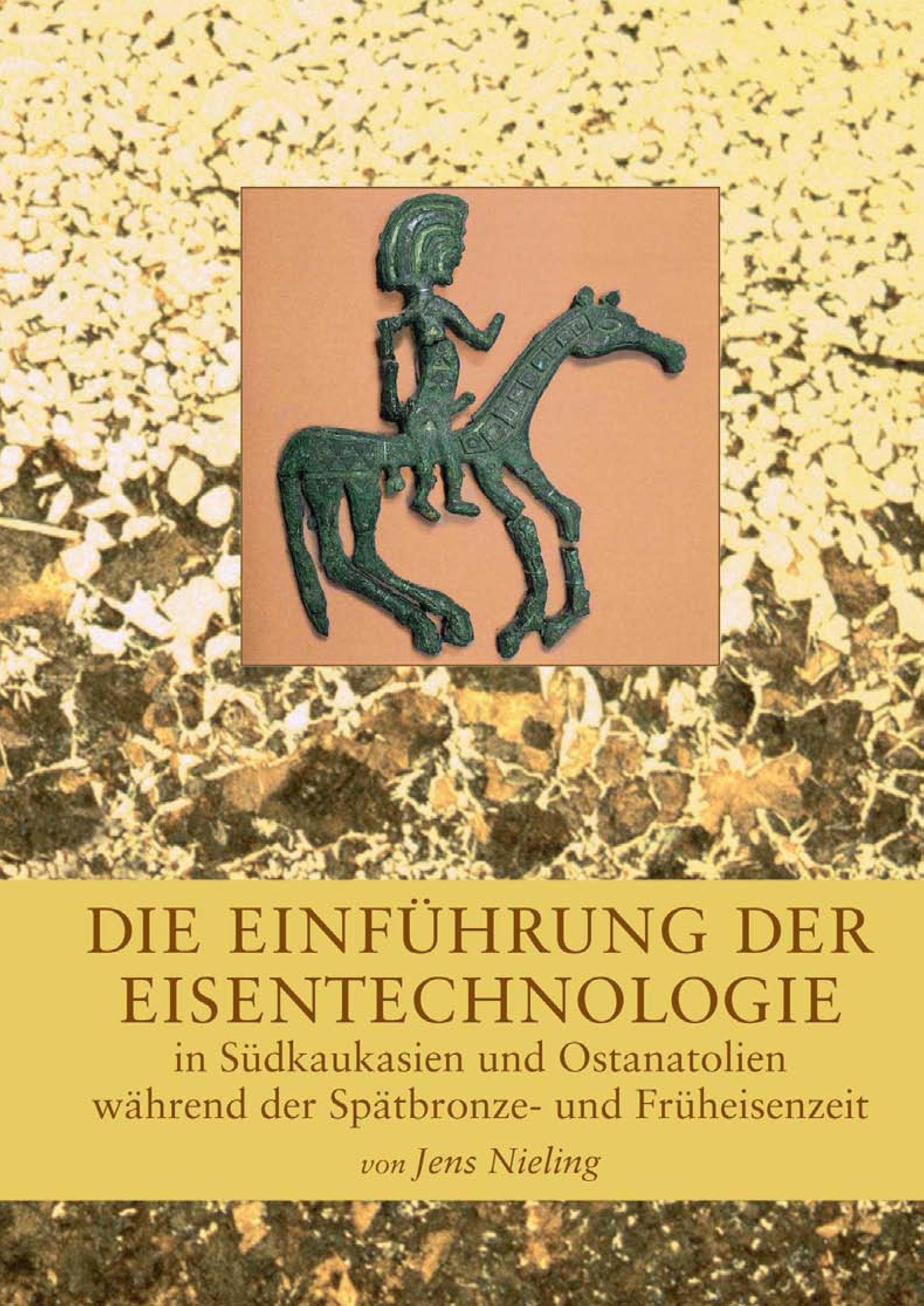
This German doctoral thesis challenges the orthodox view that the South-Caucasian culture of the Late Bronze Age played a decisive role in early iron production. The region is characterized, on the contrary, as a traditionally-bound aristocratic society with an impressive bronze industry. It was instead the underestimated nomad population of South-Eastern Turkey that first made use of the new metal and discovered the art of steel making. Climatic changes forced a southward migration, which not only brought the two cultures into contact, but also into conflict, with each other. However, a process of successful acculturation finally resulted in the creation of the Urartian Empire. While for some time the neighbouring Assyrian and Neohittite states remained hesitant towards the adoption of advanced iron technology, this soon changed when they recognized the opportunity for cheap mass-production. Text in German with English summary.
Pay easily by card, Klarna, Apple Pay or Google Pay. Not happy? You always have a 14-day money-back guarantee. Read more in our terms. If you have any questions, email us at hello@memmo.org.
Memmo makes studying easier – wherever you are in the world. We bring your course books and smart study tools together in one place: summaries, quizzes, podcasts and flashcards. Plus Ted, your study buddy who answers anything you wonder. Over 75,000 students already study here – built to help you learn faster and stress less.
You might also like
Buy the book0