
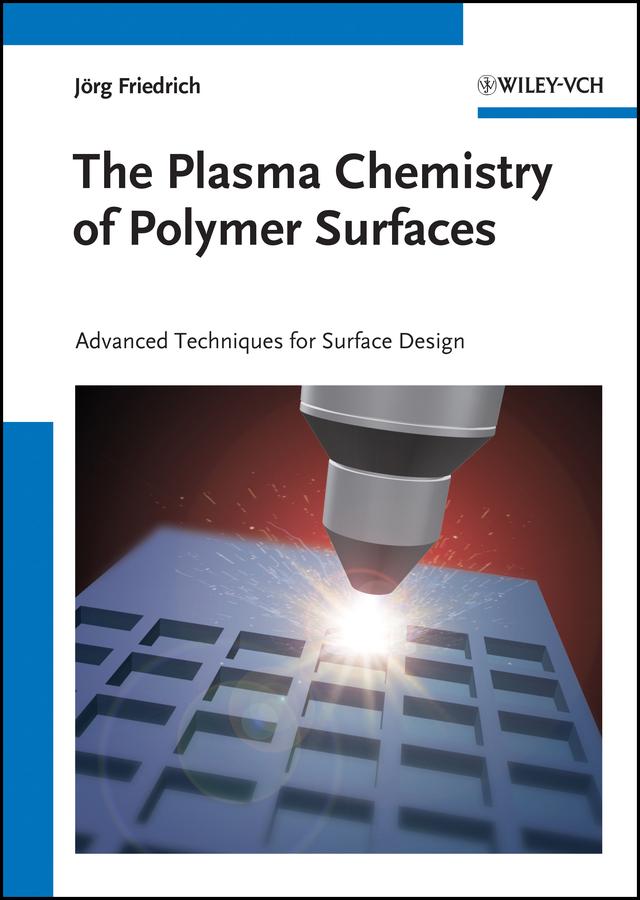
More than 99% of all visible matter in the universe occurs as highly ionized gas plasma with high energy content. Electrical low- and atmospheric-pressure plasmas are characterized by continuous source of moderate quantities of energy or enthalpy transferred predominantly as kinetic energy of electrons. Therefore, such energetically unbalanced plasmas have low gas temperature but produce
sufficient energy for inelastic collisions with atoms and molecules in the gas phase, thus producing reactive species and photons, which are able to initiate all types of polymerizations or activate any surface of low reactive polymers. However, the broadly distributed energies in the plasma exceed partially the binding energies in polymers, thus initiating very often unselective reactions and polymer degradation. The intention of this book is to present new plasma processes and new plasma reactions of high selectivity and high yield.
This book aims to bridge classical and plasma chemistry, particularly focusing on polymer chemistry in the bulk and on the surface under
plasma exposure. The stability of surface functionalization and the qualitative and quantitative measurement of functional groups at polymer
surface are featured prominently, and chemical pathways for suppressing the undesirable side effects of plasma exposure are proposed
and illustrated with numerous examples. Special attention is paid to the smooth transition from inanimate polymer surfaces to modified bioactive polymer surfaces. A wide range of techniques, plasma types and applications are demonstrated.
sufficient energy for inelastic collisions with atoms and molecules in the gas phase, thus producing reactive species and photons, which are able to initiate all types of polymerizations or activate any surface of low reactive polymers. However, the broadly distributed energies in the plasma exceed partially the binding energies in polymers, thus initiating very often unselective reactions and polymer degradation. The intention of this book is to present new plasma processes and new plasma reactions of high selectivity and high yield.
This book aims to bridge classical and plasma chemistry, particularly focusing on polymer chemistry in the bulk and on the surface under
plasma exposure. The stability of surface functionalization and the qualitative and quantitative measurement of functional groups at polymer
surface are featured prominently, and chemical pathways for suppressing the undesirable side effects of plasma exposure are proposed
and illustrated with numerous examples. Special attention is paid to the smooth transition from inanimate polymer surfaces to modified bioactive polymer surfaces. A wide range of techniques, plasma types and applications are demonstrated.
Pay easily by card, Klarna, Apple Pay or Google Pay. Not happy? You always have a 14-day money-back guarantee. Read more in our terms. If you have any questions, email us at hello@memmo.org.
Memmo makes studying easier – wherever you are in the world. We bring your course books and smart study tools together in one place: summaries, quizzes, podcasts and flashcards. Plus Ted, your study buddy who answers anything you wonder. Over 75,000 students already study here – built to help you learn faster and stress less.