
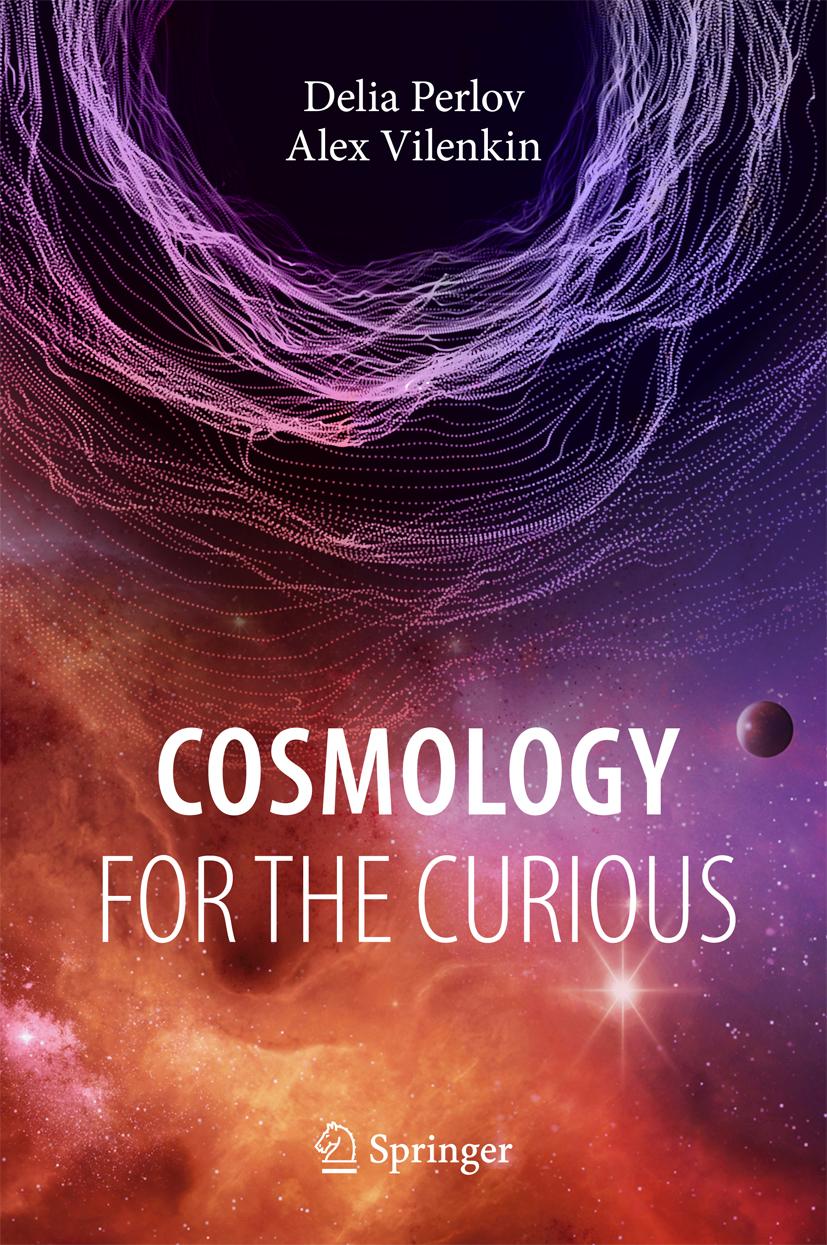
This book is a gentle introduction for all those wishing to learn about modern views of the cosmos. Our universe originated in a great explosion – the big bang. For nearly a century cosmologists have studied the aftermath of this explosion: how the universe expanded and cooled down, and how galaxies were gradually assembled by gravity. The nature of the bang itself has come into focus only relatively recently. It is the subject of the theory of cosmic inflation, which was developed in the last few decades and has led to a radically new global view of the universe.
Students and other interested readers will find here a non-technical but conceptually rigorous account of modern cosmological ideas - describing what we know, and how we know it. One of the book's central themes is the scientific quest to find answers to the ultimate cosmic questions: Is the universe finite or infinite? Has it existed forever? If not, when and how did it come into being? Will it ever end?The book is based on the undergraduate course taught by Alex Vilenkin at Tufts University. It assumes no prior knowledge of physics or mathematics beyond elementary high school math. The necessary physics background is introduced as it is required. Each chapter includes a list of questions and exercises of varying degree of difficulty.
Pay easily by card, Klarna, Apple Pay or Google Pay. Not happy? You always have a 14-day money-back guarantee. Read more in our terms. If you have any questions, email us at hello@memmo.org.
Memmo makes studying easier – wherever you are in the world. We bring your course books and smart study tools together in one place: summaries, quizzes, podcasts and flashcards. Plus Ted, your study buddy who answers anything you wonder. Over 50,000 students already study here – built to help you learn faster and stress less.