
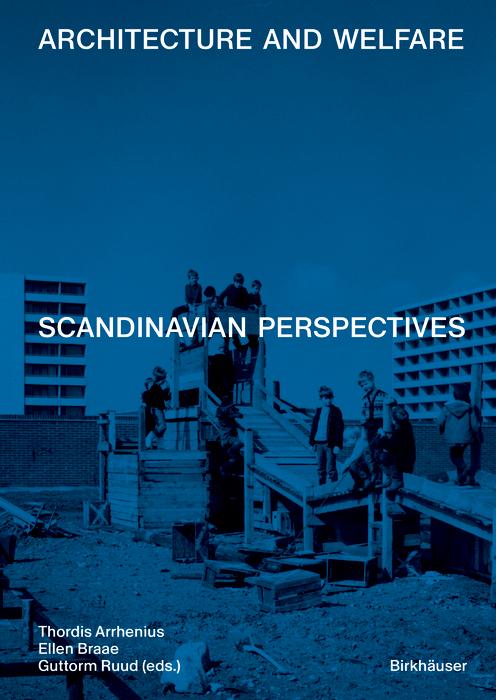
Architecture was fundamental to the realization of welfare state policy in the Nordic countries, translating democratic ideals into concrete spatial materializations. An inclusive notion of “welfare for all” was embraced by a generation of architects, landscape architects, and planners, who labored to give physical form to ideas of equality, collectivity, and
democracy, producing a vast architectural output in Scandinavia during the postwar years. Today, however, the architectural legacy of this era is contested. Welfare for all no longer enjoys the social or political consensus it once did.
This publication critically engages with this contested architectural legacy and provides a nuanced portrait of postwar welfare architecture coming to terms with a contentious past and facing an uncertain future
Pay easily by card, Klarna, Apple Pay or Google Pay. Not happy? You always have a 14-day money-back guarantee. Read more in our terms. If you have any questions, email us at hello@memmo.org.
Memmo makes studying easier – wherever you are in the world. We bring your course books and smart study tools together in one place: summaries, quizzes, podcasts and flashcards. Plus Ted, your study buddy who answers anything you wonder. Over 50,000 students already study here – built to help you learn faster and stress less.