
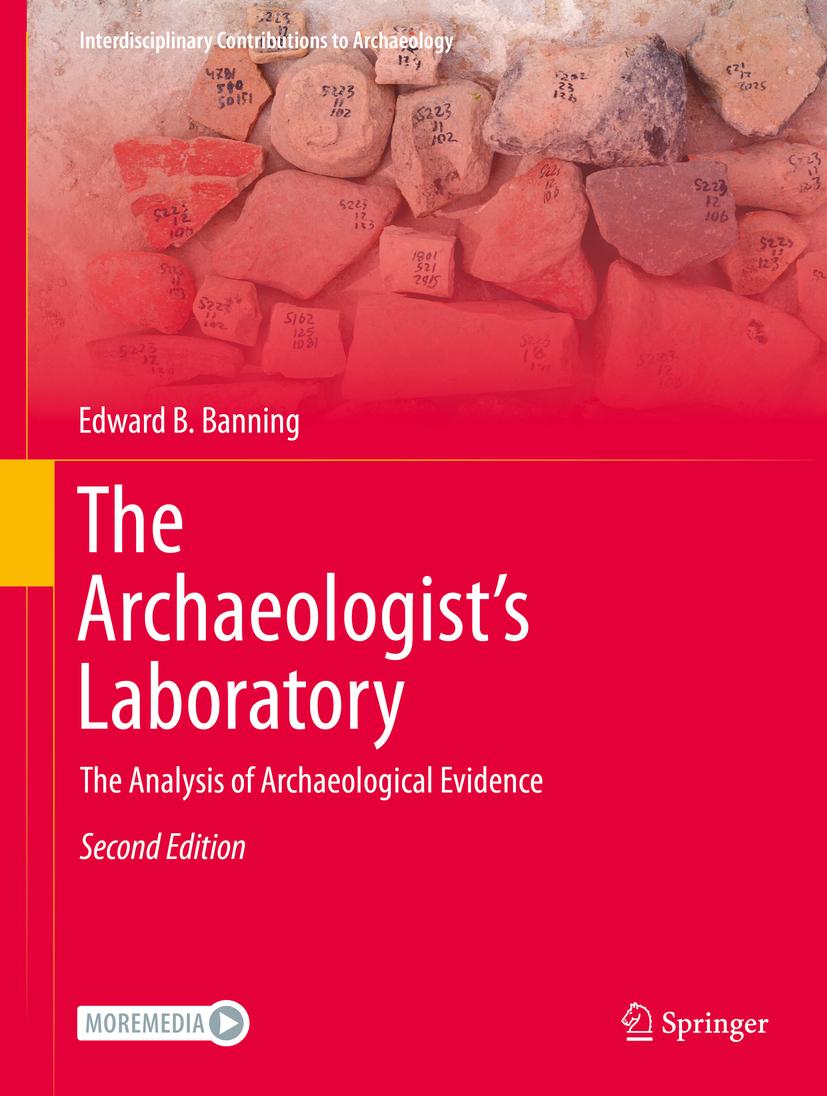
This second edition of the classic textbook, The Archaeologist’s Laboratory, is a substantially revised work that offers updated information on the archaeological work that follows fieldwork, such as the processing and analysis of artifacts and other evidence. An overarching theme of this edition is the quality and validity of archaeological arguments and the data we use to support them. The book introduces many of the laboratory activities that archaeologists carry out and the ways we can present research results, including graphs and artifact illustrations.
Part I introduces general topics concerning measurement error, data quality, research design, typology, probability and databases. It also includes data presentation, basic artifact conservation, and laboratory safety. Part II offers brief surveys of the analysis of lithics and ground stone, pottery, metal artifacts, bone and shell artifacts, animal and plant remains, and sediments, as well as dating by stratigraphy, seriation and chronometric methods. It concludes with a chapter on archaeological illustration and publication.
A new feature of the book is illustration of concepts through case studies from around the world and from the Palaeolithic to historical archaeology.The text is appropriate for senior undergraduate students and will also serve as a useful reference for graduate students and professional archaeologists.
Pay easily by card, Klarna, Apple Pay or Google Pay. Not happy? You always have a 14-day money-back guarantee. Read more in our terms. If you have any questions, email us at hello@memmo.org.
Memmo makes studying easier – wherever you are in the world. We bring your course books and smart study tools together in one place: summaries, quizzes, podcasts and flashcards. Plus Ted, your study buddy who answers anything you wonder. Over 75,000 students already study here – built to help you learn faster and stress less.