
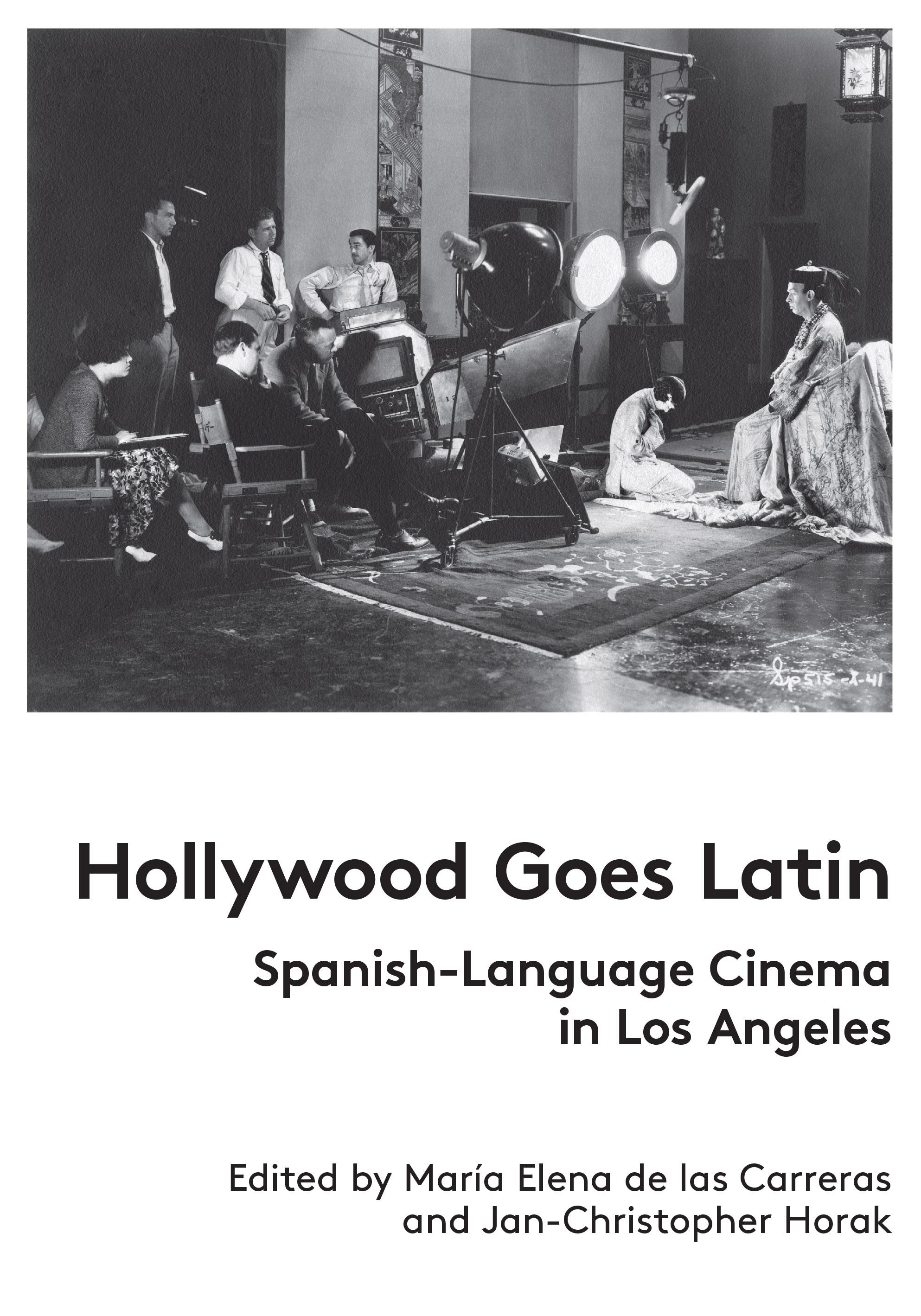
In the 1920s, Los Angeles enjoyed a buoyant homegrown Spanish-language culture comprised of local and itinerant stock companies that produced zarzuelas, stage plays, and variety acts. After the introduction of sound films, Spanish-language cinema thrived in the city's downtown theatres, screening throughout the 1930s, 1940s, and 1950s in venues such as the Teatro Eléctrico, the California, the Roosevelt, the Mason, the Azteca, the Million Dollar, and the Mayan Theater, among others. With the emergence and growth of Mexican and Argentine sound cinema in the early to mid-1930s, downtown Los Angeles quickly became the undisputed capital of Latin American cinema culture in the United States. Meanwhile, the advent of talkies resulted in the Hollywood studios hiring local and international talent from Latin America and Spain for the production of films in Spanish. Parallel with these productions, a series of Spanish-language films were financed by independent producers. As a result, Los Angeles can be viewed as the most important hub in the United States for the production, distribution, and exhibition of films made in Spanish for Latin American audiences.
In April 2017, the International Federation of Film Archives organized a symposium, "Hollywood Goes Latin: Spanish-Language Cinema in Los Angeles," which brought together scholars and film archivists from all of Latin America, Spain, and the United States to discuss the many issues surrounding the creation of Hollywood's "Cine Hispano." The papers presented in this two-day symposium are collected and revised here.
This is a joint publication of FIAF and UCLA Film & Television Archive.
Pay easily by card, Klarna, Apple Pay or Google Pay. Not happy? You always have a 14-day money-back guarantee. Read more in our terms. If you have any questions, email us at hello@memmo.org.
Memmo makes studying easier – wherever you are in the world. We bring your course books and smart study tools together in one place: summaries, quizzes, podcasts and flashcards. Plus Ted, your study buddy who answers anything you wonder. Over 50,000 students already study here – built to help you learn faster and stress less.