
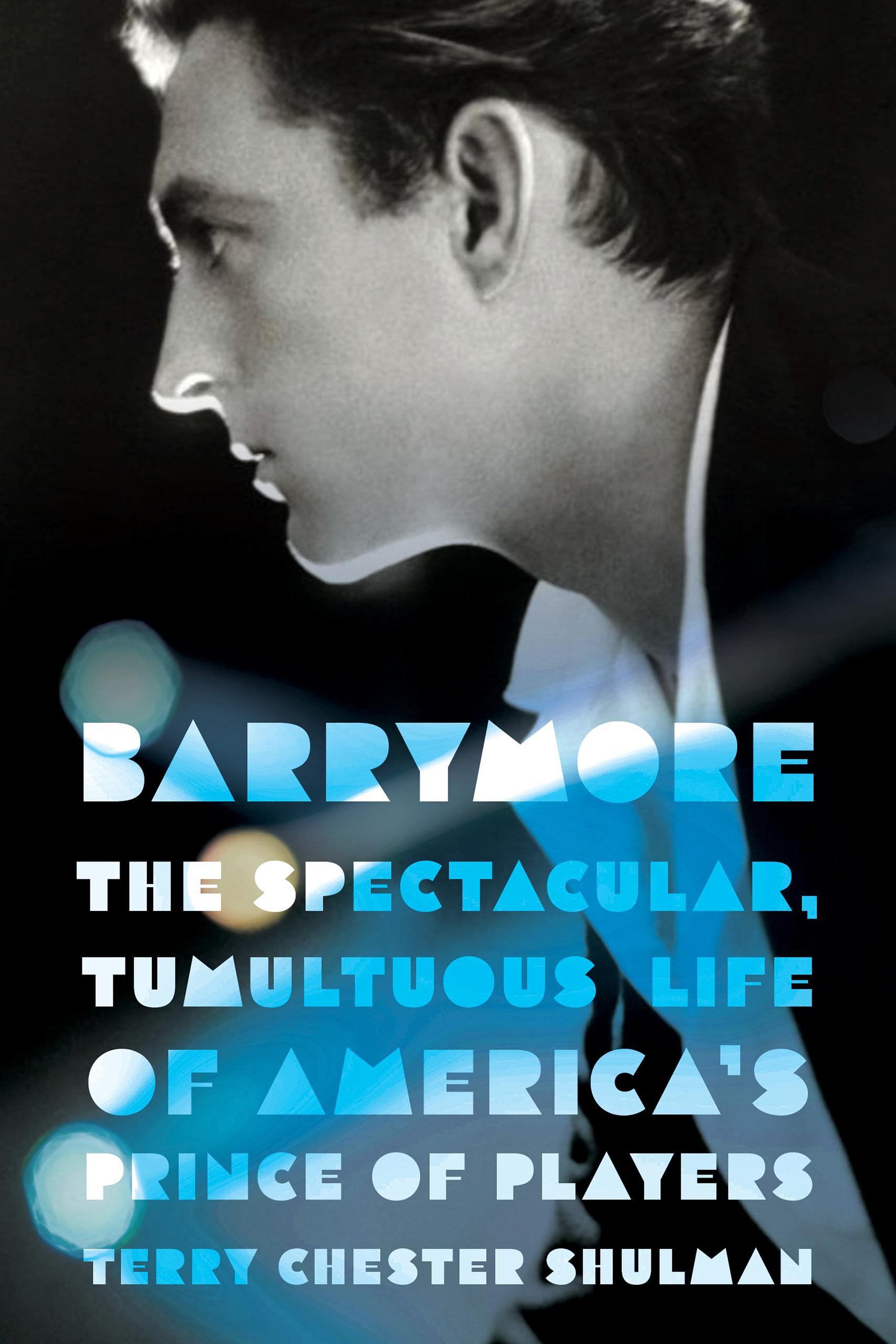
While many know the Barrymore name due to actress and talk show host Drew Barrymore, the family's rich legacy on the stage and screen dates back to the nineteenth century. Perhaps no one has understood the pressures of a family dynasty more keenly than John Barrymore, the youngest of patriarch Maurice Barrymore's three children.
Despite an increasingly successful career as an illustrator, John was fated to become an actor. He began in smaller productions, gradually developing into a comedy star and eventually reviving serious drama after World War I, when he reintroduced Shakespeare to modern audiences with Richard III and Hamlet. Following triumphs on stage, Barrymore was featured in silent movies such as Dr. Jekyll and Mr. Hyde (1920), for which he created the first modern creature effect, Sherlock Holmes (1922), and When a Man Loves (1927). As the industry transitioned to talkies, he enjoyed continued acclaim in A Bill of Divorcement (1932)—bringing Stanislavskian technique to Hollywood twenty years before Method acting was widely practiced—Dinner at Eight (1932), and Twentieth Century (1934), the first full-blown screwball comedy. Barrymore's later roles gradually became caricatures of his personal life. Even with multiple failed marriages and affairs in the public spotlight, as well as an alcohol dependency that weakened his health, he was able to rescue a faltering career in the years prior to his death in 1942.
In Barrymore: The Spectacular, Tumultuous Life of America's Prince of Players, Terry Chester Shulman dives into the story of John Barrymore's family, the underbelly of his Hollywood and Broadway productions, and the dangers of fame and fortune. Direct quotes from performances, letters, journals, and other sources paint Barrymore as a creative genius who struggled with personal demons and, hardships notwithstanding, left an indelible impact on the stage and silver screen—the echoes of which are still felt today.
Pay easily by card, Klarna, Apple Pay or Google Pay. Not happy? You always have a 14-day money-back guarantee. Read more in our terms. If you have any questions, email us at hello@memmo.org.
Memmo makes studying easier – wherever you are in the world. We bring your course books and smart study tools together in one place: summaries, quizzes, podcasts and flashcards. Plus Ted, your study buddy who answers anything you wonder. Over 50,000 students already study here – built to help you learn faster and stress less.