
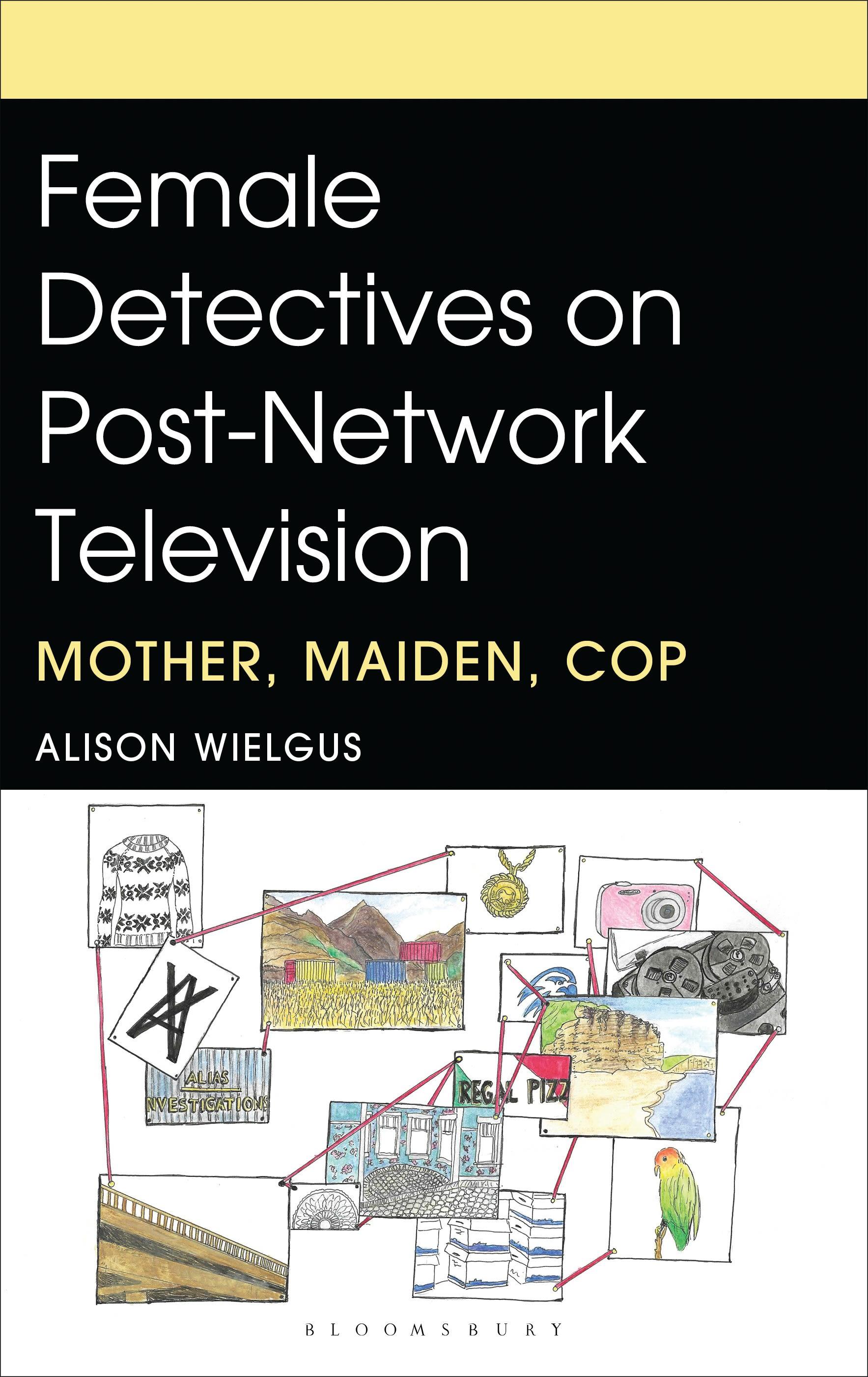
In this book, Alison Wielgus analyzes post-network female detective television through the lenses of genre, industry, and discourses of police abolition to argue for a radicalization of crime television that incorporates discourses of restorative justice and a feminist ethics of care.
Wielgus positions the genre as a primary site to examine the intersections of cultural discourses like #MeToo and Black Lives Matter, considering the roles of several components of the genre, including serialization, circulation, family trauma, transnational victimhood, and discourses of police abolition, among others. Drawing on narrative and genre theory, the book argues that a melodrama/crime television dialectic undergirds post-network detective television, allowing the female detective to emerge as a contested figure representative of larger cultural tensions between gender and policing.
While changing industrial measures have allowed for niche programming to evolve and more rigorously interrogate gender norms, Wielgus finds that this disruption rarely extends to the institution of policing itself. Ultimately, this book identifies a central problem of crime television in the limitations the genre places on the construction and representation of the structural and societal functions of policing, even amid other strides in progressive representation.
Wielgus positions the genre as a primary site to examine the intersections of cultural discourses like #MeToo and Black Lives Matter, considering the roles of several components of the genre, including serialization, circulation, family trauma, transnational victimhood, and discourses of police abolition, among others. Drawing on narrative and genre theory, the book argues that a melodrama/crime television dialectic undergirds post-network detective television, allowing the female detective to emerge as a contested figure representative of larger cultural tensions between gender and policing.
While changing industrial measures have allowed for niche programming to evolve and more rigorously interrogate gender norms, Wielgus finds that this disruption rarely extends to the institution of policing itself. Ultimately, this book identifies a central problem of crime television in the limitations the genre places on the construction and representation of the structural and societal functions of policing, even amid other strides in progressive representation.
Pay easily by card, Klarna, Apple Pay or Google Pay. Not happy? You always have a 14-day money-back guarantee. Read more in our terms. If you have any questions, email us at hello@memmo.org.
Memmo makes studying easier – wherever you are in the world. We bring your course books and smart study tools together in one place: summaries, quizzes, podcasts and flashcards. Plus Ted, your study buddy who answers anything you wonder. Over 50,000 students already study here – built to help you learn faster and stress less.