
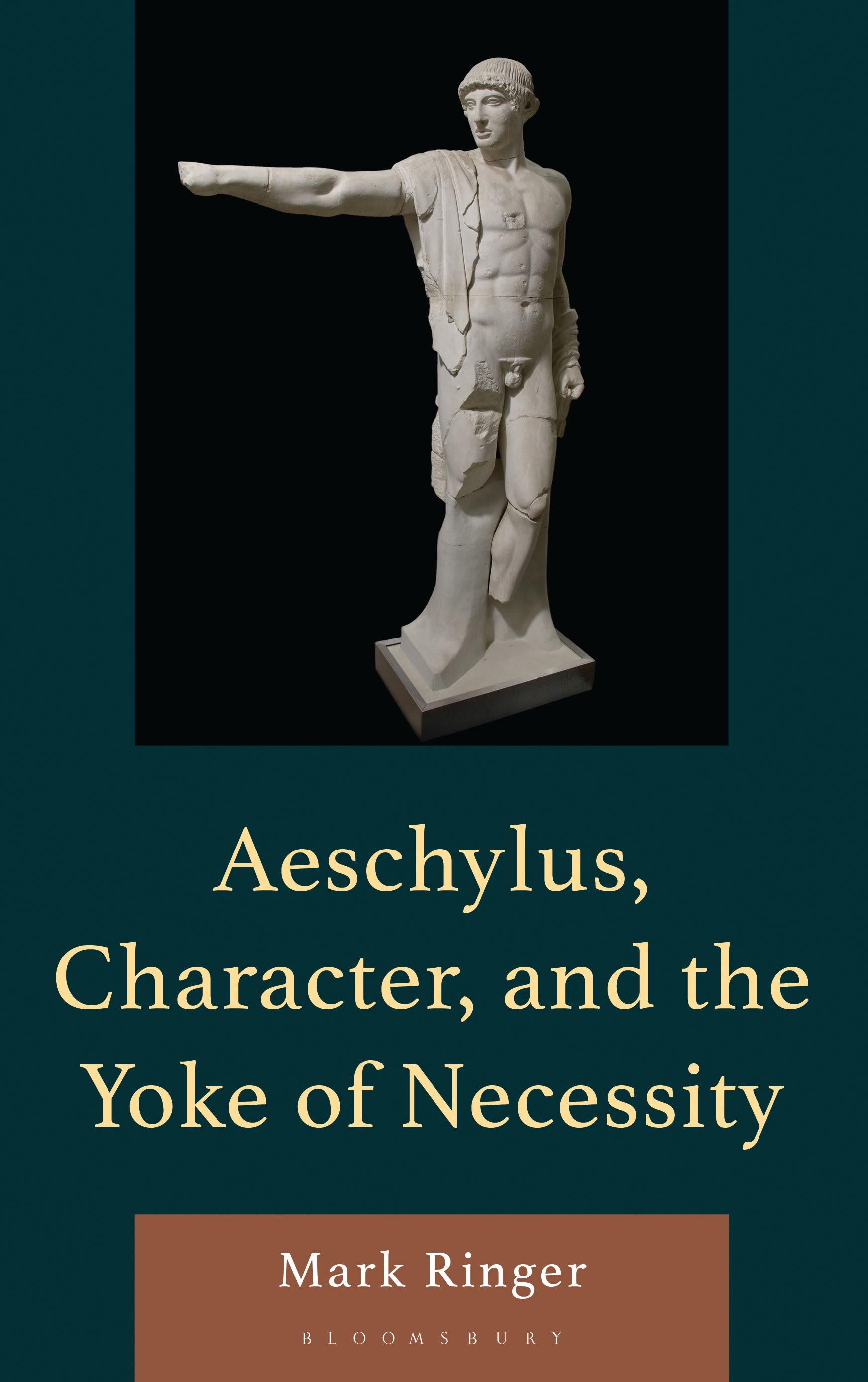
Aeschylus, Character, and the Yoke of Necessity considers the works of Aeschylus in the context of the playwright's handling of dramatic character and the conflict between freedom and compulsion. Aeschylus was an Athenian citizen during the first generation of that polis's democratic system. As such, he and his contemporaries were encountering a kind of free agency unknown before in history. Aeschylus presents the archetype of the “tragedy of character” that will resonate throughout world literature. It is a fascinating and essential component to the conception of his drama that his protagonists each of the six plays find ways of escaping freedom in exchange for a self-imposed spiritual bondage. They “slip [their] necks into the yoke of necessity,” to borrow a pivotal line from the Agamemnon. Caught between their individual motives and the unavoidable necessity of their situation, each protagonist handles this conflict in a way that defines the specificity of their character and results in the development of the plot. This book also explores the frequently dominant position of the Aeschylean chorus.
Pay easily by card, Klarna, Apple Pay or Google Pay. Not happy? You always have a 14-day money-back guarantee. Read more in our terms. If you have any questions, email us at hello@memmo.org.
Memmo makes studying easier – wherever you are in the world. We bring your course books and smart study tools together in one place: summaries, quizzes, podcasts and flashcards. Plus Ted, your study buddy who answers anything you wonder. Over 75,000 students already study here – built to help you learn faster and stress less.