
Can we be held responsible for factors beyond our control? Would a just God judge us differently because of luck, or even divine manipulation? Can a fair and just evaluation of humanity result in a universally failing grade?
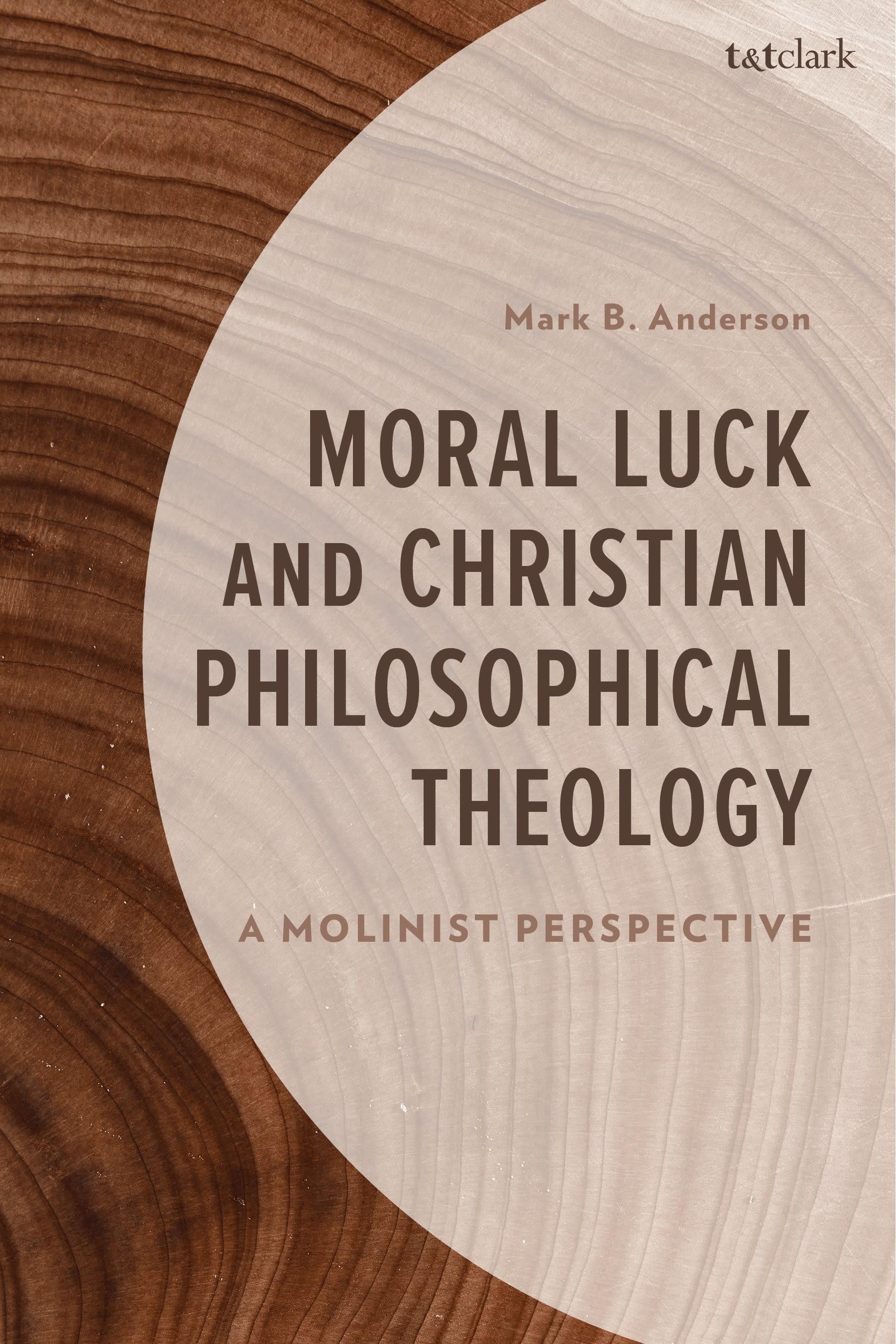
Moral Luck and Christian Philosophical Theology: A Molinist Perspective engages these questions by tackling the intersection of Christian theology and the moral luck dispute. The solution it offers, building upon the work of Michael Zimmerman, is to develop a counterfactual account of moral responsibility, which eliminates all forms of moral luck. Anderson argues that this solution will carry two metaphysical commitments associated with the molinist model of divine providence: counterfactuals of libertarian freedom and a haecceity view of personal identity. He then develops the account from a moral perspective, examining how we can meaningfully engage the luck-bound world around us without the burden of moral luck. Finally, he examines the theological ramifications of the view, explaining how it is that all human persons may be inescapably and deeply culpable (suffering from original sin) in a way that is consistent with God's justice and love, and how we yet remain capable of a kind of moral restoration. Anderson's suggestion is a radical one, but it offers new avenues for Christian theology while preserving the essential core of the Christian tradition.
Moral Luck and Christian Philosophical Theology: A Molinist Perspective engages these questions by tackling the intersection of Christian theology and the moral luck dispute. The solution it offers, building upon the work of Michael Zimmerman, is to develop a counterfactual account of moral responsibility, which eliminates all forms of moral luck. Anderson argues that this solution will carry two metaphysical commitments associated with the molinist model of divine providence: counterfactuals of libertarian freedom and a haecceity view of personal identity. He then develops the account from a moral perspective, examining how we can meaningfully engage the luck-bound world around us without the burden of moral luck. Finally, he examines the theological ramifications of the view, explaining how it is that all human persons may be inescapably and deeply culpable (suffering from original sin) in a way that is consistent with God's justice and love, and how we yet remain capable of a kind of moral restoration. Anderson's suggestion is a radical one, but it offers new avenues for Christian theology while preserving the essential core of the Christian tradition.
Pay easily by card, Klarna, Apple Pay or Google Pay. Not happy? You always have a 14-day money-back guarantee. Read more in our terms. If you have any questions, email us at hello@memmo.org.
Memmo makes studying easier – wherever you are in the world. We bring your course books and smart study tools together in one place: summaries, quizzes, podcasts and flashcards. Plus Ted, your study buddy who answers anything you wonder. Over 50,000 students already study here – built to help you learn faster and stress less.