
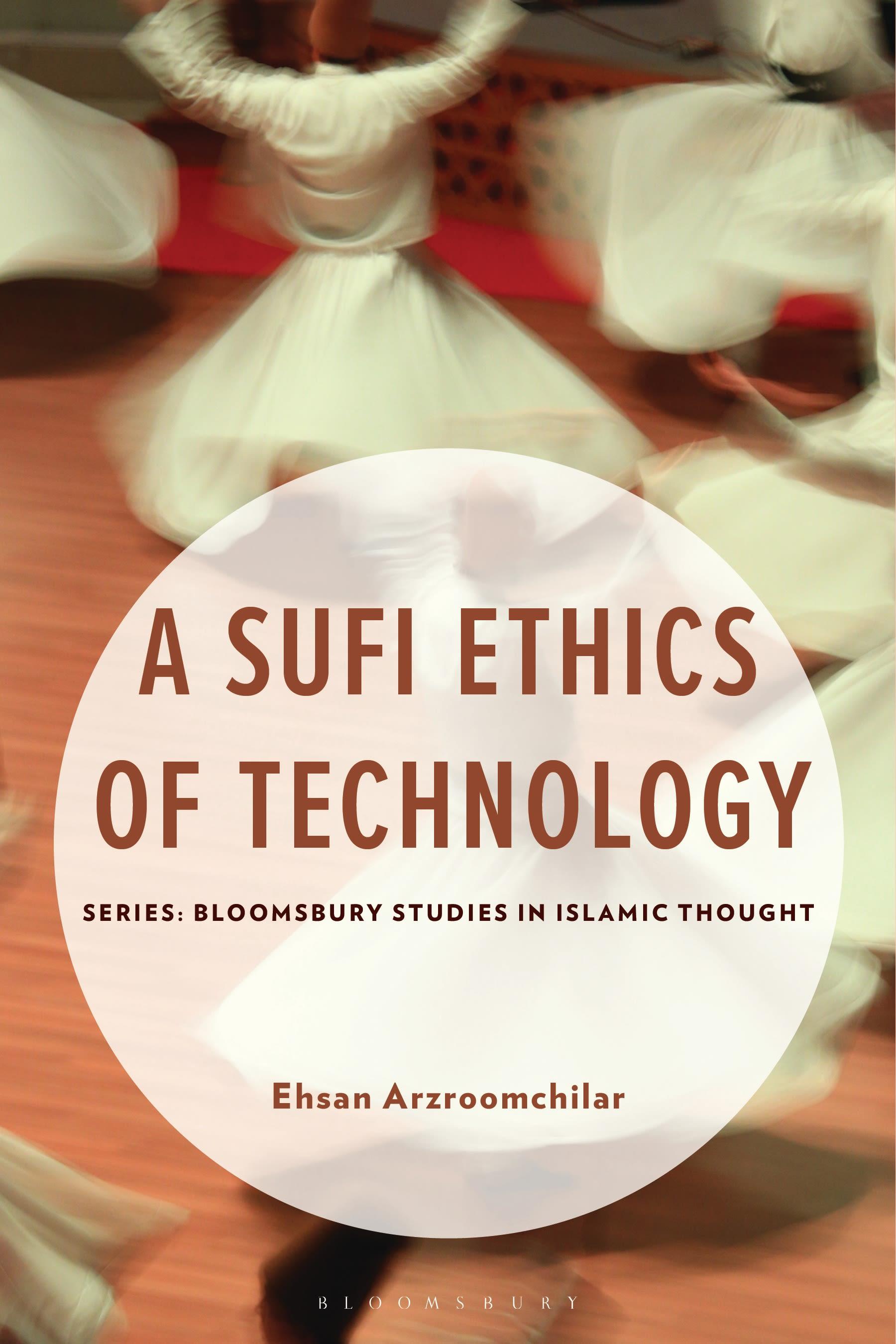
The book develops an Islamic account of technology with a particular emphasis on the tradition of virtue ethics.
Ehsan Arzroomchilar contends that technology, inherently imbued with cultural, social, and moral baggage, can never be neutral. As such, technology generates novel ethical challenges and raises questions which unsettle long-standing moral intuitions. In a rapidly advancing and religiously pluralistic world, an investigation of the intersection of technology and Islam, offered here, is both timely and imperative. Tapping into rich histories of intellectual and technological engagement within Sufism, this book contends that Sufism models one of the most promising frameworks for an ethics of technology today-not only because of its virtue-oriented orientation, which resonates with contemporary virtue-based approaches, but also due to the positive role it accords to material artifacts. By grounding an ethical consideration of technology within the lived experience and religion of Sufis, represented by a close study of calligraphy, Arzroomchilar uncovers profound insights into the significance of the body and technology in processes of moral and spiritual transformation offered by Sufism. This book weaves together historical, philosophical, religious, and ethical threads, providing a comprehensive and insightful exploration of Islam's role in navigating the challenges and opportunities presented by our technological age.
Ehsan Arzroomchilar contends that technology, inherently imbued with cultural, social, and moral baggage, can never be neutral. As such, technology generates novel ethical challenges and raises questions which unsettle long-standing moral intuitions. In a rapidly advancing and religiously pluralistic world, an investigation of the intersection of technology and Islam, offered here, is both timely and imperative. Tapping into rich histories of intellectual and technological engagement within Sufism, this book contends that Sufism models one of the most promising frameworks for an ethics of technology today-not only because of its virtue-oriented orientation, which resonates with contemporary virtue-based approaches, but also due to the positive role it accords to material artifacts. By grounding an ethical consideration of technology within the lived experience and religion of Sufis, represented by a close study of calligraphy, Arzroomchilar uncovers profound insights into the significance of the body and technology in processes of moral and spiritual transformation offered by Sufism. This book weaves together historical, philosophical, religious, and ethical threads, providing a comprehensive and insightful exploration of Islam's role in navigating the challenges and opportunities presented by our technological age.
Pay easily by card, Klarna, Apple Pay or Google Pay. Not happy? You always have a 14-day money-back guarantee. Read more in our terms. If you have any questions, email us at hello@memmo.org.
Memmo makes studying easier – wherever you are in the world. We bring your course books and smart study tools together in one place: summaries, quizzes, podcasts and flashcards. Plus Ted, your study buddy who answers anything you wonder. Over 50,000 students already study here – built to help you learn faster and stress less.