
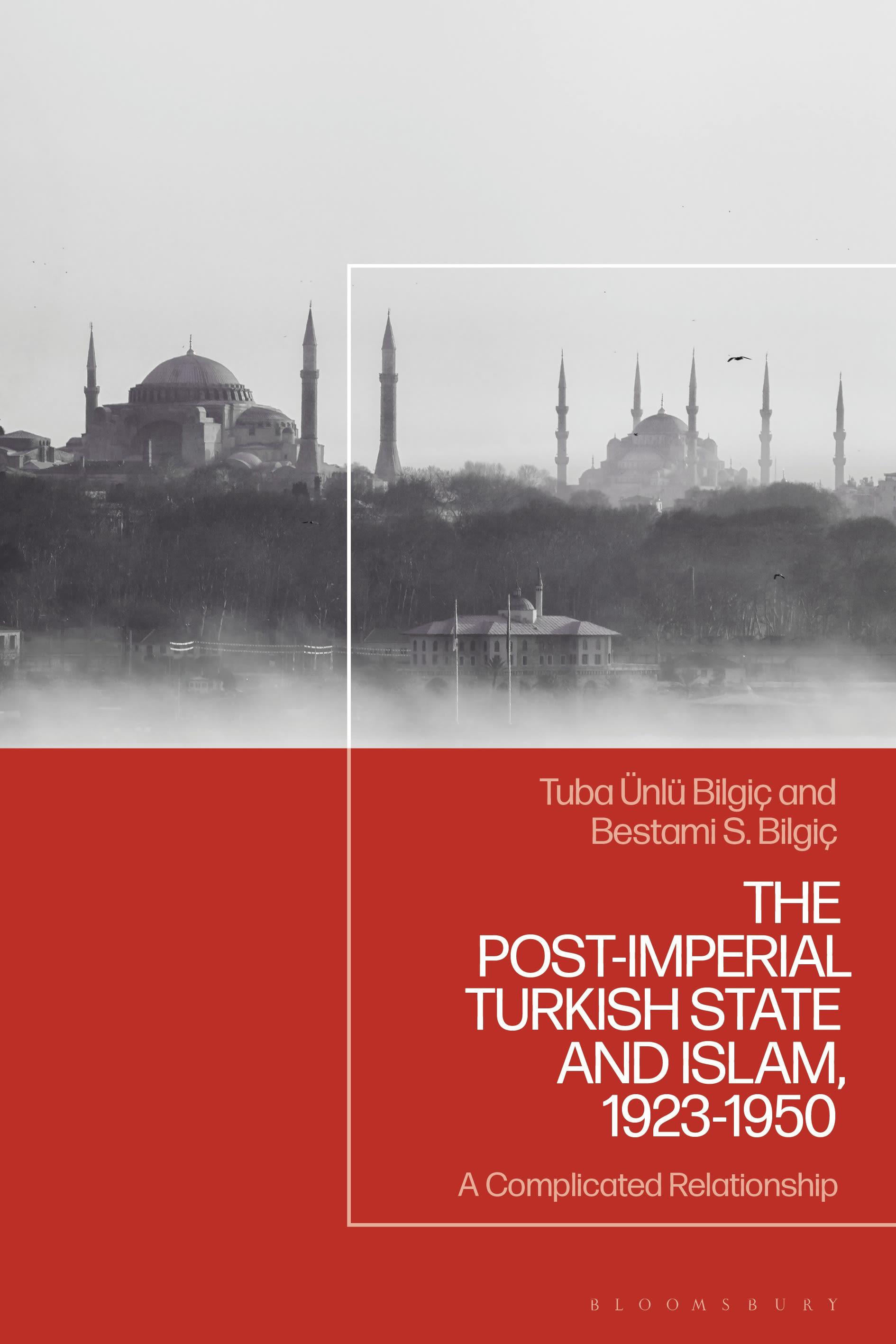
The period between 1923-1950 is seen as the golden age of secularism in the Turkish Republic, but how true is this? The Post-Imperial Turkish State and Islam, 1923-1950 revisits the relationship between the state and Islam in Turkey during this period, arguing that it was shaped and complicated by a post-imperial trauma that manifested in almost all parts of political and social life.
Using extensive Turkish and English language government documents, the authors argue that this was neither a golden age for secularism, nor a dark age for Islam in Turkey. Instead, they reveal how the Turkish government's relationship with Islam was shaped by three processes of negotiation. First, the 'Lausanne negotiation' between Turkey and the victorious powers of the First World War, second between the Kemalist government and both its dissenters and the largely conservative Turkish society, and third, amongst the Kemalist themselves. Through these negotiations, the authors reveal the intricate and complex relationship between state and religion in post-imperial Turkey, contributing fascinating new insights to the established literature on this subject.
Using extensive Turkish and English language government documents, the authors argue that this was neither a golden age for secularism, nor a dark age for Islam in Turkey. Instead, they reveal how the Turkish government's relationship with Islam was shaped by three processes of negotiation. First, the 'Lausanne negotiation' between Turkey and the victorious powers of the First World War, second between the Kemalist government and both its dissenters and the largely conservative Turkish society, and third, amongst the Kemalist themselves. Through these negotiations, the authors reveal the intricate and complex relationship between state and religion in post-imperial Turkey, contributing fascinating new insights to the established literature on this subject.
Pay easily by card, Klarna, Apple Pay or Google Pay. Not happy? You always have a 14-day money-back guarantee. Read more in our terms. If you have any questions, email us at hello@memmo.org.
Memmo makes studying easier – wherever you are in the world. We bring your course books and smart study tools together in one place: summaries, quizzes, podcasts and flashcards. Plus Ted, your study buddy who answers anything you wonder. Over 50,000 students already study here – built to help you learn faster and stress less.