
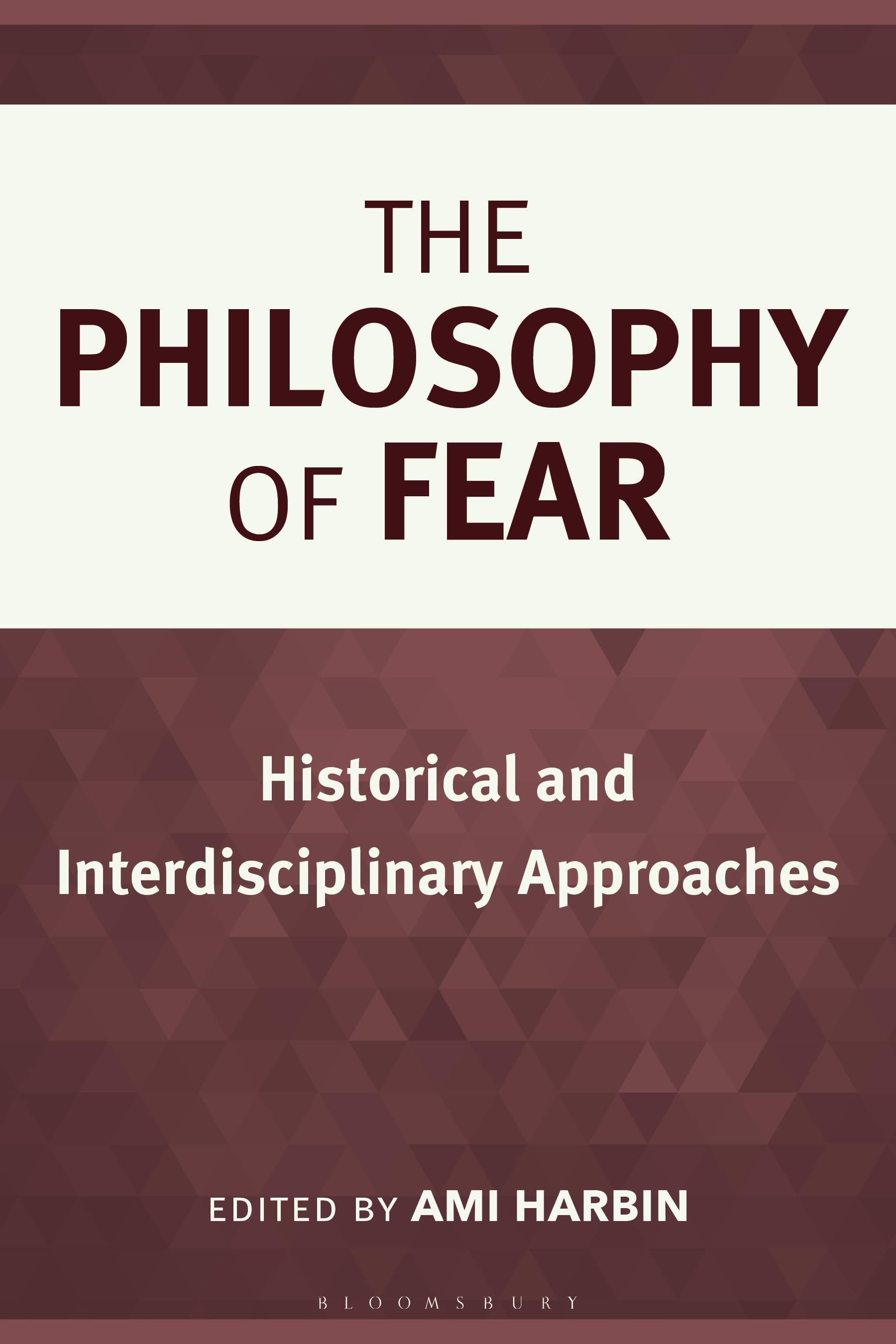
Philosophers reflect on the significance of fear both in the history of Eastern and Western Philosophy and at the intersections of contemporary philosophy and other disciplines.
The collection, edited by Ami Harbin, is divided into two parts. Part I begins with reflections on the centrality of fear in Confucian ethical-political thought and in the ancient Greek philosophy of Aristotle, before turning to the reflections on fear in medieval and twentieth-century philosophy. Part II presents contemporary philosophical work that expands the variety of approaches to fear, building connections with work in cognitive science, neuroscience, psychiatry, developmental psychology, and U. S. history.
Fear as an emotion-though always present in the history of philosophy, and one of the key points of contact between philosophy and other empirically-informed disciplines-has received surprisingly little concerted attention within philosophy. This is the first collection from contemporary philosophers with the express goal of reflecting on fear in the history of philosophy and collecting perspectives on fear from philosophers engaged in interdisciplinary research.
The collection, edited by Ami Harbin, is divided into two parts. Part I begins with reflections on the centrality of fear in Confucian ethical-political thought and in the ancient Greek philosophy of Aristotle, before turning to the reflections on fear in medieval and twentieth-century philosophy. Part II presents contemporary philosophical work that expands the variety of approaches to fear, building connections with work in cognitive science, neuroscience, psychiatry, developmental psychology, and U. S. history.
Fear as an emotion-though always present in the history of philosophy, and one of the key points of contact between philosophy and other empirically-informed disciplines-has received surprisingly little concerted attention within philosophy. This is the first collection from contemporary philosophers with the express goal of reflecting on fear in the history of philosophy and collecting perspectives on fear from philosophers engaged in interdisciplinary research.
Pay easily by card, Klarna, Apple Pay or Google Pay. Not happy? You always have a 14-day money-back guarantee. Read more in our terms. If you have any questions, email us at hello@memmo.org.
Memmo makes studying easier – wherever you are in the world. We bring your course books and smart study tools together in one place: summaries, quizzes, podcasts and flashcards. Plus Ted, your study buddy who answers anything you wonder. Over 50,000 students already study here – built to help you learn faster and stress less.