
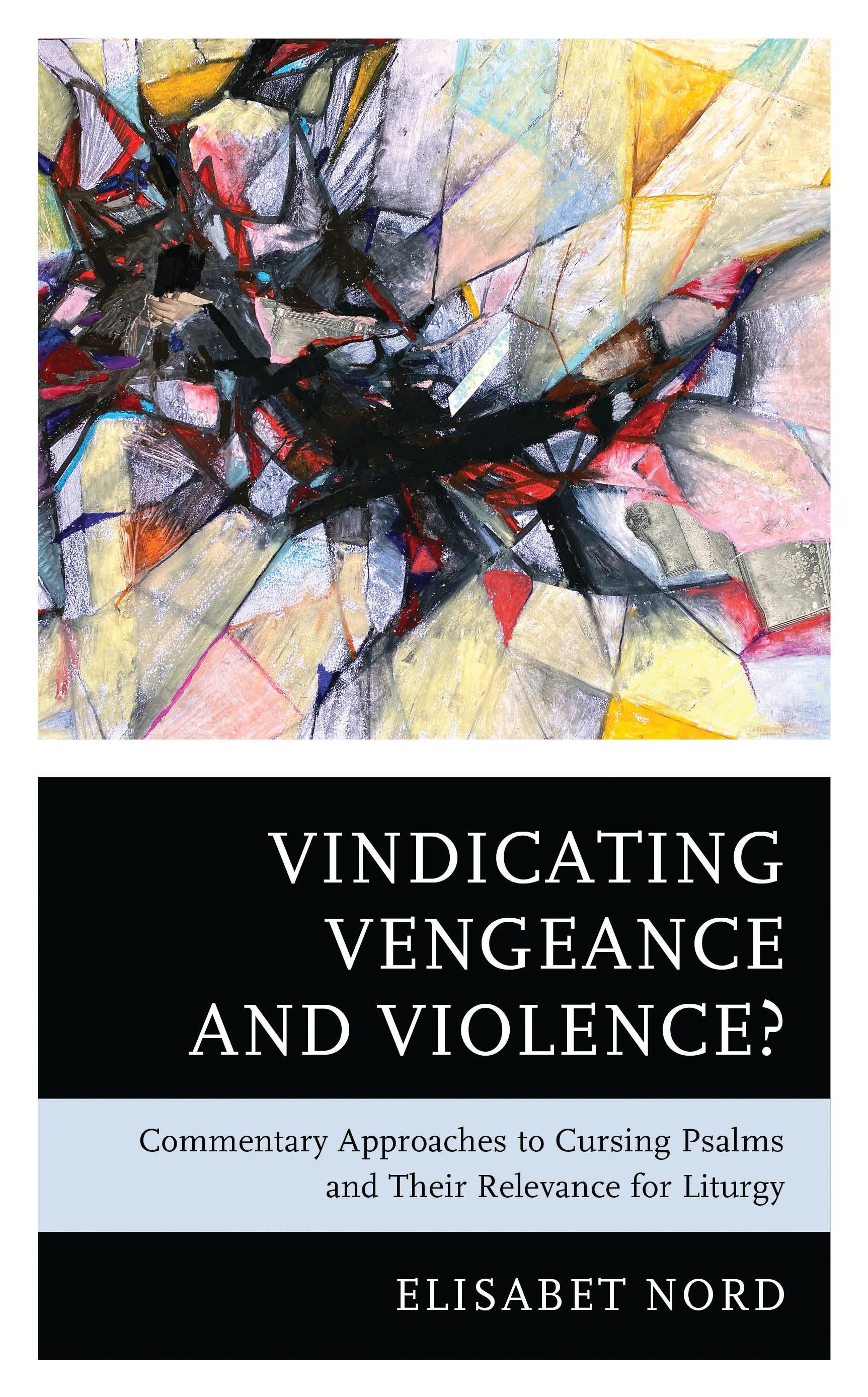
Psalms that seem to vindicate vengeance and violence are generally omitted from liturgy, as exemplified in most breviaries used by worshipping communities around the world. Although seldom read, the so-called cursing psalms are known to many as their imprecatory passages pose challenges for readers who wish to use the entire Book of Psalms as their book of prayer. Because passages that call for vengeance and violence are present throughout the psalm collection and often “intertwined with the most exquisite things,” as noted by C. S. Lewis, both liturgists and laypeople need to find substantial hermeneutical strategies that can help answer what to make of imprecatory passages. But despite the ample exegetical advice made available through commentary literature, past and present, worshippers are stuck at a point of convergence between exegetical support and liturgical rejection. Through the process of metacommentary on Psalms 58, 109, 137, and 139, Elisabet Nord identifies three popular and generic hermeneutical approaches often applied to cursing psalms, including the tacit preconceived notions of these prominent approaches. The latter helps to uncover the liturgical relevance—and sometimes lack thereof—of scholarly advice on how to interpret and navigate psalms calling for vengeance and violence as prayers.
Pay easily by card, Klarna, Apple Pay or Google Pay. Not happy? You always have a 14-day money-back guarantee. Read more in our terms. If you have any questions, email us at hello@memmo.org.
Memmo makes studying easier – wherever you are in the world. We bring your course books and smart study tools together in one place: summaries, quizzes, podcasts and flashcards. Plus Ted, your study buddy who answers anything you wonder. Over 50,000 students already study here – built to help you learn faster and stress less.