
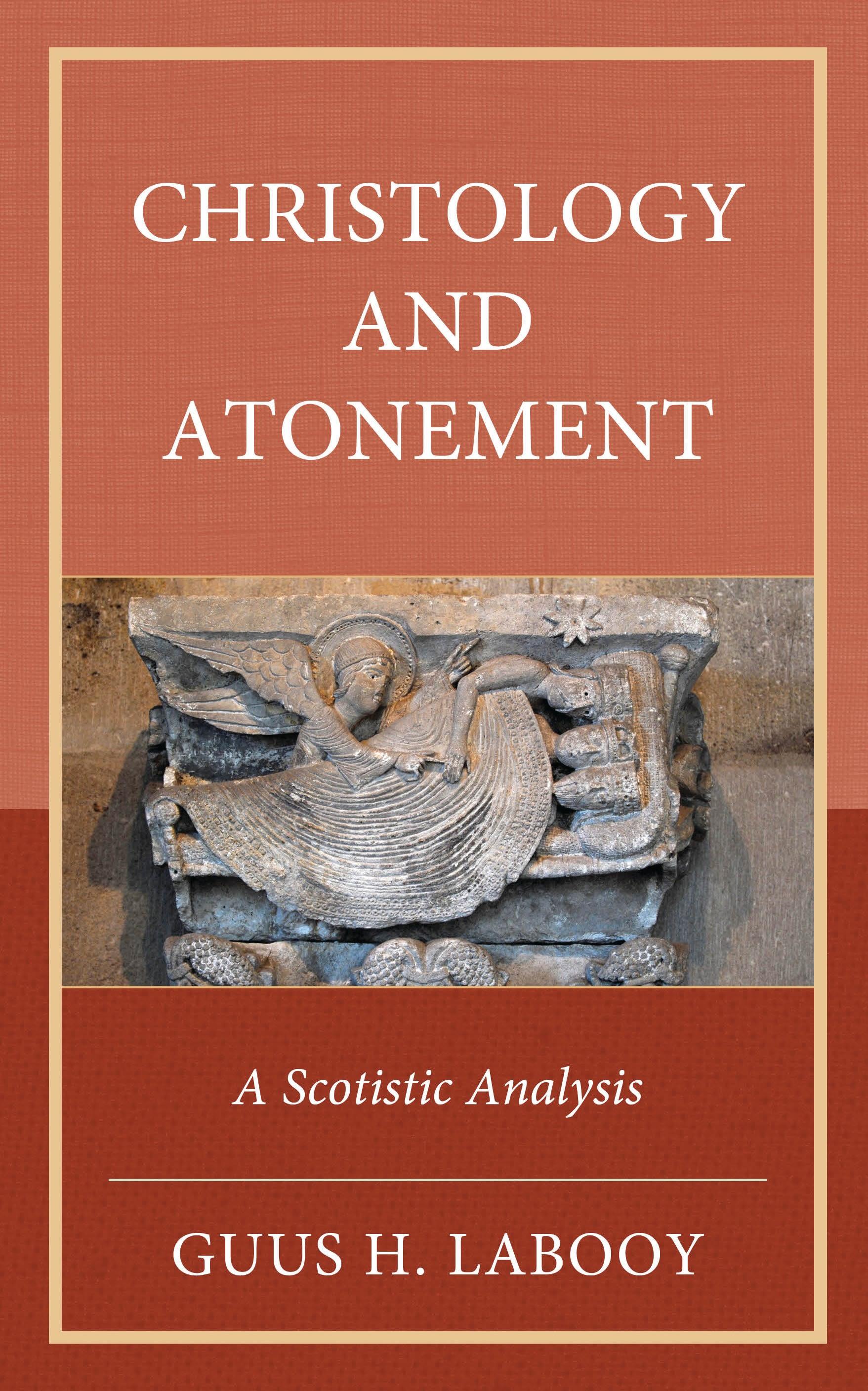
This scotistic study in analytical theology presupposes Conciliar Christology and aims at a more profound understanding of two vital and connected Christian doctrines: Christology and atonement. The beating heart of the first part is Duns Scotus's compelling analysis of the incarnation: his uniquely successful analysis of the “hypostatic union.” Following Marilyn McCord Adams, Guus H. Labooy argues that the problem of Christological predication can be solved by probing the metaphysical backbone of “qua-propositions” (expressions like “as regards his Godhead” and “as regards his manhood”). Labooy dedicates the second part of the book to the analysis of atonement, especially to its most controversial aspect, “penal substitution.” The Messiah dying for our sins is perhaps the storm centre of the confrontation between Christian faith and the secular intellectual mindset. Labooy argues on exegetical grounds that all the current models of atonement are complementary. None of them should be discarded and neither should penal substitution. The account of penal substitution (or vicarious penance) he defends is shaped with the decisive aid of Scotus's analytical tools.
Pay easily by card, Klarna, Apple Pay or Google Pay. Not happy? You always have a 14-day money-back guarantee. Read more in our terms. If you have any questions, email us at hello@memmo.org.
Memmo makes studying easier – wherever you are in the world. We bring your course books and smart study tools together in one place: summaries, quizzes, podcasts and flashcards. Plus Ted, your study buddy who answers anything you wonder. Over 50,000 students already study here – built to help you learn faster and stress less.