
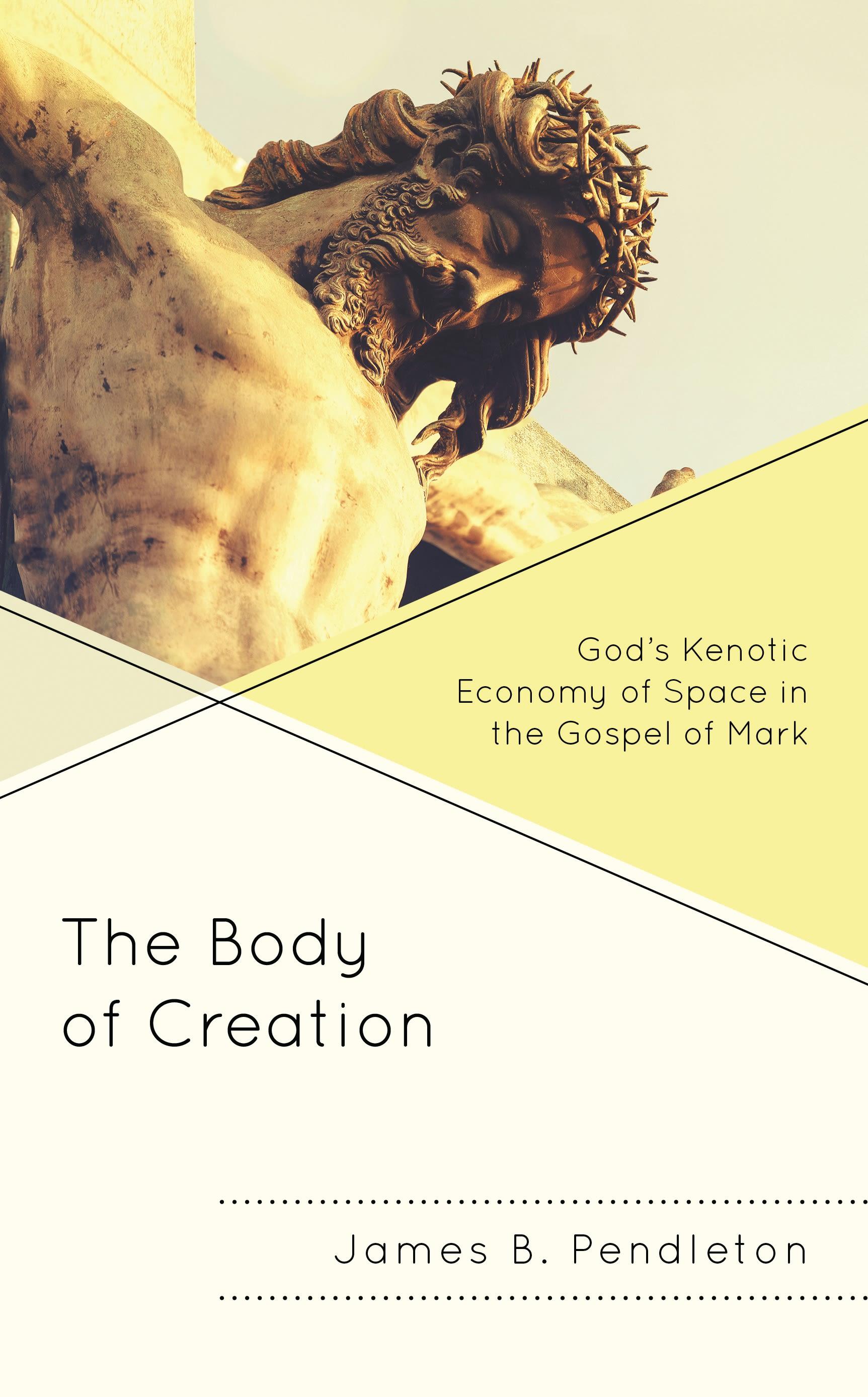
In the modern period, space has predominately been conceived of as a mere setting for human action, ontologically separate from the body. In Markan studies, the result has been the multiplication of textual geographies that hide the spatiality of Jesus’s narrativized and, thus, living body. Rather than representing Jesus’s body as replicating the spatial configurations of dominant scribal cartographic practice (including imperial practice), James B. Pendleton shows that Mark portrays Jesus’s body as a living production of space that troubles dominant maps. Against readings of Mark that argue that Jesus is either an imperial or an anti-imperial figure, Pendleton argues that Mark presents Jesus’s body, and thus his spatiality, as both inside (as an insider) and outside (as an outsider) simultaneously, in what has more commonly been theorized recently as third spatiality, or thirdspace. Rather than an imperial or anti-imperial economy of spatial production, Pendleton argues, Mark presents Jesus’s body within a both-and and more economy that is kenotic, revealing God’s own royal yet “emptying” body.
Pay easily by card, Klarna, Apple Pay or Google Pay. Not happy? You always have a 14-day money-back guarantee. Read more in our terms. If you have any questions, email us at hello@memmo.org.
Memmo makes studying easier – wherever you are in the world. We bring your course books and smart study tools together in one place: summaries, quizzes, podcasts and flashcards. Plus Ted, your study buddy who answers anything you wonder. Over 50,000 students already study here – built to help you learn faster and stress less.