
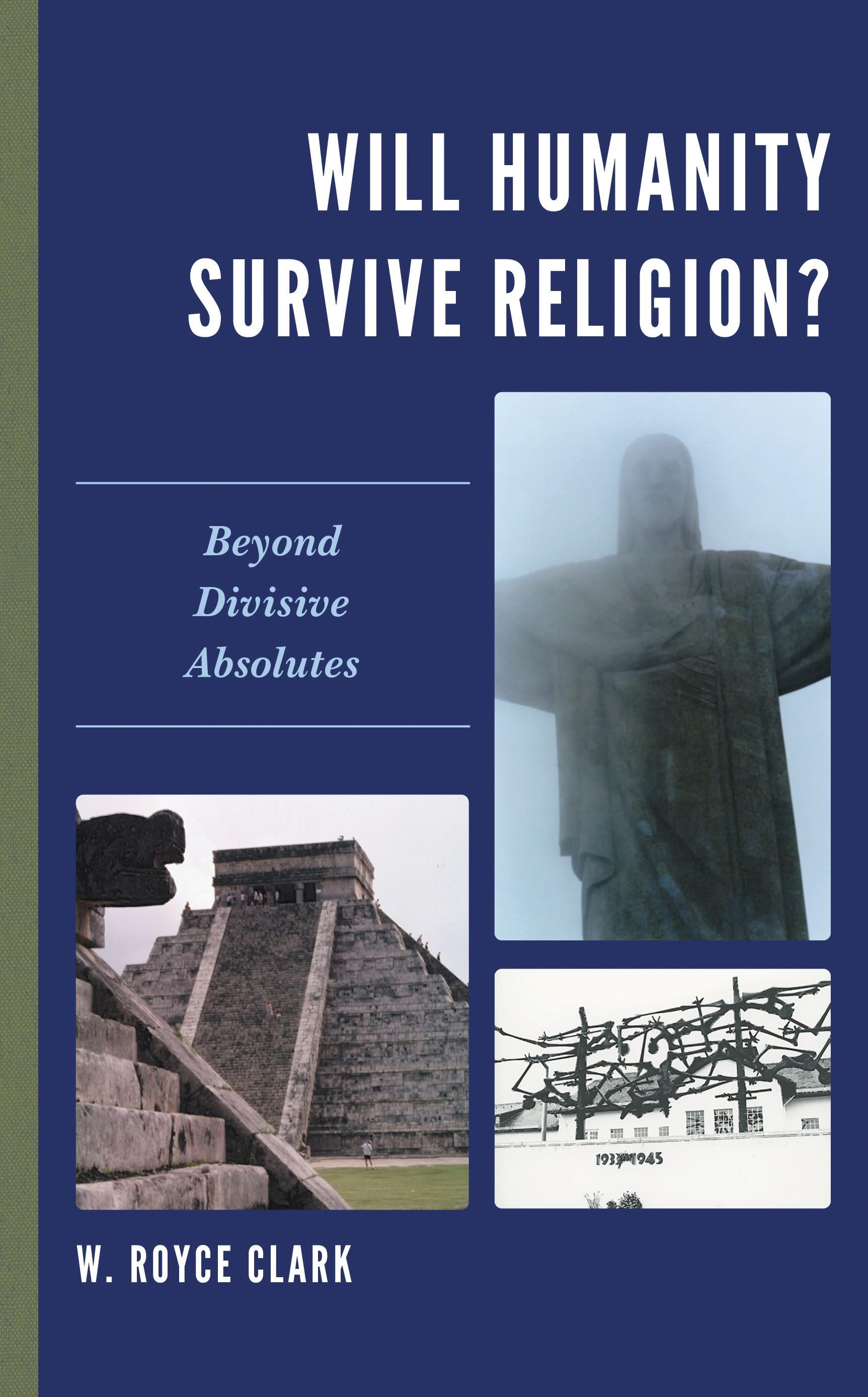
When the “human sciences” in the West followed the physical sciences in the 18th and 19th centuries with new measurements, methods, and language, the “metaphysics of infinity” lost its credibility. The response of Western religions was to retrench in a stronger authoritarianism, especially by the last half of the 19th century. While the new human sciences were being extended even to study the history and philosophy of religions, those religions themselves placed more emphasis on their understanding of the Absolute or Unquestionable. That split became a burden both to those who were religious and to those who were not.
Here, W. Royce Clark argues that humanity’s survival may depend on the development of a universal or inclusive ethic in which religions move beyond their Absolutes. Clark poses the sharp challenge: Are religious communities ready to abandon the foundations that until now they have insisted were the only adequate foundation for ethics?
Here, W. Royce Clark argues that humanity’s survival may depend on the development of a universal or inclusive ethic in which religions move beyond their Absolutes. Clark poses the sharp challenge: Are religious communities ready to abandon the foundations that until now they have insisted were the only adequate foundation for ethics?
Pay easily by card, Klarna, Apple Pay or Google Pay. Not happy? You always have a 14-day money-back guarantee. Read more in our terms. If you have any questions, email us at hello@memmo.org.
Memmo makes studying easier – wherever you are in the world. We bring your course books and smart study tools together in one place: summaries, quizzes, podcasts and flashcards. Plus Ted, your study buddy who answers anything you wonder. Over 50,000 students already study here – built to help you learn faster and stress less.