
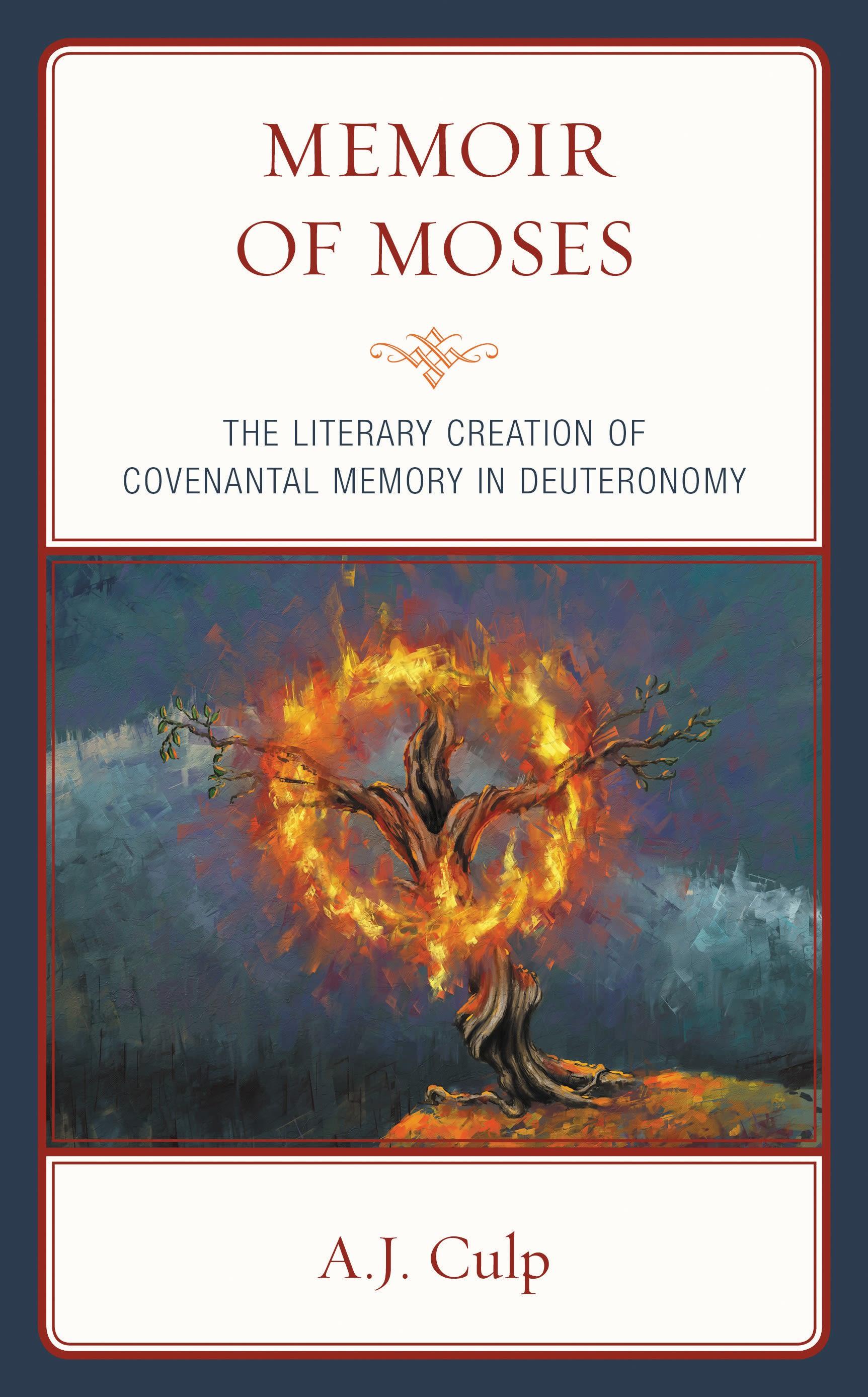
Deuteronomy characterizes memory as the key to Israel’s covenantal loyalty and commands its cultivation in the generations to come, and the book portrays itself as the foundation for this ongoing memory program. For this reason, Deuteronomy is considered to be an ancient collective memory text. However, recent scholarship has not focused on the book as a formative agent, leaving fundamental questions about the book unanswered: Why does Deuteronomy see memory as important in the first place? How does it seek to cultivate this memory in the people?
A. J. Culp answers these questions by exploring Deuteronomy as a formative memory text and bringing contemporary memory theory into dialogue with biblical scholarship.Culp shows that Deuteronomy has tailored memory to its unique theology and purposes, a fact that both illuminates puzzling aspects of the text and challenges long-held views in scholarship, such as those regarding aniconism.
A. J. Culp answers these questions by exploring Deuteronomy as a formative memory text and bringing contemporary memory theory into dialogue with biblical scholarship.Culp shows that Deuteronomy has tailored memory to its unique theology and purposes, a fact that both illuminates puzzling aspects of the text and challenges long-held views in scholarship, such as those regarding aniconism.
Pay easily by card, Klarna, Apple Pay or Google Pay. Not happy? You always have a 14-day money-back guarantee. Read more in our terms. If you have any questions, email us at hello@memmo.org.
Memmo makes studying easier – wherever you are in the world. We bring your course books and smart study tools together in one place: summaries, quizzes, podcasts and flashcards. Plus Ted, your study buddy who answers anything you wonder. Over 50,000 students already study here – built to help you learn faster and stress less.