
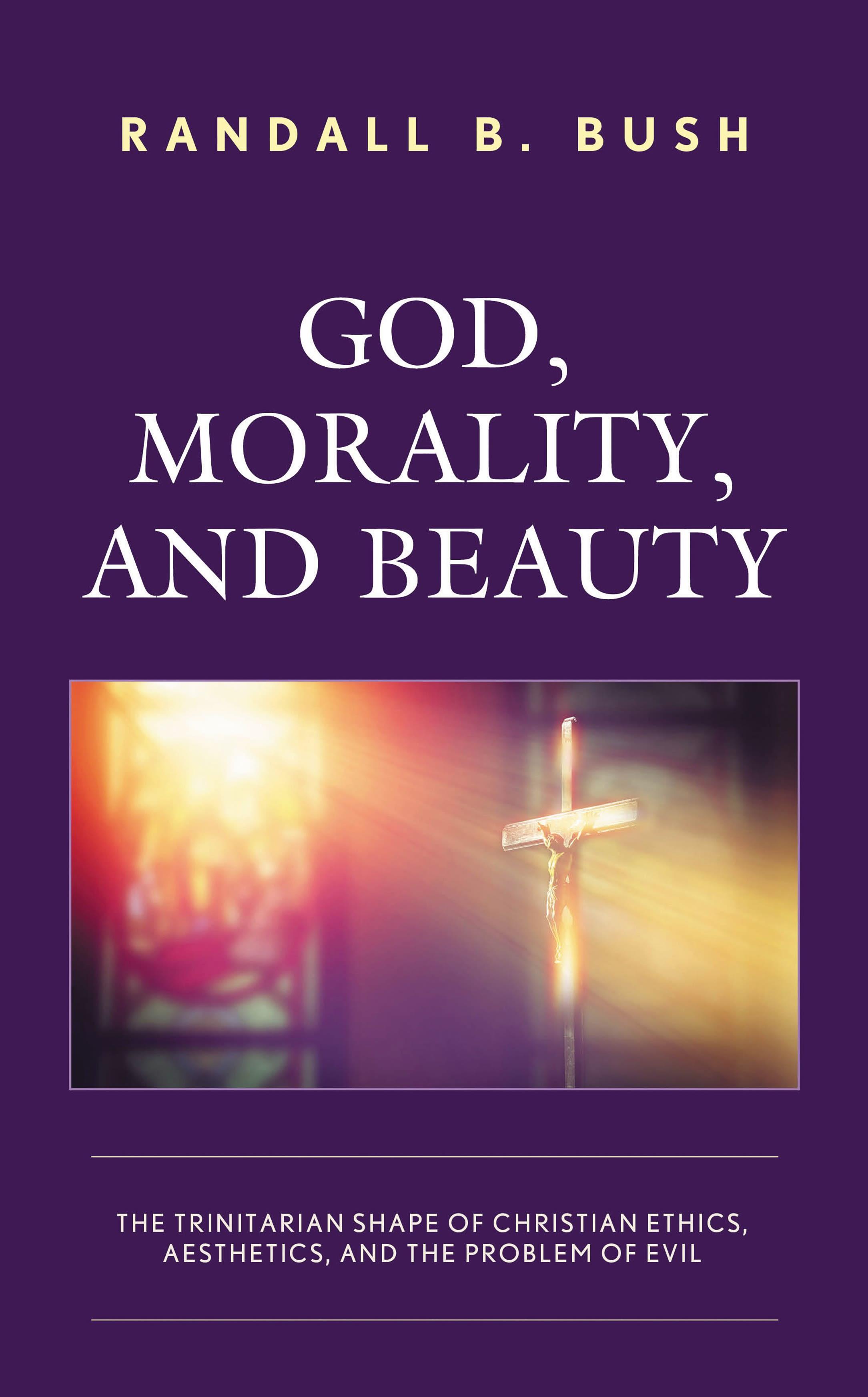
Randall B. Bush analyzes the ways unacknowledged axiological assumptions (e.g., about what is important, why human beings are valuing creatures, and where the capacity to value comes from) prejudice the perspectives and approaches of various academic disciplines, especially in the social sciences and the humanities. The disciplines of ethics and aesthetics provide the most useful tools for a philosophy of value, but academic overspecialization has compartmentalized and segregated these disciplines from others, threatening to unravel the unity of conceptions of the moral and the beautiful in human existence. Bush argues that a dialectical approach to conflicts between ethics and aesthetics can point to a broader, axiological vision––informed by a Trinitarian conception of reality––in which the whole, a coherent theory of value, is more than the sum of its parts.
Pay easily by card, Klarna, Apple Pay or Google Pay. Not happy? You always have a 14-day money-back guarantee. Read more in our terms. If you have any questions, email us at hello@memmo.org.
Memmo makes studying easier – wherever you are in the world. We bring your course books and smart study tools together in one place: summaries, quizzes, podcasts and flashcards. Plus Ted, your study buddy who answers anything you wonder. Over 50,000 students already study here – built to help you learn faster and stress less.