
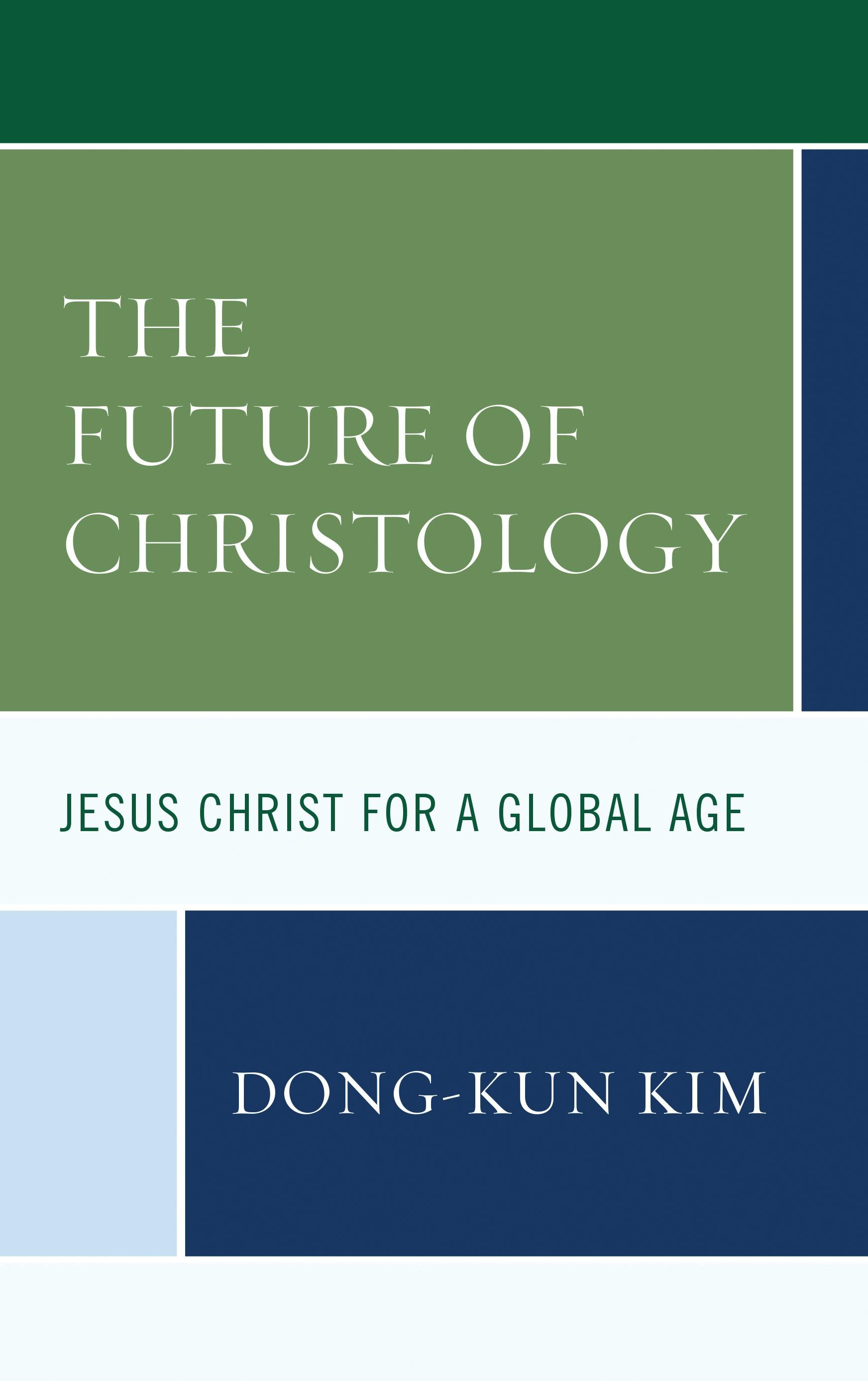
The Future of Christology addresses the questions that Christology currently faces and/or will face in the future in 12 topics. The book consists of two parts. In the first part Kim deals with five topics related to traditional Christology, while in the second part he wrestles with seven topics related to issues of Christology.
The twenty-first century is a challenging time for Christianity. Many in our age are asking what Jesus Christ means in various dimensions of history, culture, nature, and even beyond the Earth. Changes in values, worldviews, and views of the universe are forming a new zeitgeist. Dong-Kun Kim argues that ways of understanding Christ should change accordingly, for a Christology that fails to communicate meaningfully with the times is void of vitality. Postmodernism, dehistoricization and life post-ideology, multiculturalism, multiple religions, and, above all, the rapid development of the natural sciences pose a serious challenge to traditional Christology.
Who is Christ in the age of an infinite cosmos? How do daily human life, social devotion, and praxis relate to salvation? How can we discuss salvation history in an era post-history? Where does Christ stand in the public sphere? Can the Chalcedonian definition of the two natures of Christ, “true God and true human being,” encompass nature and the cosmos; would a third nature of Christ be necessary? Will the cyborg, which may appear in the near future, be the object of Christ’s salvation? If scientific determinism becomes popular in the future, will the basis of faith in Christ lose ground? If intelligent life exists in the universe, what does Christ mean to such life? This book provides innovative answers to these questions in an academic context.
The twenty-first century is a challenging time for Christianity. Many in our age are asking what Jesus Christ means in various dimensions of history, culture, nature, and even beyond the Earth. Changes in values, worldviews, and views of the universe are forming a new zeitgeist. Dong-Kun Kim argues that ways of understanding Christ should change accordingly, for a Christology that fails to communicate meaningfully with the times is void of vitality. Postmodernism, dehistoricization and life post-ideology, multiculturalism, multiple religions, and, above all, the rapid development of the natural sciences pose a serious challenge to traditional Christology.
Who is Christ in the age of an infinite cosmos? How do daily human life, social devotion, and praxis relate to salvation? How can we discuss salvation history in an era post-history? Where does Christ stand in the public sphere? Can the Chalcedonian definition of the two natures of Christ, “true God and true human being,” encompass nature and the cosmos; would a third nature of Christ be necessary? Will the cyborg, which may appear in the near future, be the object of Christ’s salvation? If scientific determinism becomes popular in the future, will the basis of faith in Christ lose ground? If intelligent life exists in the universe, what does Christ mean to such life? This book provides innovative answers to these questions in an academic context.
Pages: 296
Category: Religion & Teologi
e-ISBN: 9781978702714
Shipping weight: 1.2 kg
Ships in: 1-2 days
Pay easily by card, Klarna, Apple Pay or Google Pay. Not happy? You always have a 14-day money-back guarantee. Read more in our terms. If you have any questions, email us at hello@memmo.org.
Memmo makes studying easier – wherever you are in the world. We bring your course books and smart study tools together in one place: summaries, quizzes, podcasts and flashcards. Plus Ted, your study buddy who answers anything you wonder. Over 50,000 students already study here – built to help you learn faster and stress less.