
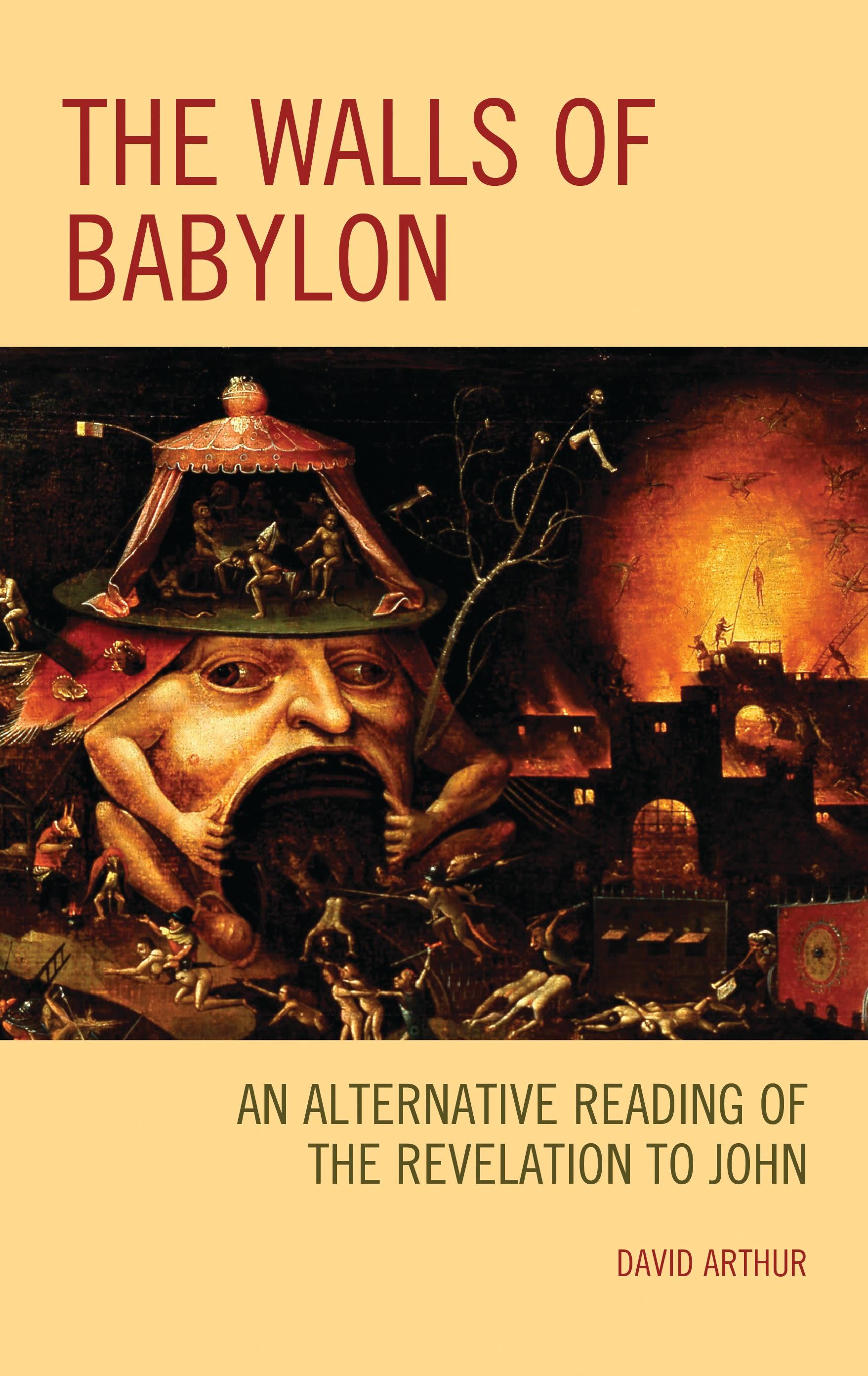
The Walls of Babylon is a radically revisionist reading of the Revelation to John, offering startling insights into the historical roots of Gnosticism, the social dynamics of early Christianity, and the shattering impact of apocalyptic eschatology. Based on a careful analysis of the text, David Arthur argues that the motivating circumstance for Revelation was provided not by external Roman oppression but by a fierce internal dispute between gnostic and proto-orthodox factions within the early church. In the ensuing controversy, John did not side with ecclesiastical officials, as might be expected, but instead took up the cause of the persecuted outcasts. Following the precedent of the classical prophets, he speaks as a champion for the downtrodden and dispossessed––represented, for him, by the gnostic heretics. The book he has left us presents a fiery symbolic rebuke of proto-orthodox Christianity, and by extension, challenges normative religious paradigms at every level of belief and praxis.
Pay easily by card, Klarna, Apple Pay or Google Pay. Not happy? You always have a 14-day money-back guarantee. Read more in our terms. If you have any questions, email us at hello@memmo.org.
Memmo makes studying easier – wherever you are in the world. We bring your course books and smart study tools together in one place: summaries, quizzes, podcasts and flashcards. Plus Ted, your study buddy who answers anything you wonder. Over 75,000 students already study here – built to help you learn faster and stress less.