
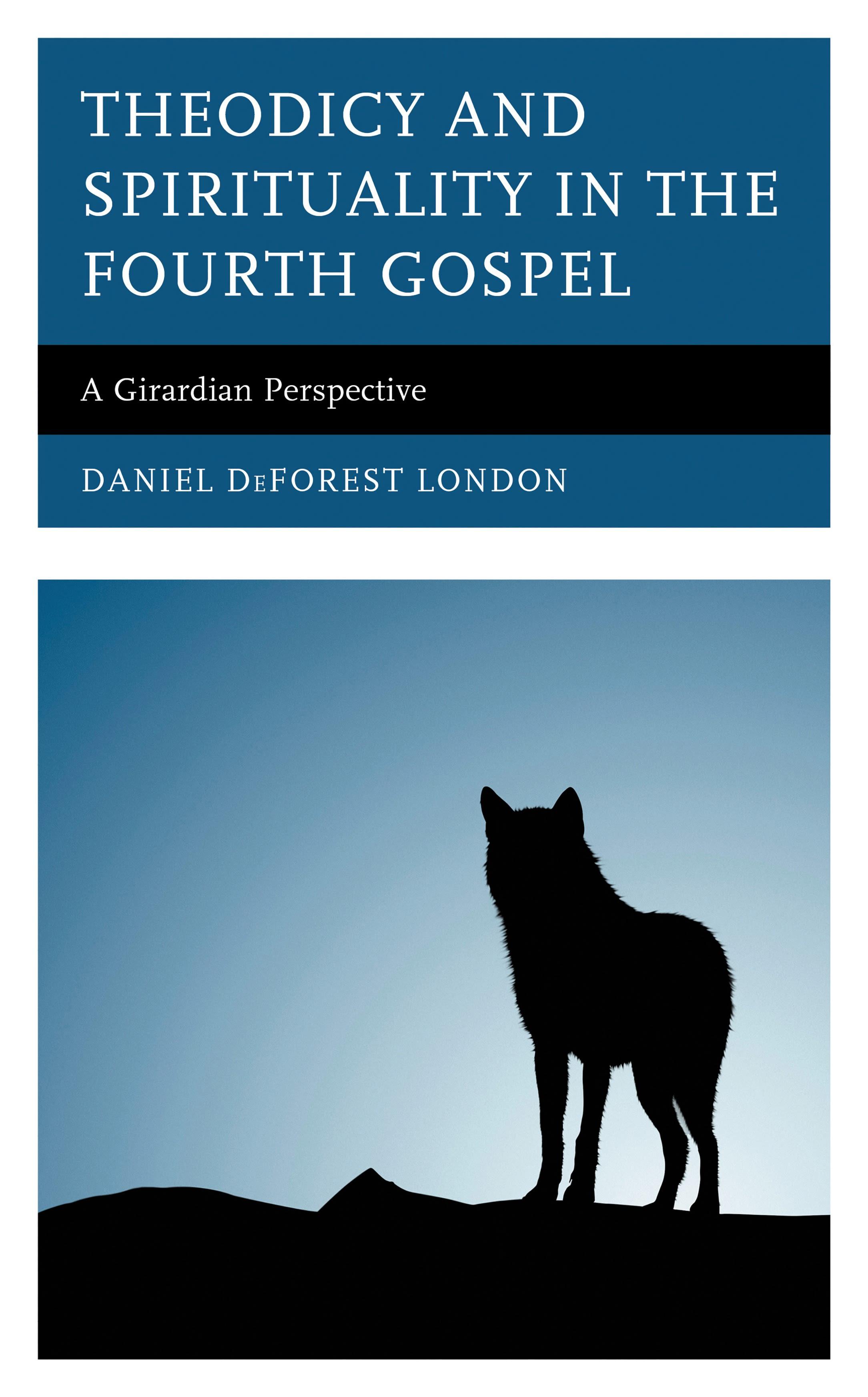
Daniel DeForest London argues that the Fourth Gospel offers a potentially transformative response to the question of suffering and the human compulsion to blame. Based on his reading of John 9 (the man born blind), London argues that the Gospel does not offer a theodicy, but rather a theodical spirituality, an experience of praying the question of suffering and remaining open to a divine response. London shows how the Johannine Jesus’s response poses three sets of symbols in dichotomy (day/night, vision/blindness, sheep/wolf), each subverted by another, core symbol (light, judge, shepherd). By interpreting these symbols in light of mimetic theory, he argues that Jesus’s response reveals the scapegoat mechanism in which an innocent victim is blamed by violent victimizers. However, rather than blaming the victimizers, Jesus continues to engage with the characters who appear to be villains: the light of the world transforms night and day into one continuous day; the Good Shepherd welcomes sheep and wolf into his beloved flock. In this way, readers are invited to bring to the Johannine Jesus their own violence, resentment, and wolfish rage regarding the question of suffering and to experience the theodical spirituality of the Fourth Gospel.
Pages: 146
Category: Religion & Teologi
e-ISBN: 9781978702417
Shipping weight: 1.2 kg
Ships in: 1-2 days
Pay easily by card, Klarna, Apple Pay or Google Pay. Not happy? You always have a 14-day money-back guarantee. Read more in our terms. If you have any questions, email us at hello@memmo.org.
Memmo makes studying easier – wherever you are in the world. We bring your course books and smart study tools together in one place: summaries, quizzes, podcasts and flashcards. Plus Ted, your study buddy who answers anything you wonder. Over 50,000 students already study here – built to help you learn faster and stress less.