
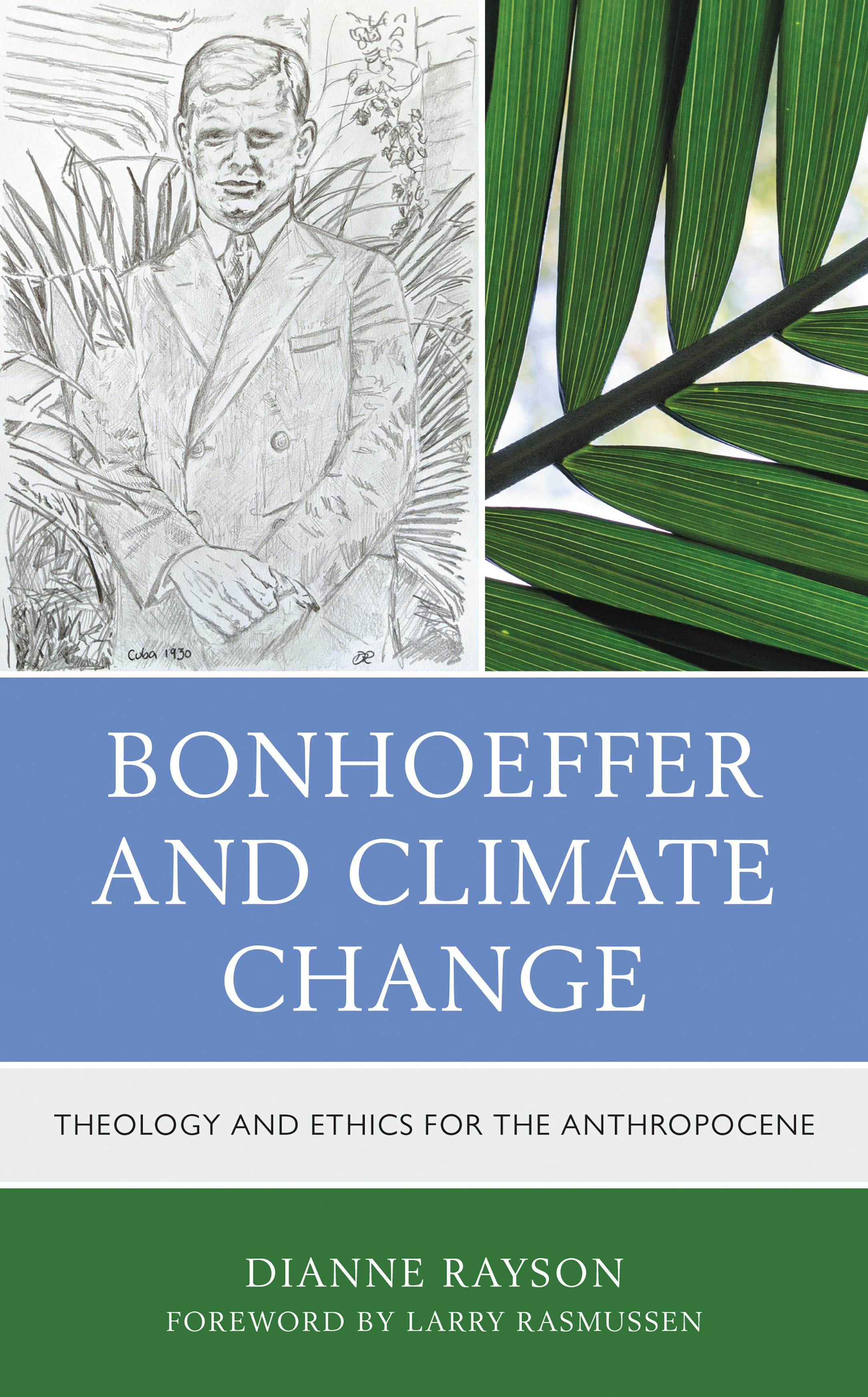
Where is the voice of theology in the public discourse around anthropogenic climate change? How do we understand the human relationship to Earth and the ecology of which we are a part? How can we account for the human attempt to dominate nature and the devastation we have caused to our own home?
Dianne Rayson addresses these questions. She uses the creation theology of Dietrich Bonhoeffer to examine what it means to be human in the post-Holocene age. Employing a range of Bonhoeffer’s texts, Rayson posits that Bonhoeffer’s Christological theology and this-worldly ethical orientation provide the tools for an Earthly Christianity. She responds to Bonhoeffer’s question, “who actually is Jesus Christ, for us, today?” and proposes a Bonhoefferian ecoethic.
Dianne Rayson addresses these questions. She uses the creation theology of Dietrich Bonhoeffer to examine what it means to be human in the post-Holocene age. Employing a range of Bonhoeffer’s texts, Rayson posits that Bonhoeffer’s Christological theology and this-worldly ethical orientation provide the tools for an Earthly Christianity. She responds to Bonhoeffer’s question, “who actually is Jesus Christ, for us, today?” and proposes a Bonhoefferian ecoethic.
Pay easily by card, Klarna, Apple Pay or Google Pay. Not happy? You always have a 14-day money-back guarantee. Read more in our terms. If you have any questions, email us at hello@memmo.org.
Memmo makes studying easier – wherever you are in the world. We bring your course books and smart study tools together in one place: summaries, quizzes, podcasts and flashcards. Plus Ted, your study buddy who answers anything you wonder. Over 50,000 students already study here – built to help you learn faster and stress less.