
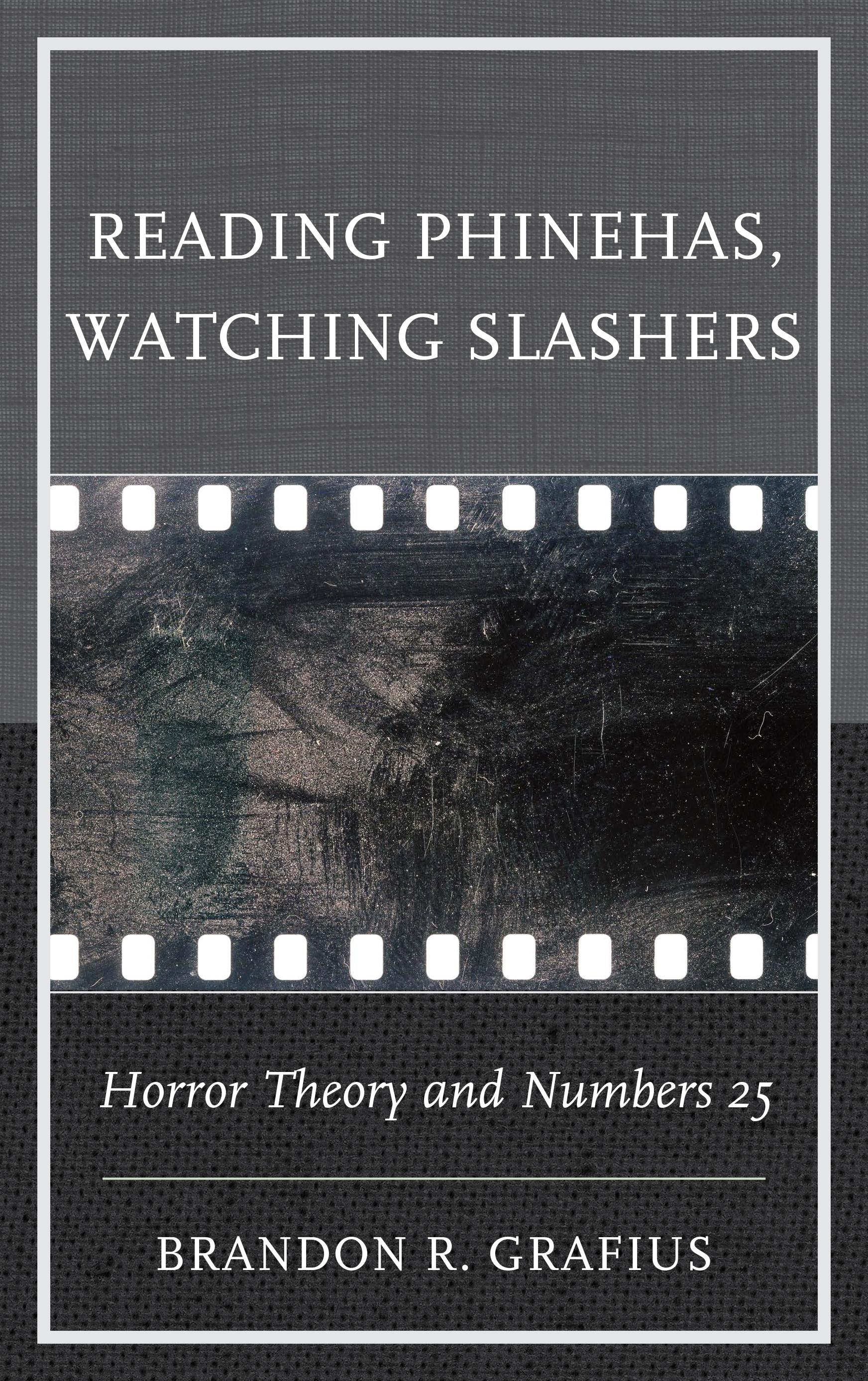
The tale of the “zeal” of Phineas, expressed when he killed an Israelite man and a Midianite woman having sex and thus stopped a “plague” of consorting with idolatrous neighbors in the Israelite camp (Numbers 25), has long attracted both interest and revulsion. Scholars have sought to defend the account, to explain it as pious fiction, or to protest its horrific violence. Brandon R. Grafius seeks to understand how the tale expresses the latent anxieties of the Israelite society that produced it, combining the insights of historical criticism with those of contemporary horror and monster theory. Grafius compares Israelite anxieties concerning ethnic boundaries and community organization with similar anxieties apparent in horror films of the 1980s, then finds confirmation for his method in the responses of Roman-period readers who reacted to the tale of Phineas as a tale of horror. The combination of methods allows Grafius to illumine the concern of an ancient priestly class to control unsettled and unsettling community boundaries??and to raise questions of implications for our own time.
Pay easily by card, Klarna, Apple Pay or Google Pay. Not happy? You always have a 14-day money-back guarantee. Read more in our terms. If you have any questions, email us at hello@memmo.org.
Memmo makes studying easier – wherever you are in the world. We bring your course books and smart study tools together in one place: summaries, quizzes, podcasts and flashcards. Plus Ted, your study buddy who answers anything you wonder. Over 50,000 students already study here – built to help you learn faster and stress less.