
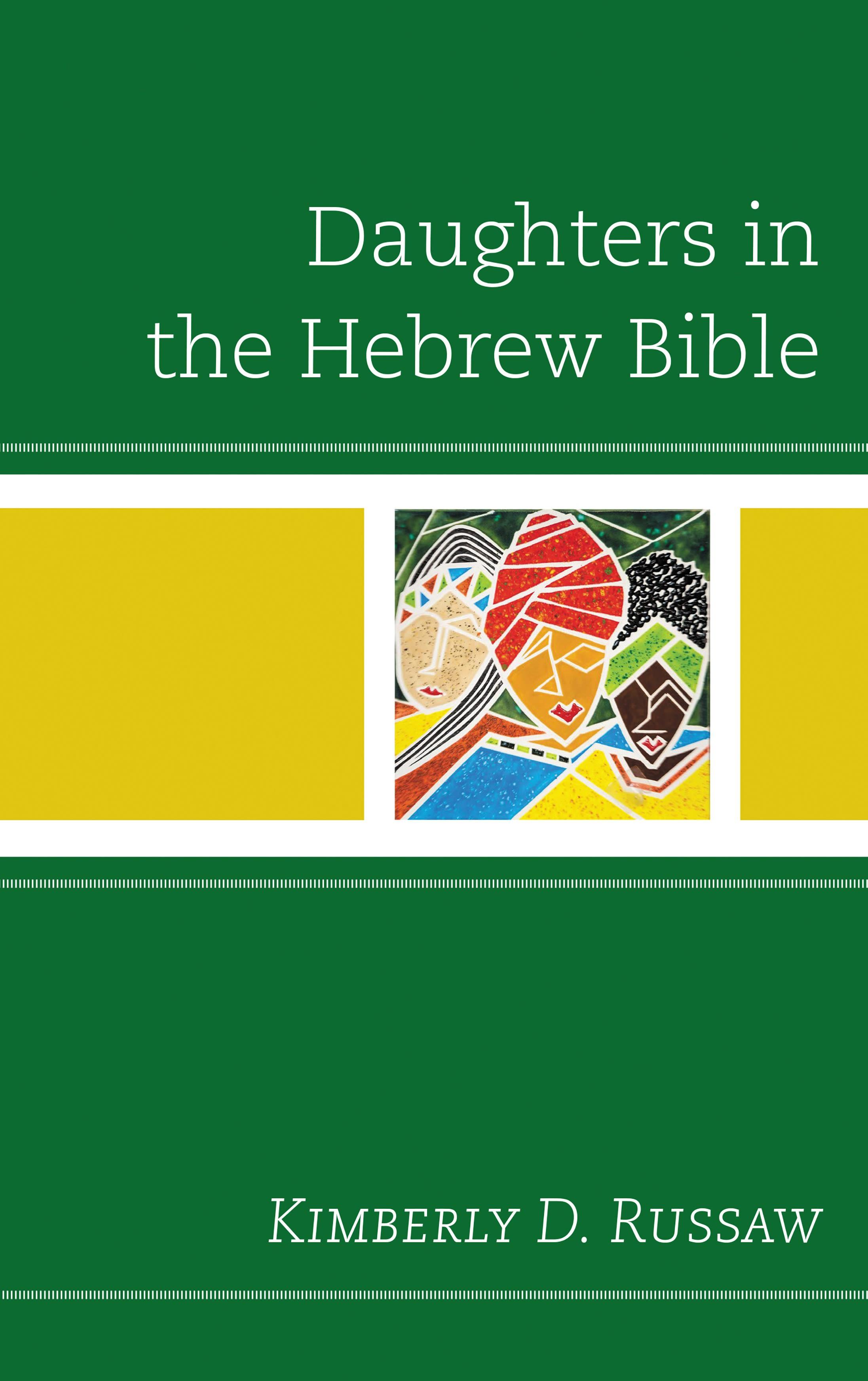
While the expectations and circumstances of women’s lives in ancient Israel have received considerable attention in recent scholarship, to date little attention has been focused on the role of daughters in Hebrew narrative??that is, of yet unmarried female members of the household, who are not yet mothers. Kimberly D. Russaw argues that daughters are more than foils for the males (fathers, brothers, etc.) in biblical narratives and that they often use particular tactics to navigate antagonistic systems of power in their worlds. Institutions and power structures favor the patriarch, sons inherit such privileges and benefits, and wives and mothers are ascribed special status because they ensure the patrilineal legacy by birthing sons; but daughters do not receive such social favor or standing. Instead of privileging daughters, systems and institutions control their bodies, restrict their access, and constrict their movement. Combining philological data, social-science models, and cross-cultural comparisons, Russaw examines the systems that constrict biblical daughters in their worlds and the strategies they employ when hostile social forces threaten their well-being.
Pages: 238
Category: Religion & Teologi
e-ISBN: 9781978700499
Shipping weight: 1.2 kg
Ships in: 1-2 days
Pay easily by card, Klarna, Apple Pay or Google Pay. Not happy? You always have a 14-day money-back guarantee. Read more in our terms. If you have any questions, email us at hello@memmo.org.
Memmo makes studying easier – wherever you are in the world. We bring your course books and smart study tools together in one place: summaries, quizzes, podcasts and flashcards. Plus Ted, your study buddy who answers anything you wonder. Over 50,000 students already study here – built to help you learn faster and stress less.