
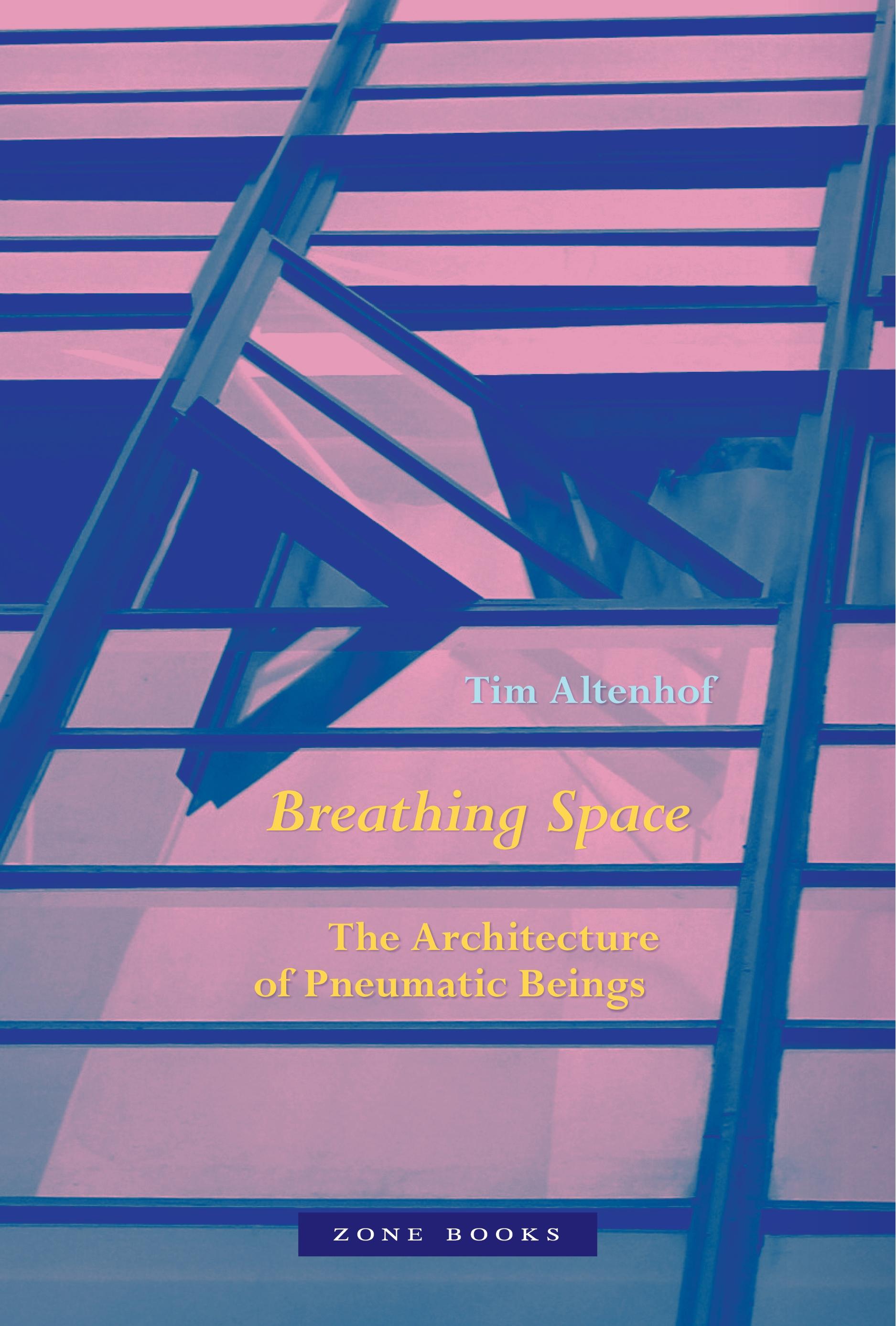
An illuminating account of how new knowledge about human respiration impacted architectural design in the early twentieth century
Breathing Space is a compelling and wide-ranging analysis of pneumatic phenomena in modern culture. Architect and historian Tim Altenhof brilliantly explores the physiology of breathing and its reciprocal relationship to bodies and buildings, both of which share a common atmosphere. Because breathing is controlled by the autonomic nervous system and cannot be willfully overridden, it takes place unconsciously and involuntarily—most of the time. However, beginning in the mid-nineteenth century, attitudes toward breathing changed significantly. Breathing became a widely investigated cultural and physiological phenomenon and was the basis for techniques and bodily practices that heightened pulmonary awareness. New understandings of air pollution and disease stimulated a widespread preoccupation with ventilation, impacting architecture in countless ways. Altenhof’s close readings of built structures show how the science of breathing was incorporated into architecture, whether in the design of factories, residences, or medical facilities. The lungs form a major part of the respiratory system and like no other organ tie the living body directly to its surroundings. Yet the role of lungs also poses a topological problem: engaging in atmospheric transfer, they dissolve the division between inside and outside, and despite being an internal organ, they sustain a permanent and living connection to the external world. This ambiguity and permeability constitute the spatial dimension of breathing.
Pay easily by card, Klarna, Apple Pay or Google Pay. Not happy? You always have a 14-day money-back guarantee. Read more in our terms. If you have any questions, email us at hello@memmo.org.
Memmo makes studying easier – wherever you are in the world. We bring your course books and smart study tools together in one place: summaries, quizzes, podcasts and flashcards. Plus Ted, your study buddy who answers anything you wonder. Over 75,000 students already study here – built to help you learn faster and stress less.