
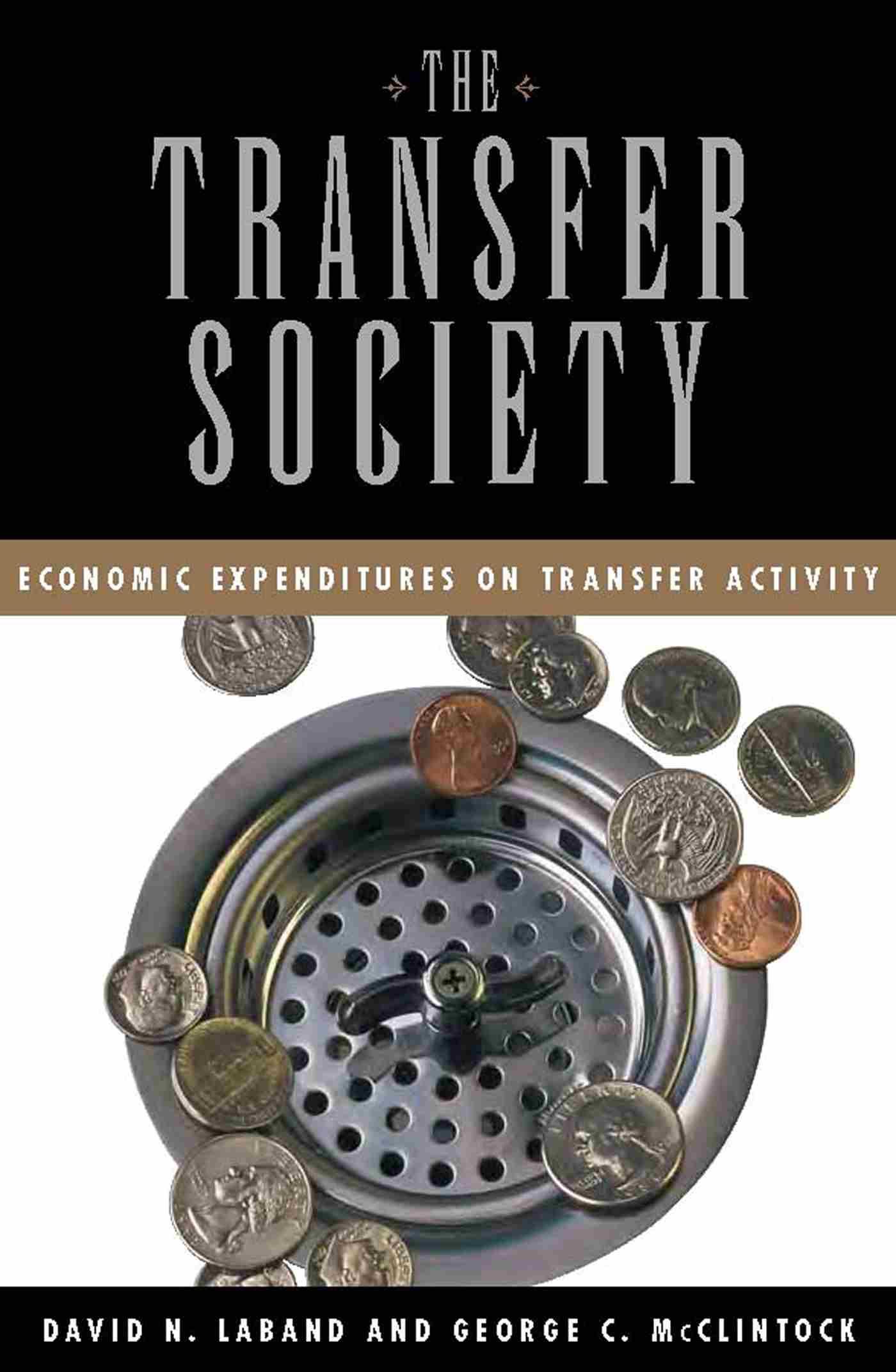
How much time, money, and other resources do Americans devote to influencing the distribution of wealth? According to David Laband and George McClintock, a conservative estimate of the total amount Americans spend on arranging or preventing forced transfers is more than $2,000 for every man, woman, and child in America. That's not a statement of the amount forcibly redistributed, but of the amount spent in effecting the forcible transfer of resources. And, as the authors show, this is a very conservative estimate of the dead-weight losses associated with the transfer society.
Through an ambitious cataloguing of different categories of expenditures on forced transfers and research into the amounts expended on each one, Laband and McClintock present a more complete picture of the effects of forced transfers than one would get from merely considering the aggregates of federal and state budgets or estimates of the amounts of wealth that change hands through the various forms of "freelance" redistribution, such as insurance fraud, theft, or extortion. After a careful examination of the measurable forms of dead-weight losses, the authors conclude by noting that the numbers they present understate the magnitude of resource expenditure on transfer activity in the United States. Moreover, the authors discuss the important question of why, relative to the huge amounts of wealth transferred by government at all levels, there is so little observable and measurable expenditure on effecting transfers.
This book both poses problems and offers solutions to important issues in economics and political science.
Pay easily by card, Klarna, Apple Pay or Google Pay. Not happy? You always have a 14-day money-back guarantee. Read more in our terms. If you have any questions, email us at hello@memmo.org.
Memmo makes studying easier – wherever you are in the world. We bring your course books and smart study tools together in one place: summaries, quizzes, podcasts and flashcards. Plus Ted, your study buddy who answers anything you wonder. Over 50,000 students already study here – built to help you learn faster and stress less.