
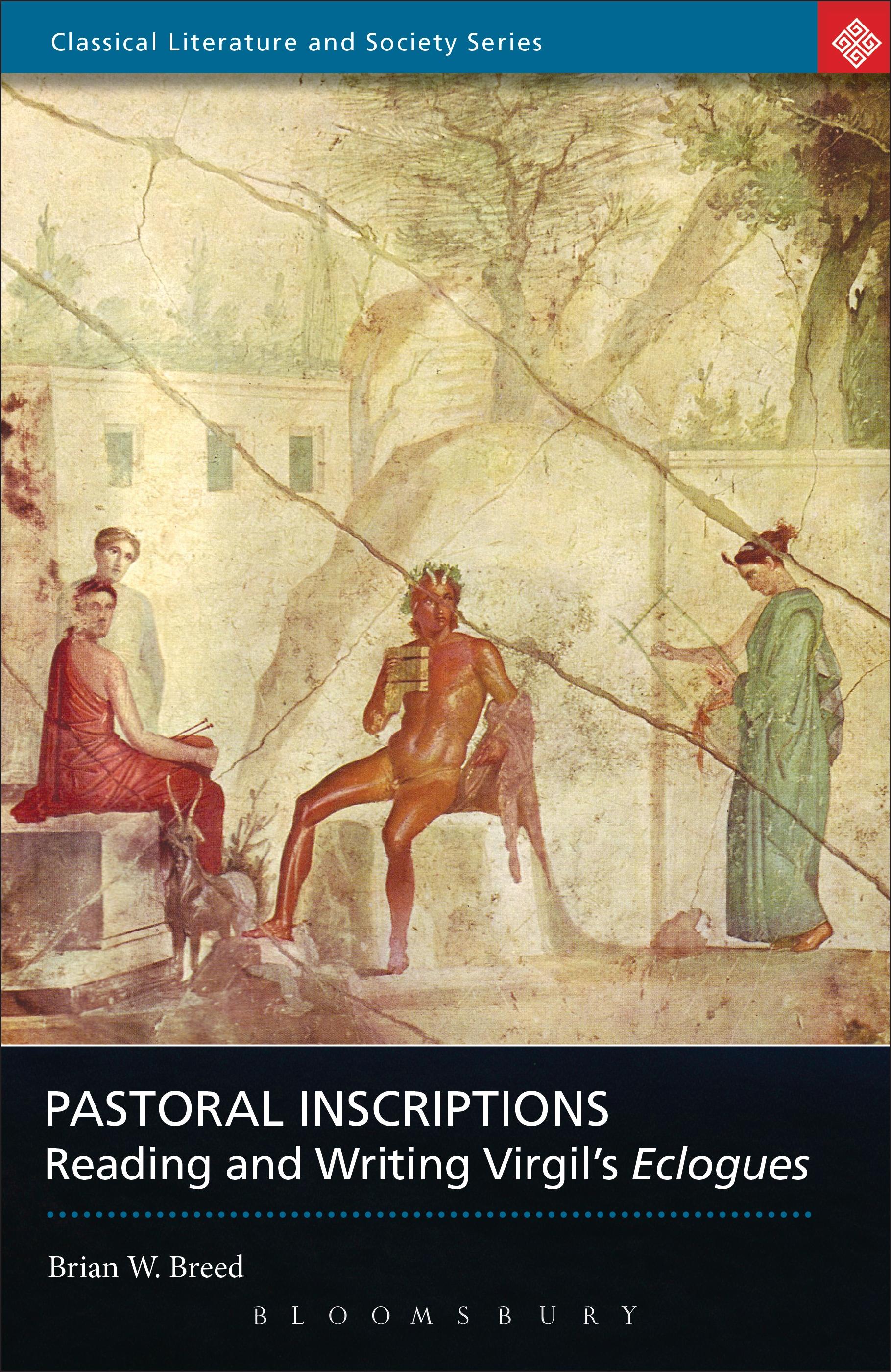
Virgil's "Eclogues" represent the introduction of a new genre, pastoral, to Latin literature. Generic markers of pastoral in the "Eclogues" include not only the representation of the singing and speaking of shepherd characters, but also the learned density of the text itself. Here, Brian W. Breed examines the tension between representations of orality in Virgil's pastoral world and the intense textuality of his pastoral poetry. The book argues that separation between speakers and their language in the "Eclogues" is not merely pastoral preciosity. Rather, it shows how Virgil uses representations of orality as the point of comparison for measuring both the capacity and the limitations of the "Eclogues" as a written text that will be encountered by reading audiences. The importance of genre is considered both in terms of how pastoral might be defined for the particular literary-historical moment in which Virgil was writing and in light of the subsequent European pastoral tradition.
Pay easily by card, Klarna, Apple Pay or Google Pay. Not happy? You always have a 14-day money-back guarantee. Read more in our terms. If you have any questions, email us at hello@memmo.org.
Memmo makes studying easier – wherever you are in the world. We bring your course books and smart study tools together in one place: summaries, quizzes, podcasts and flashcards. Plus Ted, your study buddy who answers anything you wonder. Over 75,000 students already study here – built to help you learn faster and stress less.