
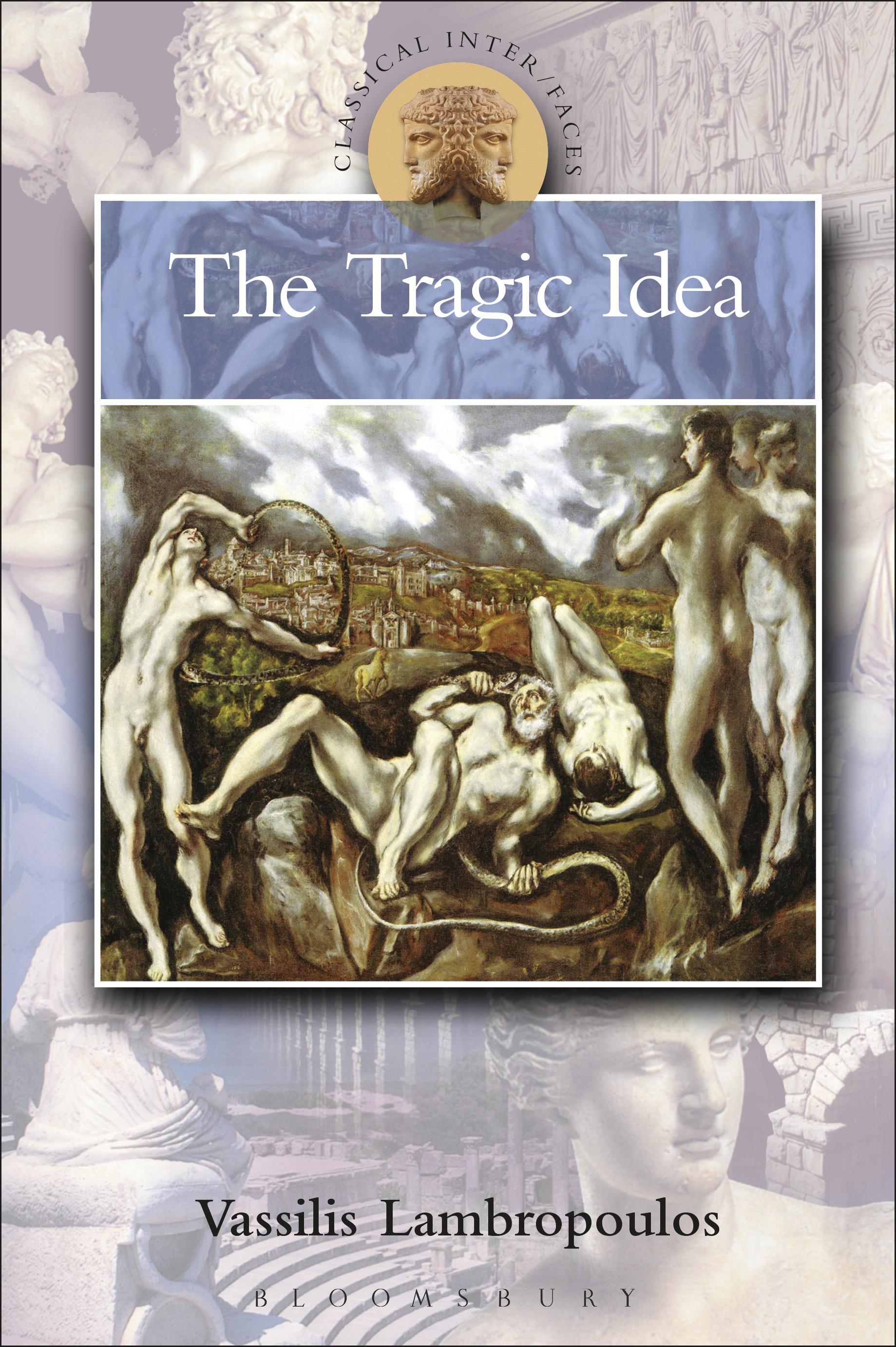
This radical series shows how Classical ideas and material have helped to shape the modern world. The interdisciplinary approach makes stimulating reading for all who welcome the challenge offered by new perspectives on Classical culture. Today we attribute a tragic quality to many things - works, experiences, values, events - but we forget how modern this idea is. This book traces the rise of the tragic idea from early Romanticism to late Modernism. Focusing on succinct, major statements, it maps one of the most absorbing philosophical conversations in modernity: the debate about the tragic meaning of life. This conversation has crossed geographical, linguistic, ideological and religious borders to bring thinkers together in an inquiry into the inner contradictions of liberty. While originally the tragic idea stood for the conflict of freedom and necessity, it gradually absorbed other irreconcilable dialectical collisions. It turned tragedy from a genre into a problem for ethics, aesthetics, criticism, classics, politics, anthropology and psychology, to name but a few.Scholars in these fields today will be fascinated to find human responsibility caught in the tragic web of modern dilemmas. Classicists in particular will be intrigued by the story of how, over the last two centuries, tragedy has acquired a second, parallel life away from the stage.
Pay easily by card, Klarna, Apple Pay or Google Pay. Not happy? You always have a 14-day money-back guarantee. Read more in our terms. If you have any questions, email us at hello@memmo.org.
Memmo makes studying easier – wherever you are in the world. We bring your course books and smart study tools together in one place: summaries, quizzes, podcasts and flashcards. Plus Ted, your study buddy who answers anything you wonder. Over 75,000 students already study here – built to help you learn faster and stress less.