
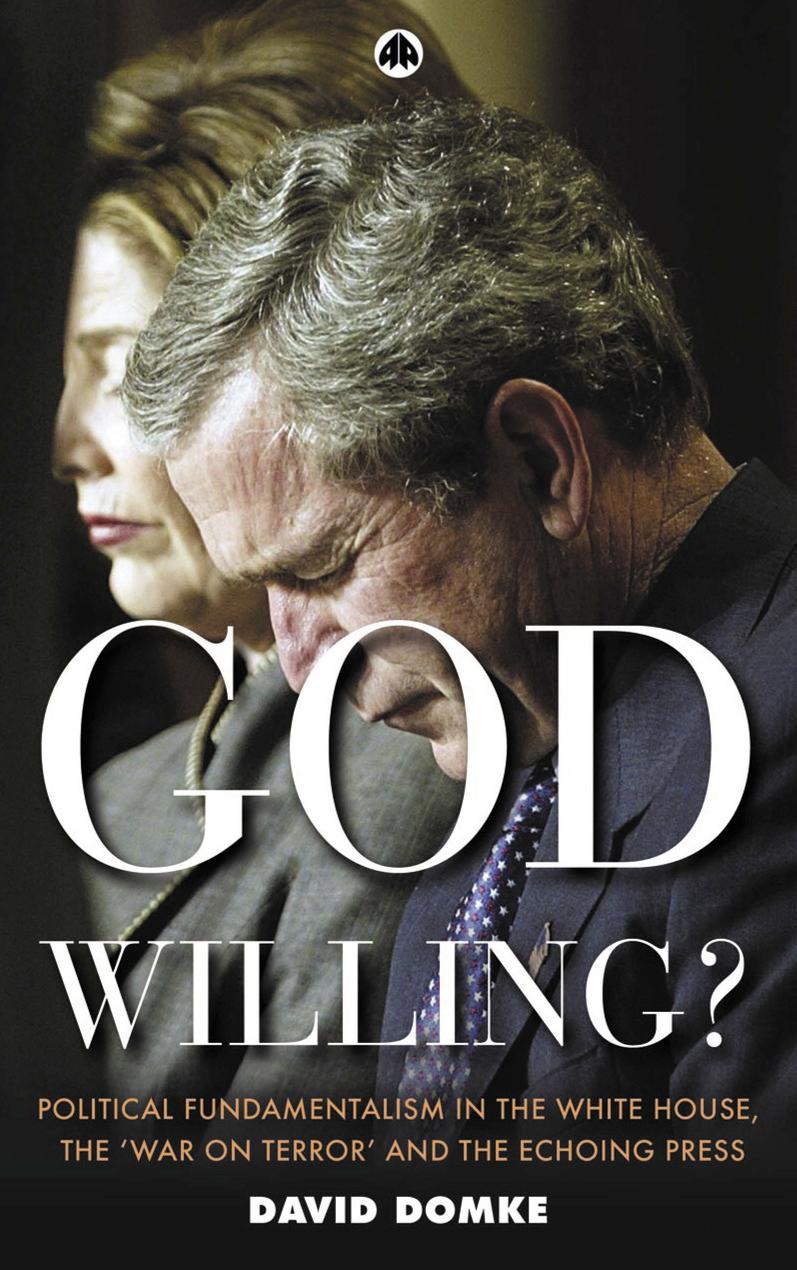
The political fundamentalism, offered up by the Bush administration after 9/11, capitalised upon the fear felt by many Americans. In essence, it is a conservative-religious ideology, but via strategic communication choices, it was transformed into a policy agenda that feels political rather than religious. These communications dominated public discourse and public opinion for months on end and came at a significant cost for democracy.
The administration had help spreading its messages. The mainstream press consistently echoed the administration's communications - thereby disseminating, reinforcing and embedding the administration's fundamentalist worldview and helping to keep at bay Congress and any substantive public questioning.
This book analyzes hundreds of administration communications and news stories from September 2001 to Iraq in spring 2003 to examine how this occurred and what it means for U.S. politics and the global landscape.
The administration had help spreading its messages. The mainstream press consistently echoed the administration's communications - thereby disseminating, reinforcing and embedding the administration's fundamentalist worldview and helping to keep at bay Congress and any substantive public questioning.
This book analyzes hundreds of administration communications and news stories from September 2001 to Iraq in spring 2003 to examine how this occurred and what it means for U.S. politics and the global landscape.
Pay easily by card, Klarna, Apple Pay or Google Pay. Not happy? You always have a 14-day money-back guarantee. Read more in our terms. If you have any questions, email us at hello@memmo.org.
Memmo makes studying easier – wherever you are in the world. We bring your course books and smart study tools together in one place: summaries, quizzes, podcasts and flashcards. Plus Ted, your study buddy who answers anything you wonder. Over 75,000 students already study here – built to help you learn faster and stress less.
You might also like
Buy the book0