
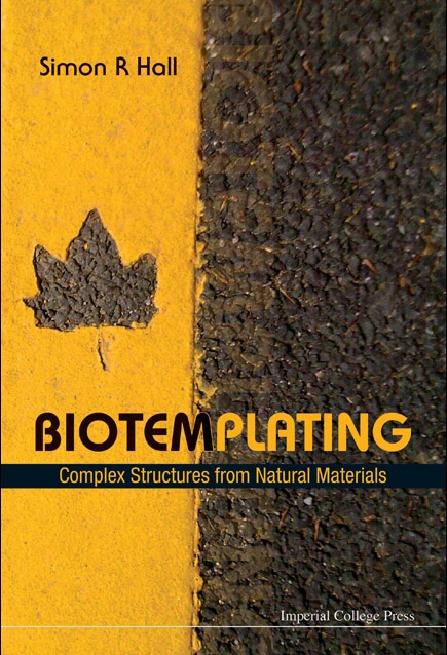
In terms of structural complexity, the natural world presents innumerable examples of stunning beauty and high functionality, usually with the minimum of material and energy expenditure. Materials chemists can harness these amazing structures as ready-made scaffolds on which to grow inorganic phases which replicate the underlying complexity, thereby producing materials with greatly enhanced physical properties. This book comprehensively describes the entire range of natural materials that have been used in this way and the inorganic phases which result from them. The book covers simple molecules such as cellulose and chitin, to large biological constructs such as bacterial proteins, viruses and pollen. Practically every inorganic material has been synthesized using biotemplating methods and the book reflects this, ranging from simple oxides and carbonates such as silica and calcite, to complex semi- and superconducting materials. The book also discusses the formation of these materials from a mechanistic point of view, thereby enabling the reader to better understand the processes involved in biotemplated mineralization.
Pay easily by card, Klarna, Apple Pay or Google Pay. Not happy? You always have a 14-day money-back guarantee. Read more in our terms. If you have any questions, email us at hello@memmo.org.
Memmo makes studying easier – wherever you are in the world. We bring your course books and smart study tools together in one place: summaries, quizzes, podcasts and flashcards. Plus Ted, your study buddy who answers anything you wonder. Over 75,000 students already study here – built to help you learn faster and stress less.
You might also like
Buy the book0