
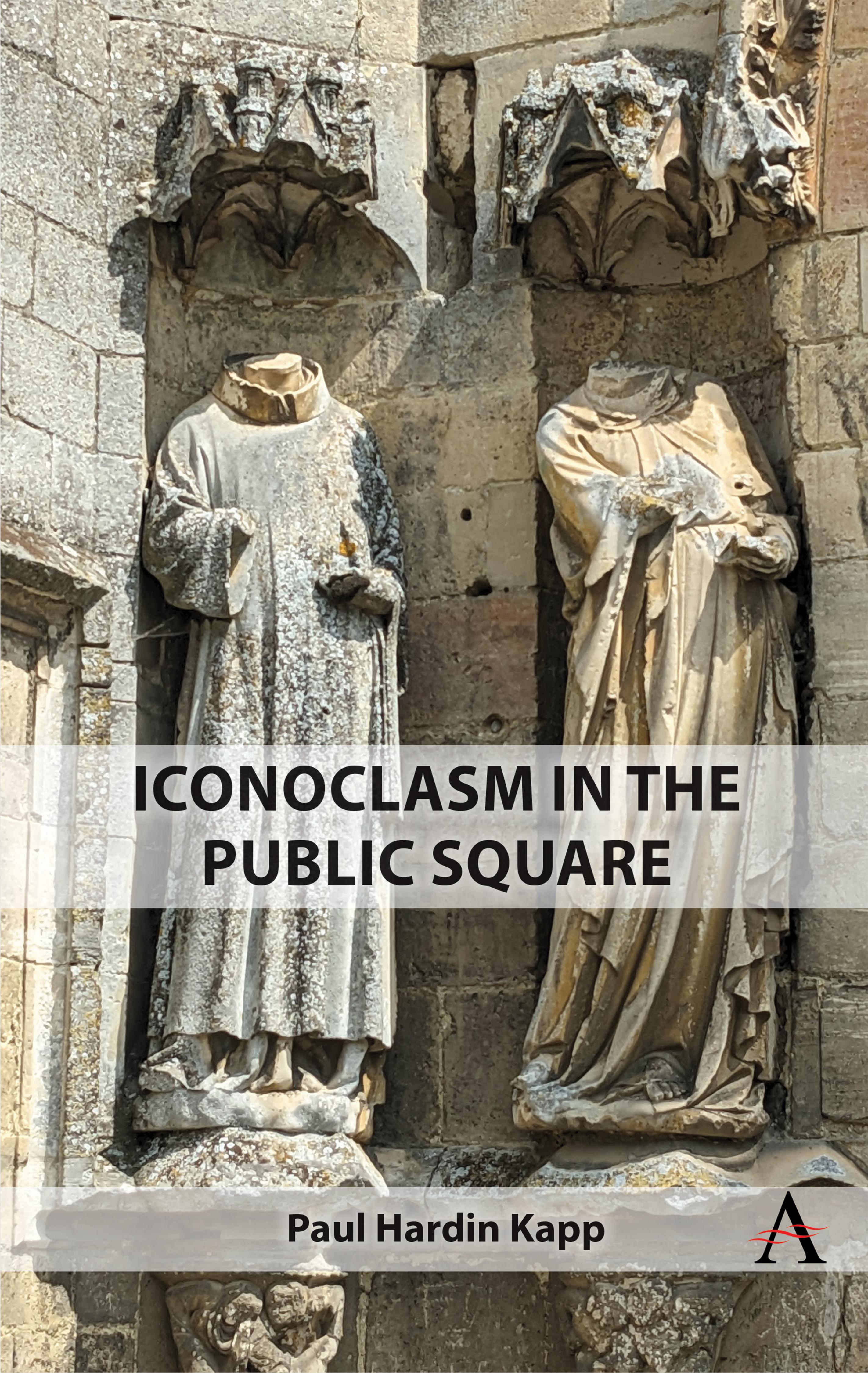
For historic preservationists and conservationists, iconoclasm is now the most consequential issue in the field and will continue to be a matter of contention for the foreseeable future. Motives for enacting iconoclasm can be justified, but what are the consequences for doing so, and how, in turn, will this determine the future of our public spaces in towns and cities? More fundamentally, is the current period of iconoclasm leading us to reconsider the public square as part of the built environment? This book will be the first theory-informed work to examine the discordance among the public over controversial historic monuments in the historic landscape and how it should be addressed. It challenges architects, landscape architects, conservationists, preservationists, elected officials, and the public to reconsider the public square and whether or not civic art that memorializes is still relevant or a practice that can be reimagined. It also considers the after-effects of iconoclasm acts: How should we redesign public civic spaces after we have either destroyed or removed historic monuments? As societal values change in regard to public memorialization, how will heritage practitioners, conservationist technicians, and urban designers grapple with working in the civic realm, which may be considered antiquated but continues to exist in our cities?
Pay easily by card, Klarna, Apple Pay or Google Pay. Not happy? You always have a 14-day money-back guarantee. Read more in our terms. If you have any questions, email us at hello@memmo.org.
Memmo makes studying easier – wherever you are in the world. We bring your course books and smart study tools together in one place: summaries, quizzes, podcasts and flashcards. Plus Ted, your study buddy who answers anything you wonder. Over 75,000 students already study here – built to help you learn faster and stress less.