
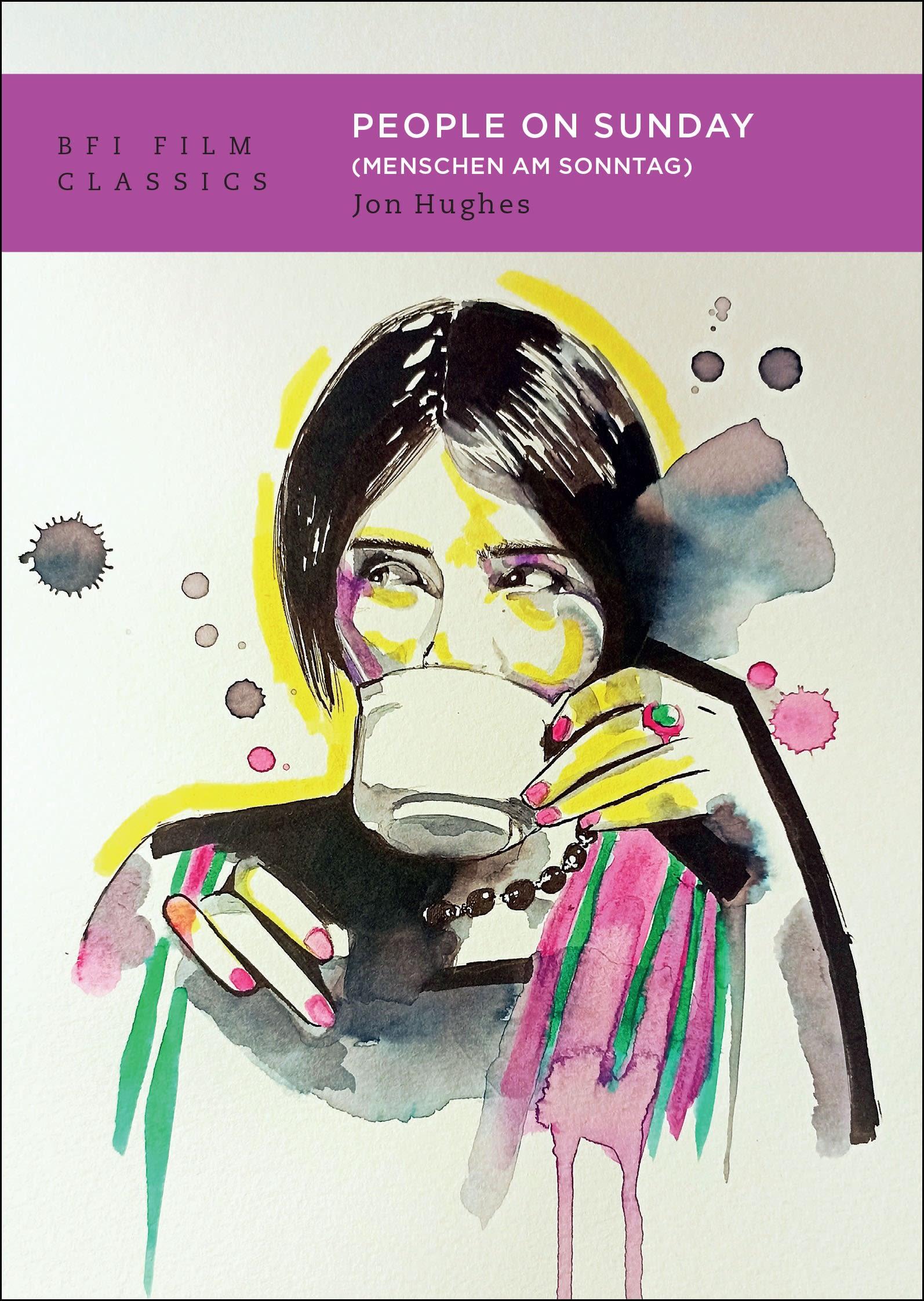
Directed by Robert Siodmak and Edgar G. Ulmer, and with a script by Billy Wilder, People on Sunday (Menschen am Sonntag) (1930) is now widely recognised as a landmark of Weimar cinema, which influenced Italian Neorealism and the New Wave cinemas of the 1960s, and set the template for 'indie' filmmaking as we now know it. This is the first study in English of this multi-faceted film, which not only launched the careers of renowned filmmakers, but which continues to influence contemporary culture, with references to it in popular television (Babylon Berlin), a playful remake, and a new score by experimental pop group Múm. Jon Hughes' study places the film in its historical context – Berlin in the Weimar Republic – and untangles the fascinating story of the making of People on Sunday, drawing on new archival research to challenge some of the misconceptions that surround it. Hughes provides fresh interpretations of the film's depiction of space and its play with contemporary gender and sexual politics, and situates it within both Weimar cinema and the later output of the filmmakers.
Pay easily by card, Klarna, Apple Pay or Google Pay. Not happy? You always have a 14-day money-back guarantee. Read more in our terms. If you have any questions, email us at hello@memmo.org.
Memmo makes studying easier – wherever you are in the world. We bring your course books and smart study tools together in one place: summaries, quizzes, podcasts and flashcards. Plus Ted, your study buddy who answers anything you wonder. Over 50,000 students already study here – built to help you learn faster and stress less.