
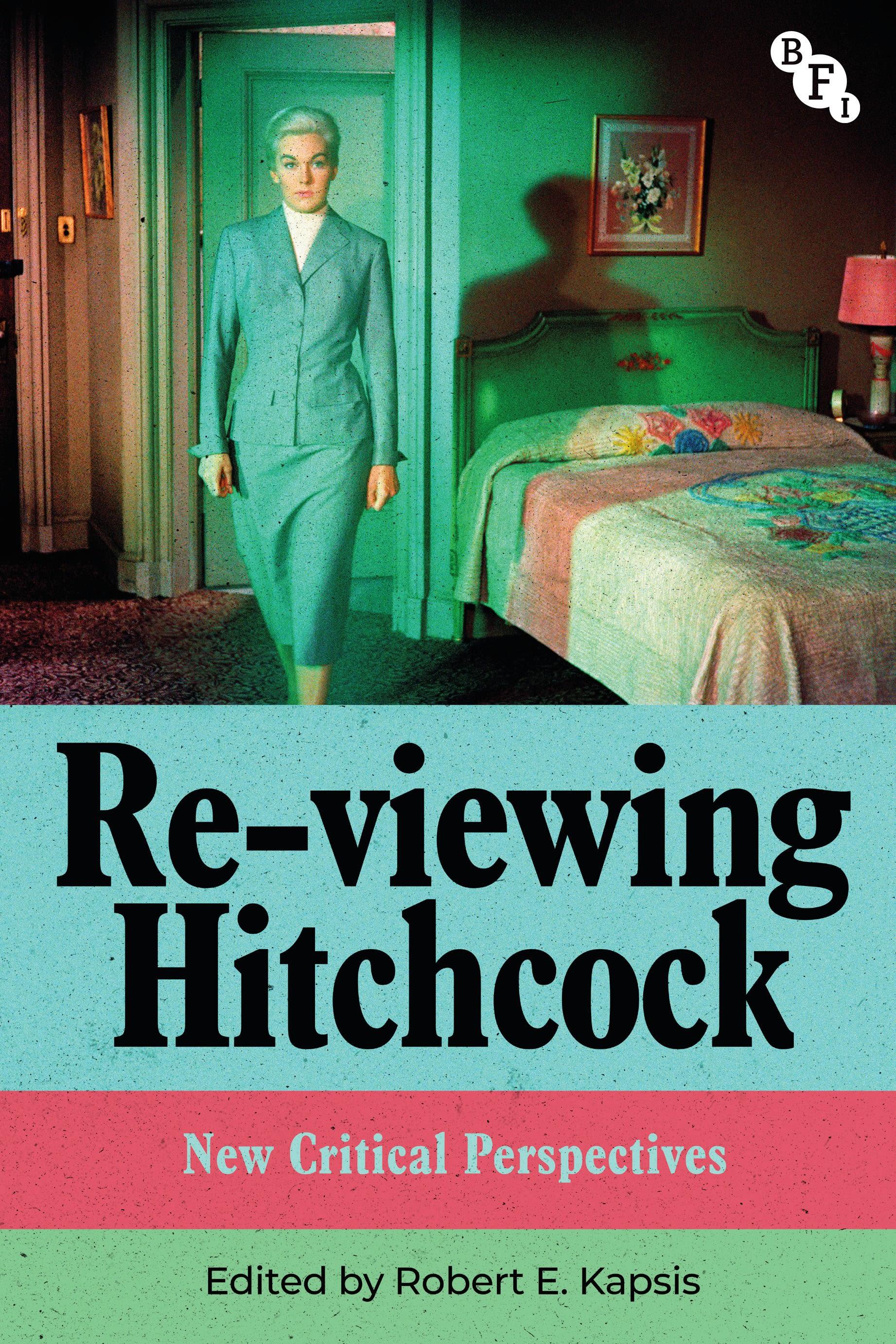
Re-viewing Hitchcock approaches Alfred Hitchcock's prolific career in film and television from a reception focus, charting the changing fortunes of the master auteur's work from 1926's silent The Lodger to his penultimate film, the controversial Frenzy of 1972.
Each of the chapters, written by eminent international film scholars, critics and historians, offers a detailed analyses of the historical reception of key Hitchcock films. These include films that have enjoyed consistent critical success, such as Rebecca (1940), Rear Window (1954), and North by Northwest (1959), as well as those that have received shifting degrees of critical and scholarly praise, such as Sabotage (1936), Rope (1949), Strangers on a Train (1951), Vertigo (1958), Psycho (1960), and The Birds (1963). The contributors assess the significance of these changing critical perspectives and the extent to which they influence the meaning and significance of Hitchcock's films and filmmaking.
The book also sheds light on Hitchcock's lesser-known television work of the 1950s and the 60s, reassessing its relationship to his film career. In addition, it expands the focus beyond Anglo-American contexts to consider how Hitchcock's films have been received and interpreted in Europe, Latin America, and Asia.
Each of the chapters, written by eminent international film scholars, critics and historians, offers a detailed analyses of the historical reception of key Hitchcock films. These include films that have enjoyed consistent critical success, such as Rebecca (1940), Rear Window (1954), and North by Northwest (1959), as well as those that have received shifting degrees of critical and scholarly praise, such as Sabotage (1936), Rope (1949), Strangers on a Train (1951), Vertigo (1958), Psycho (1960), and The Birds (1963). The contributors assess the significance of these changing critical perspectives and the extent to which they influence the meaning and significance of Hitchcock's films and filmmaking.
The book also sheds light on Hitchcock's lesser-known television work of the 1950s and the 60s, reassessing its relationship to his film career. In addition, it expands the focus beyond Anglo-American contexts to consider how Hitchcock's films have been received and interpreted in Europe, Latin America, and Asia.
Pay easily by card, Klarna, Apple Pay or Google Pay. Not happy? You always have a 14-day money-back guarantee. Read more in our terms. If you have any questions, email us at hello@memmo.org.
Memmo makes studying easier – wherever you are in the world. We bring your course books and smart study tools together in one place: summaries, quizzes, podcasts and flashcards. Plus Ted, your study buddy who answers anything you wonder. Over 50,000 students already study here – built to help you learn faster and stress less.