
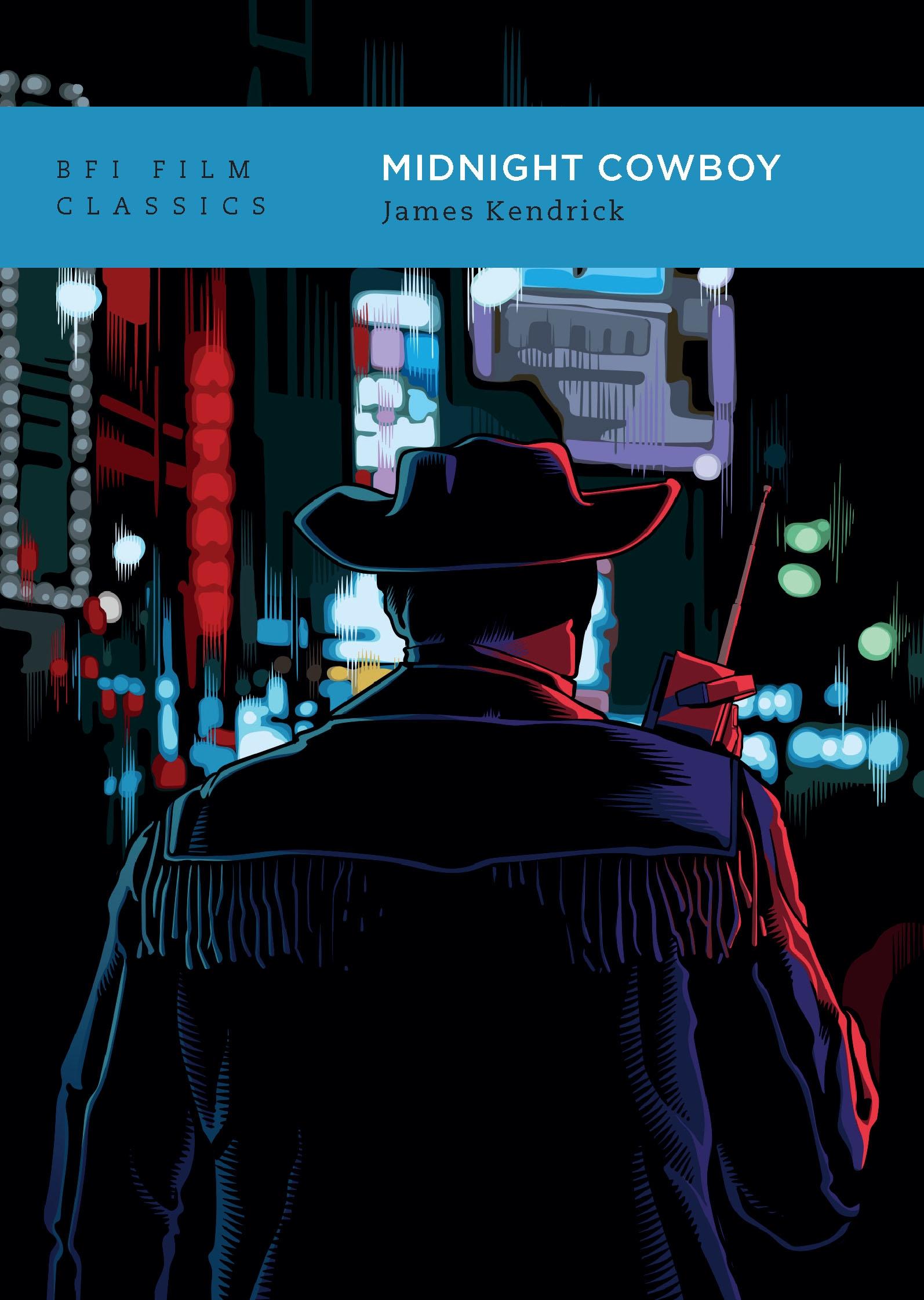
John Schlesinger's 1969 drama, Midnight Cowboy, follows the story of naïve would-be hustler Joe Buck (Jon Voight) and ailing con man Ratso Rizzo (Dustin Hoffman), set against the gritty backdrop of New York City in the late 1960s. The film received widespread critical acclaim upon its release, becoming the only X-rated film to the win the Academy Award for Best Picture.
James Kendrick argues that this film, more so than its notable contemporaries, captures the immense turmoil, change and revolution that was taking place both in Hollywood and in the larger American culture of the late 1960s. He explores the film's production, reception, visual and thematic innovation, and cultural impact-not only its ground-breaking portrayal of sexuality and relationships, but also its exploration of themes of urban loneliness and socio-economic disparity.
Through close analysis of the film and examination of articles, press reports, interviews and reviews from the five decades following its release, Kendrick shows how Midnight Cowboy, with its mix of visual poetry, documentary-like realism, fragmentary flashbacks, and unvarnished depiction of desperate characters on the fringes of society, offers a unique focal point for the intersection of European art cinema and the new parameters of mainstream Hollywood at the end of the classic era.
James Kendrick argues that this film, more so than its notable contemporaries, captures the immense turmoil, change and revolution that was taking place both in Hollywood and in the larger American culture of the late 1960s. He explores the film's production, reception, visual and thematic innovation, and cultural impact-not only its ground-breaking portrayal of sexuality and relationships, but also its exploration of themes of urban loneliness and socio-economic disparity.
Through close analysis of the film and examination of articles, press reports, interviews and reviews from the five decades following its release, Kendrick shows how Midnight Cowboy, with its mix of visual poetry, documentary-like realism, fragmentary flashbacks, and unvarnished depiction of desperate characters on the fringes of society, offers a unique focal point for the intersection of European art cinema and the new parameters of mainstream Hollywood at the end of the classic era.
Pay easily by card, Klarna, Apple Pay or Google Pay. Not happy? You always have a 14-day money-back guarantee. Read more in our terms. If you have any questions, email us at hello@memmo.org.
Memmo makes studying easier – wherever you are in the world. We bring your course books and smart study tools together in one place: summaries, quizzes, podcasts and flashcards. Plus Ted, your study buddy who answers anything you wonder. Over 50,000 students already study here – built to help you learn faster and stress less.